
Hantavirus Risk: What Travelers Need to Know Now

Understand hantavirus exposure risks after potential contamination incident. Learn symptoms, transmission, and what health experts recommend for travelers.
A concerning situation has unfolded as several airline passengers who may have been exposed to hantavirus have already traveled to multiple countries across the globe. This development has raised significant questions among health officials and the traveling public about the potential for international spread of this serious respiratory illness. The incident highlights the interconnected nature of modern travel and the speed at which potential health threats can disseminate across borders.
Hantavirus is a rare but potentially life-threatening infection caused by contact with infected rodents or their droppings, urine, or saliva. The virus primarily spreads through inhalation of aerosolized particles from contaminated rodent excrement, making enclosed spaces like airplane cabins a subject of concern for epidemiologists. While the risk of transmission between passengers is generally considered low, the fact that potentially exposed individuals have already boarded international flights underscores the importance of understanding this virus and its transmission patterns.
The initial exposure likely occurred in a confined space before the affected passengers boarded their flights. Investigations into the source of the exposure are ongoing, with health authorities working to identify exactly where and how the contamination occurred. This type of investigation is crucial for understanding whether additional individuals may have been exposed and for implementing appropriate preventive measures to limit further spread.
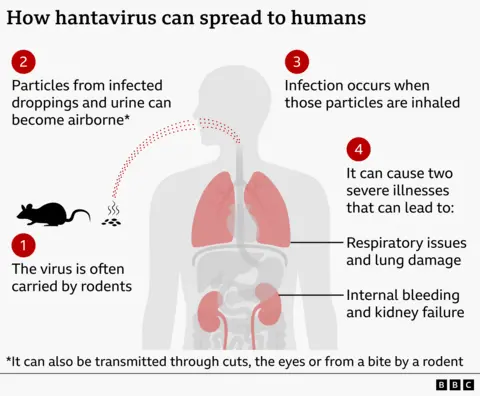
Understanding hantavirus symptoms is essential for both healthcare providers and the general public. Early symptoms typically include fever, muscle aches, headache, and fatigue, which can appear between one to eight weeks after exposure. As the illness progresses, infected individuals may experience more severe symptoms including coughing, shortness of breath, and potential respiratory distress. In some cases, hantavirus can develop into hantavirus pulmonary syndrome, a serious condition with mortality rates ranging from 30 to 40 percent in confirmed cases.
The transmission methods for hantavirus are well-documented by infectious disease experts. The virus is primarily transmitted when humans inhale dust contaminated with infected rodent saliva, urine, or feces. Direct contact with infected rodents, though less common as a transmission route, can also lead to infection. Person-to-person transmission is extremely rare and has only been documented in specific circumstances, meaning the risk to fellow airline passengers is considerably lower than the risk to individuals who directly handle contaminated materials.
For airline passengers who believe they may have been exposed, health authorities recommend monitoring themselves for symptoms over the coming weeks. This period of vigilance is crucial because early detection and medical intervention can significantly improve health outcomes. Travelers should maintain awareness of their health status and seek immediate medical attention if they develop any symptoms consistent with hantavirus infection, particularly if they recall potential exposure to rodent droppings or contaminated materials.

Healthcare providers worldwide have been notified about the potential exposure incident and are being advised to maintain heightened awareness for patients presenting with compatible symptoms and recent travel history. This proactive notification system helps ensure that medical professionals can quickly identify and treat potential cases, which is vital given that early intervention can make a substantial difference in patient outcomes. Hospitals and urgent care facilities are being instructed to take appropriate infection control precautions when treating suspected hantavirus patients.
The broader context of infectious disease travel risks has become increasingly important in our interconnected world. Rapid international travel means that diseases detected in one region can potentially reach others within the span of a few hours. This reality has prompted international health organizations to strengthen their disease surveillance and response systems. The hantavirus incident serves as a reminder that pandemic preparedness and disease monitoring must remain priorities for public health agencies globally.
Preventive measures against hantavirus primarily focus on avoiding exposure to infected rodents and their contamination. In homes and workplaces, this means sealing cracks and holes, storing food in rodent-proof containers, and using appropriate protective equipment when cleaning areas where rodent activity is suspected. For travelers and the general public, awareness about the sources of infection and recognition of symptoms are the most practical tools for hantavirus prevention.
The incident also raises questions about contamination protocols in public spaces and transportation venues. Airlines and airport authorities may need to review their cleaning and disinfection procedures to ensure they adequately address potential rodent contamination issues. While airlines maintain rigorous cleaning standards, this event provides an opportunity to evaluate whether additional measures might be necessary, particularly in areas where rodent activity could occur, such as cargo holds and storage areas.
International health organizations, including the World Health Organization and the Centers for Disease Control and Prevention, are actively monitoring the situation. These agencies coordinate with national health authorities in the countries where potentially exposed passengers have traveled to ensure appropriate surveillance and response measures are in place. This international cooperation is essential for containing any potential spread and for gathering epidemiological data about the exposure incident.
Looking forward, this incident underscores the importance of maintaining robust disease surveillance systems and rapid response capabilities. As global travel continues to increase, the potential for infectious disease transmission across borders remains a significant public health concern. Investing in early detection systems, rapid diagnostic capabilities, and coordinated international response mechanisms will be increasingly important for managing emerging and re-emerging infectious diseases.
For individuals who traveled on the affected flights, anxiety about potential exposure is understandable, but it's important to place the risk in proper perspective. Health authorities have determined that the risk to fellow passengers is low, and hantavirus infection remains uncommon even among those with confirmed exposure to contaminated environments. However, this low probability does not eliminate the importance of medical vigilance for those potentially exposed.
As more information becomes available about the exposure incident, public health agencies will continue to provide updates and guidance to healthcare providers and the traveling public. Transparency in communication about potential health risks is crucial for maintaining public trust and ensuring that individuals take appropriate precautions. The ongoing investigation into the source and extent of the exposure will provide valuable insights for preventing similar incidents in the future and for improving our collective preparedness for emerging infectious disease threats.
Source: BBC News

