
Health Activists Push for Glyphosate Ban Before Harvest

Environmental campaigners demand restrictions on glyphosate weedkiller use during harvest season, citing serious health and safety concerns for consumers and farm workers.
Environmental and health advocacy groups are intensifying their push for stricter regulations on glyphosate, one of the world's most widely used herbicides, particularly during the critical harvest season. These campaigners argue that the continued application of this controversial weedkiller at harvest time poses significant risks to human health and the environment, warranting immediate regulatory intervention at both national and international levels.
The movement to restrict glyphosate use at harvest has gained momentum in recent years as scientific research continues to raise questions about the safety of this agricultural chemical. Campaigners point to numerous studies linking the herbicide to various health concerns, including potential links to certain cancers, reproductive issues, and other chronic diseases. The timing of application—specifically its use immediately before harvest—remains a focal point of concern, as this practice may result in higher residue levels in food products destined for human consumption.
Glyphosate, commercially known as Roundup and similar brands, has been in use since the 1970s and remains the most widely applied herbicide globally. Its prevalence in modern agriculture stems from the widespread cultivation of genetically modified crops engineered to resist the chemical, allowing farmers to use it liberally throughout the growing season. However, the practice of applying glyphosate shortly before harvest—a technique known as pre-harvest desiccation—has become increasingly controversial among health professionals and environmental organizations.
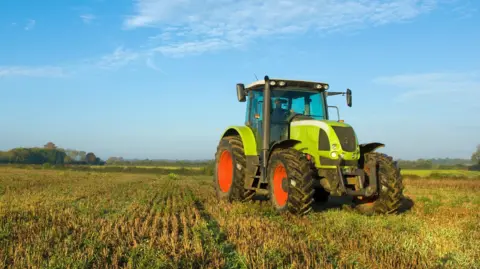
The pre-harvest use of glyphosate herbicide is a particularly contentious practice because it directly impacts the final product that reaches consumers' tables. When farmers spray fields with glyphosate days or weeks before harvest, residue levels in the harvested grain, legumes, and other crops can be substantially higher than those from plants treated earlier in the season. This concentrated exposure concerns health advocates who argue that regulatory agencies have not adequately considered the cumulative health effects of consuming multiple food products containing glyphosate residues.
Campaigners emphasize that banning pre-harvest glyphosate applications would represent a meaningful step toward reducing overall population exposure to the herbicide. Since many processed foods contain ingredients derived from glyphosate-treated crops, consumers may unknowingly ingest residues from multiple sources daily. By eliminating the practice of spraying immediately before harvest, advocates argue that pesticide residue levels could be reduced across the food supply chain without requiring a complete elimination of the herbicide.
The health concerns driving this campaign are multifaceted and increasingly documented in scientific literature. Beyond cancer risk—which remains the most publicized concern—researchers have identified potential links between glyphosate exposure and various other health conditions. These include reproductive and developmental problems, neurological effects, and disruption of the human microbiome, which plays a crucial role in digestive and immune system function.
Agricultural workers and farmers represent another vulnerable population that campaigners highlight in their advocacy efforts. Farm workers who apply glyphosate or work in recently sprayed fields face direct exposure to the chemical at concentrations far exceeding those found in food residues. Long-term occupational exposure to the weedkiller chemical has been associated with various health problems, and farm workers often lack adequate protective equipment, training, or access to healthcare capable of monitoring chemical exposure-related illnesses.
Environmental considerations also feature prominently in the campaign against pre-harvest glyphosate use. The herbicide has been detected in groundwater, surface water, and rainwater in numerous regions worldwide, raising concerns about ecosystem contamination. The chemical's persistence in the environment and its effects on non-target plants and organisms that form the foundation of agricultural ecosystems present long-term sustainability concerns that extend beyond immediate human health risks.
Several countries and regions have already taken steps to restrict or ban glyphosate use in response to mounting health concerns. The European Union has imposed stricter regulations, while some individual nations have moved toward partial or complete bans. These international examples provide models that campaigners in other regions cite when advocating for their own regulatory changes. The variation in regulatory approaches across different countries highlights the contentious nature of the debate and the differing risk assessments made by various governments.
The agricultural industry, conversely, argues that glyphosate remains one of the safest and most effective tools available for controlling weeds and managing crop residue. Industry representatives contend that the chemical has undergone rigorous safety testing and that regulatory agencies worldwide have determined acceptable levels of exposure based on scientific evidence. They emphasize the practical and economic benefits of glyphosate use, noting that eliminating it would increase production costs and potentially reduce crop yields, ultimately affecting food prices and global food security.
However, campaigners counter that regulatory approval processes have failed to adequately account for cumulative lifetime exposure and the potential for synergistic effects with other chemicals. They point to instances where regulatory agencies have been slow to respond to emerging scientific evidence of harm and argue that the burden of proof should be reversed—chemicals should require demonstrated safety before approval rather than remaining legal until proven dangerous beyond reasonable doubt.
The debate over pre-harvest herbicide application represents a broader tension between agricultural productivity and public health protection. Campaigners argue that these priorities need not be mutually exclusive and that alternative weed management strategies, including mechanical removal, crop rotation, and targeted use of less concerning herbicides, could effectively replace pre-harvest glyphosate applications without significantly compromising agricultural efficiency.
Looking forward, the campaign for glyphosate restrictions appears likely to intensify as more research data emerges and public awareness of potential health risks increases. Consumer demand for pesticide-free and organic products continues to grow, suggesting market forces may eventually complement regulatory pressures in reducing reliance on glyphosate-based weed management. The outcome of this ongoing debate will have significant implications for agricultural practices, food safety policies, and public health priorities in the coming years.
Source: BBC News


