
Heathrow Negotiates With Airlines to Resolve Third Runway Dispute

Heathrow's new chair Philip Jansen opens negotiations with airlines and billionaire landowner Surinder Arora to resolve conflicts threatening the £49bn third runway expansion project.
Heathrow Airport is actively pursuing negotiations with major carriers and a prominent local property developer to resolve escalating tensions that could further postpone the ambitious third runway expansion project worth £49 billion. The effort represents a critical intervention by newly appointed chair Philip Jansen, who has prioritized diplomatic engagement to break the deadlock that has plagued this transformative infrastructure initiative for years.
Philip Jansen, who assumed his leadership position at the beginning of the year, has initiated strategic discussions with British Airways owner IAG, Virgin Atlantic, and billionaire real estate magnate Surinder Arora. These conversations aim to identify common ground and forge a consensus that has eluded stakeholders throughout the prolonged planning and approval process. The talks underscore the complexity of balancing competing interests while advancing one of Europe's most significant aviation projects.
The core tensions revolve around persistent disagreements regarding costs and service standards, issues that have become increasingly contentious as the project timeline extends. Airlines have expressed concerns about how expansion expenses will be allocated, while also raising questions about service quality guarantees during the construction phase and beyond. These fundamental disputes have created an impasse that threatens to delay an already long-delayed project even further.
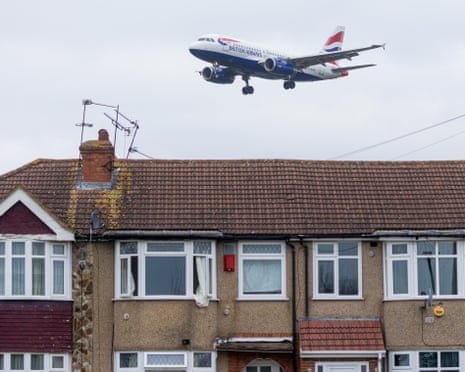
Surinder Arora, a wealthy entrepreneur with significant property holdings in west London, has emerged as an alternative voice in the third runway debate. He has been actively promoting his own £25bn expansion scheme, which he positions as a more economical and efficient alternative to Heathrow's official plans. Arora's involvement adds another layer of complexity to the negotiations, as he represents an entirely different approach to addressing London's aviation capacity challenges.
The billionaire landowner's alternative proposal has gained attention from various stakeholders who question whether Heathrow's expansion represents the most cost-effective solution to Britain's aviation infrastructure needs. By presenting a competing vision, Arora has leveraged his considerable financial resources and local real estate holdings to establish himself as a serious participant in discussions about London's aviation future. His influence has inadvertently complicated Heathrow's path forward, making consensus-building increasingly difficult.
Cost and service issues remain at the heart of the current standoff between all parties involved in the runway expansion debate. Airlines operating from Heathrow have voiced concerns that the airport's proposed fee structure could place them at a competitive disadvantage relative to other European hubs. Additionally, carriers worry about disruptions during construction and question whether service standards will be maintained or potentially compromised during the ambitious development phase.
Jansen's appointment signals Heathrow's recognition that a fresh leadership perspective might be essential to breaking the impasse. His background and experience in previous roles suggest a capacity for stakeholder engagement and problem-solving. Early indications suggest that he is approaching these negotiations with a collaborative mindset, seeking to understand each party's core concerns and identify potential solutions that address legitimate grievances on multiple sides.
The £49 billion third runway project has faced numerous obstacles since its conception, with regulatory approvals, environmental considerations, and community opposition all contributing to repeated delays. The current commercial disputes represent yet another hurdle that threatens to further extend timelines already measured in decades rather than years. Successfully resolving these conflicts could prove decisive in determining whether the project ultimately proceeds as planned.
For British Airways and its parent company IAG, the outcome of these negotiations carries significant strategic importance. The airline has substantial operations at Heathrow and stands to gain considerably from expanded capacity, yet it also faces pressure to control costs in a competitive industry. Virgin Atlantic similarly depends on Heathrow operations and must balance growth opportunities against financial constraints and operational concerns.
The broader implications of these negotiations extend well beyond the immediate parties involved. London's position as a global aviation hub depends partly on whether Heathrow expansion proceeds successfully, as competing European airports like Frankfurt and Amsterdam have undertaken their own capacity enhancements. Delays in Heathrow's third runway project threaten to gradually diminish London's competitive advantage in attracting international flights and connecting passengers.
Government authorities have also taken interest in ensuring that these negotiations progress constructively. The expansion project has received political support from multiple administrations as essential to Britain's long-term economic competitiveness. However, political backing alone cannot overcome the practical and commercial obstacles that stakeholders must collectively resolve through negotiation and compromise.
The service quality guarantees demanded by airlines reflect legitimate concerns about maintaining customer experience during construction periods. Heathrow has committed to implementing measures designed to minimize disruption, yet airlines remain skeptical about whether ambitious timelines can realistically accommodate full quality protection. These concerns underscore the inherent tension between rapid project execution and operational excellence.
Financial modeling for both Heathrow's expansion plan and Arora's alternative proposal reveals significant differences in how costs would be distributed among stakeholders. Airlines are particularly concerned about landing fee structures and how Heathrow might implement cost recovery mechanisms that could disadvantage their operations. Detailed discussions about fee schedules and financial commitments have become central to current negotiations.
Looking forward, the success of Jansen's diplomatic efforts could determine the trajectory of London's aviation infrastructure development for decades. If negotiations produce a viable compromise, the third runway project could move toward actual construction. Conversely, if parties remain deadlocked, alternative proposals like Arora's scheme might gain additional traction, potentially fracturing consensus around how London's aviation capacity should be expanded.
The coming weeks and months will prove critical as negotiators work to bridge the gaps that have prevented agreement thus far. Heathrow's new leadership has signaled a commitment to finding solutions through dialogue rather than confrontation. Whether this collaborative approach yields tangible results remains to be seen, but the stakes for London's future as a global aviation center could hardly be higher.


