
Heathrow Passenger Numbers Drop as Iran Tensions Escalate

Heathrow Airport reports 6.7 million passengers in April amid Middle East tensions. Explore the impact of geopolitical conflict on travel.
Heathrow Airport, London's busiest aviation hub, has recorded a notable decline in passenger traffic during April, with officials attributing the slowdown to escalating tensions in the Middle East. The west London airport processed approximately 6.7 million passengers throughout the month, representing a significant shift in travel patterns as geopolitical uncertainties continue to reshape consumer behavior in the aviation industry.
The passenger dip at Heathrow reflects broader concerns among international travelers regarding safety and route security during periods of heightened Iran conflict tensions. Airlines operating from the airport have faced unprecedented challenges as they navigate changing flight paths, increased operational costs, and shifting demand across various international routes. These factors have combined to create a complex environment for both airport operators and airline partners seeking to maintain profitability and service quality.
April's figures represent a measurable decrease compared to typical seasonal patterns for the spring travel period. Industry analysts have noted that the passenger decline at Heathrow corresponds directly with periods of intensified Middle Eastern geopolitical instability, suggesting that travelers are making more cautious decisions about international flights, particularly those routing through regions affected by the conflict.
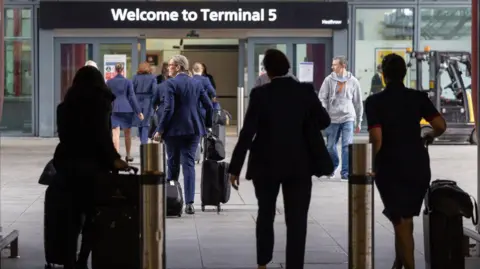
The airport's operational capacity and strategic importance to the UK economy make these figures particularly significant for stakeholders across the aviation sector. Heathrow serves as a critical gateway for British business and leisure travelers, connecting London to over 300 destinations worldwide. When passenger numbers fluctuate due to external circumstances, the ripple effects extend throughout the broader travel and tourism infrastructure, impacting hotels, transportation services, and countless businesses dependent on international visitor flows.
Experts in aviation economics point to several mechanisms through which geopolitical tensions influence passenger behavior at major international hubs. First, travelers become increasingly risk-averse during conflict periods, leading many to postpone non-essential travel or seek alternative destinations perceived as safer. Second, airlines may reduce flight frequencies or capacity on certain routes due to operational constraints, effectively limiting available seats and potentially increasing ticket prices, which further discourages discretionary travel.
The situation at Heathrow reflects a broader pattern observed at other European aviation hubs during similar periods of instability. Airports across the continent have reported comparable passenger fluctuations, suggesting that this represents a coordinated response from the traveling public to heightened security concerns and route disruptions. The April passenger count at Heathrow contributes to a growing database of evidence demonstrating how quickly geopolitical events can impact the aviation industry's performance metrics.
For Heathrow's management and stakeholders, understanding these dynamics is crucial for forecasting, resource allocation, and strategic planning. The airport typically experiences strong passenger growth during spring and early summer months, making April's decline particularly noteworthy. Historical comparison reveals that travel trends during conflict periods diverge significantly from baseline expectations, complicating revenue projections and capacity planning for airport operators.
Airlines operating from Heathrow have implemented various strategies to maintain operational efficiency despite reduced passenger demand. Some carriers have consolidated flights, while others have adjusted scheduling to align with perceived safer periods or have rerouted traffic through alternative hubs. These tactical decisions reflect the industry's pragmatic approach to navigating uncertainty while protecting shareholder value and maintaining competitive positioning.
The aviation industry continues to monitor developments in Iran and the broader Middle East region closely, as any escalation could further impact passenger flows at major international airports. Industry representatives have called for continued dialogue and diplomatic solutions to regional tensions, recognizing that extended periods of conflict create sustained headwinds for the global aviation sector. The economic implications extend beyond Heathrow to encompass supply chains, employment, and trade relationships dependent on efficient air connectivity.
Looking ahead, aviation professionals anticipate that passenger recovery at Heathrow will depend significantly on how regional tensions evolve. Should geopolitical circumstances stabilize, analysts expect a rebound in booking patterns and passenger volumes. Conversely, any further escalation could prompt additional caution among travelers and potentially trigger broader economic implications for the UK tourism and business sectors that rely heavily on international connectivity.
The April figures underscore the vulnerability of modern aviation infrastructure to geopolitical shocks. Despite the industry's technological sophistication and operational resilience, passenger demand remains acutely sensitive to external security concerns and perceived risks. This dynamic has led airport operators and airlines to invest increasingly in crisis communication, transparent safety information, and flexible booking policies designed to reassure travelers during uncertain periods.
Heathrow's experience in April serves as a valuable case study for understanding how major international transportation hubs respond to and are affected by geopolitical events. The airport's 6.7 million passenger count for the month, while substantial in absolute terms, represents a meaningful reduction from what would normally be expected during the spring season. This pattern is likely to continue influencing both short-term operational decisions and longer-term strategic planning for Europe's aviation sector as it navigates an increasingly complex geopolitical landscape.
Source: BBC News


