
Hegseth Faces Intense Iran War Grilling in Marathon Hearing

Defense Secretary Pete Hegseth endured nearly six hours of aggressive questioning from Democratic lawmakers over Iran war strategy in his first sworn testimony since conflict began.
Defense Secretary Pete Hegseth engaged in a contentious and extended debate with Democratic members of Congress during an unprecedented nearly six-hour hearing, marking his inaugural appearance to provide sworn testimony regarding the Iran war and related military operations. The marathon session underscored the deep partisan divisions surrounding the administration's Middle East military strategy and highlighted the growing scrutiny facing the Pentagon's leadership as tensions in the region continue to escalate.
The hearing represented a critical moment for Hegseth to articulate the defense department's position on military operations, strategic objectives, and long-term planning in response to the Iranian conflict. Democratic lawmakers seized the opportunity to challenge the administration's approach, questioning decision-making processes, military readiness assessments, and the broader implications of sustained engagement in the region. The intense questioning reflected broader congressional concerns about the scope and duration of military commitments without clear exit strategies or defined success metrics.
Throughout the extensive questioning, Hegseth faced relentless inquiries about the Iran military conflict timeline, with lawmakers pressing for clarification on how the Pentagon arrived at its current operational posture. The Defense Secretary defended the administration's stance while simultaneously attempting to address mounting concerns from opposition legislators who voiced serious reservations about military escalation and potential regional destabilization. His testimony revealed the complex calculations involved in managing modern geopolitical conflicts while balancing diplomatic considerations with security imperatives.
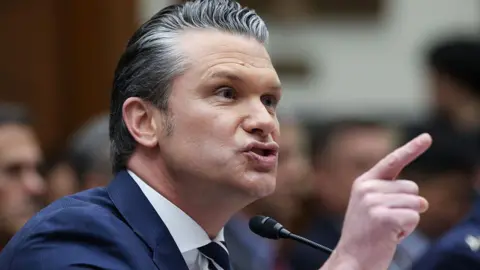
The extended nature of the hearing underscored the significance lawmakers attached to receiving comprehensive answers regarding Pentagon strategy in Iran and the broader Middle East region. Rather than concluding with routine exchanges, the session evolved into a detailed examination of military doctrine, intelligence assessments, and resource allocation decisions. Multiple legislators from the Democratic caucus took turns presenting their concerns, ensuring that Hegseth faced sustained pressure to justify every aspect of the defense department's approach to the conflict.
Among the primary topics addressed during the hearing were questions concerning the adequacy of current military resources deployed to the region, the timeline for potential de-escalation, and contingency plans for various conflict scenarios. Lawmakers expressed particular interest in understanding how the Pentagon was coordinating with allied nations and whether international consensus supported the current military posture. Hegseth's responses attempted to balance transparency with operational security considerations, though his answers frequently prompted follow-up questions from skeptical legislators.
The hearing also delved into the humanitarian implications of sustained military operations, with several Democratic members raising concerns about civilian casualties, regional stability, and the potential for wider conflagration. These questions reflected broader public sentiment regarding the costs and consequences of extended military engagement. Hegseth acknowledged the gravity of these concerns while emphasizing that the Department of Defense maintained rigorous protocols for minimizing civilian harm and adhering to international humanitarian law.
The partisan nature of the proceedings became evident as the hearing progressed, with Democratic questioners pressing for more detailed justifications while Republican members generally offered more deferential questioning focused on supporting the administration's position. This divide reflected the broader political landscape surrounding defense and foreign policy issues, where fundamental disagreements exist regarding appropriate levels of military intervention and risk tolerance. The contrast in questioning styles highlighted how significantly national security matters have become entangled with partisan political considerations.
Technical questions regarding military capabilities, intelligence assessments, and operational logistics consumed substantial portions of the hearing, demonstrating lawmakers' desire to understand the granular details of Pentagon planning. Hegseth fielded inquiries about specific weapon systems, troop deployments, and logistical support structures, providing testimony that technical specialists on both sides would scrutinize carefully. These detailed discussions provided insight into the complexity of managing military operations across vast distances with significant strategic implications.
The Defense Secretary's demeanor throughout the extended questioning remained relatively composed, though moments of tension emerged when lawmakers pressed him on particularly contentious issues. His responses occasionally drew objections from Democratic members who felt answers lacked sufficient specificity or failed to address underlying concerns. These exchanges illustrated the fundamental disagreements between the administration and its critics regarding the necessity and wisdom of current military policy.
Looking beyond the immediate hearing, analysts predicted that this testimony would become a reference point for future congressional defense debates and appropriations discussions. The extensive record created during these nearly six hours would likely be cited repeatedly as lawmakers made decisions about military funding, operational oversight, and strategic direction. Media coverage of the hearing would shape public understanding of the conflict, potentially influencing domestic political dynamics surrounding foreign policy.
The significance of this hearing extended beyond immediate political theater, as it established crucial precedents for legislative oversight of military operations during the Iran conflict. Congressional authority to question defense officials under oath represents a fundamental democratic mechanism for ensuring accountability and maintaining civilian control over military institutions. This particular hearing demonstrated that mechanism operating under conditions of genuine partisan disagreement and substantive policy disputes.
Both supporters and critics of the administration's Iran policy would likely interpret Hegseth's testimony through their own political lenses, extracting arguments that supported their respective positions. Advocacy organizations opposing military escalation pointed to perceived inadequacies in Hegseth's responses regarding humanitarian concerns, while defense hawks highlighted his explanations of military necessity and strategic imperative. This polarization reflected the deeply divisive nature of contemporary American foreign policy debates.
The nearly six-hour duration of the hearing itself conveyed important messages about the weight lawmakers assigned to this testimony and their determination to thoroughly vet Pentagon leadership. Such extended sessions represent significant investments of congressional time and resources, typically reserved for matters of substantial national importance. The commitment to this marathon hearing signaled that the Iran conflict remained a priority concern for oversight-minded legislators across multiple committees.
As the hearing concluded, observers noted that fundamental disagreements between Hegseth and his Democratic interrogators remained unresolved, suggesting that future clashes over military operations in Iran and broader defense policy would likely continue. The hearing may have succeeded in airing various perspectives and creating a detailed public record, but it appeared unlikely to produce the kind of consensus necessary for unified national security strategy. This lack of resolution underscored the persistent challenges facing military leadership attempting to navigate contemporary geopolitical conflicts amid deep domestic political divisions.
Source: BBC News


