
Hezbollah Drones Attack Israeli Troops Amid Ceasefire Collapse

Hezbollah launches drone strikes on Israeli soldiers in southern Lebanon as ceasefire deteriorates. Israel responds with airstrikes and new displacement orders.
The fragile ceasefire between Israel and Hezbollah continued to unravel on Tuesday as the militant organization launched a coordinated series of drone attacks against Israeli military personnel stationed in southern Lebanon. The escalation marks yet another significant breach in the shaky truce arrangement, with both sides engaging in tit-for-tat military operations that threaten to completely derail peace efforts in the region.
According to Hezbollah's official statements, the drone strikes targeted Israeli soldiers positioned in southern Lebanon and successfully inflicted injuries on multiple military personnel. The organization released details of the attack through its media channels, claiming the operation was a direct response to continued Israeli military presence in the border region. However, the Israeli military neither confirmed nor denied specific casualty figures, instead issuing a terse statement acknowledging that their air defense systems had been activated to intercept incoming threats from Hezbollah.
The Israeli military confirmed that interceptor missiles were deployed to counter the incoming drone threat, though specific information about successful interceptions or any potential breaches of the air defense perimeter remained undisclosed. This pattern of partial information release from both sides has become characteristic of the current conflict phase, with each party carefully controlling what details reach the public while maintaining plausible deniability regarding specific military outcomes.
In a dramatic escalation of its response, the Israeli military launched significant airstrikes against targets throughout southern Lebanon, striking at what it described as Hezbollah positions and infrastructure. The military operations appeared designed not only to respond to the drone attack but also to reassert Israeli military dominance in the region and demonstrate resolve to both Hezbollah and the Lebanese civilian population.
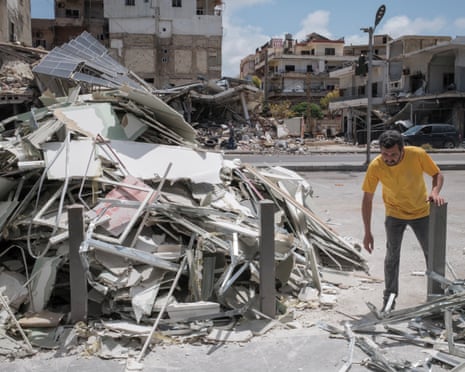
Beyond the immediate military operations, Israeli authorities issued fresh displacement orders for residents of southern Lebanon, compelling additional civilian populations to evacuate their homes. These new orders expanded the zone of mandatory evacuation, affecting thousands of additional Lebanese civilians who were instructed to leave their residences and relocate to areas considered safer from military operations. The displacement orders represented a significant escalation in terms of civilian impact and suggested Israeli military planners anticipated continued or intensified operations in the region.
The humanitarian implications of the expanded evacuation zones proved substantial, as families faced losing their homes and livelihoods with minimal notice. Many residents had only recently returned to southern Lebanon following previous evacuations, making the new displacement orders particularly distressing for communities struggling to rebuild their lives and communities. International humanitarian organizations voiced deep concern about the growing displacement crisis and its devastating impact on vulnerable civilian populations.
The ceasefire agreement that had theoretically halted major hostilities between Israel and Hezbollah appeared increasingly ineffective at preventing military engagement between the two adversaries. Observers noted that the cease-fire framework had proven insufficient to establish genuine peace, instead seemingly serving merely as a temporary pause between rounds of escalating violence. Multiple violations had already been documented from both sides, raising serious questions about whether the agreement possessed any meaningful enforcement mechanisms.
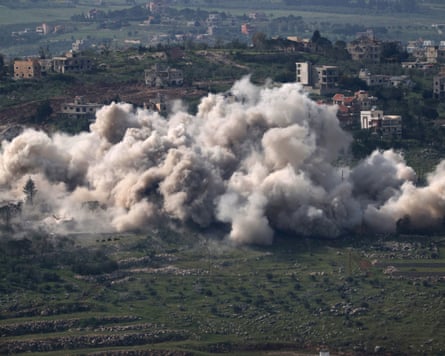
Military analysts pointed to the strategic importance of southern Lebanon as a key factor driving continued confrontation between the two sides. The region's proximity to Israel's northern border made it militarily significant, while its status as a traditional stronghold for Hezbollah operations meant that Israeli forces considered the area critical to national security. The competing strategic interests of Israel and Hezbollah in this territory appeared likely to generate continued military friction regardless of formal ceasefire agreements.
Hezbollah's decision to conduct the drone strikes represented a calculated military and political message to Israel, demonstrating that the organization retained operational capability and willingness to engage despite the ceasefire framework. The organization likely sought to maintain military pressure on Israeli forces while testing the effectiveness of Israel's air defense systems and gauging international response to violations of the peace agreement. Such tactical displays of continued capability served important functions in maintaining Hezbollah's credibility among its supporters and deterring Israeli aggression.
The Israeli response, encompassing both air defense activation and retaliatory airstrikes, similarly communicated important strategic messages to Hezbollah and other regional actors. By rapidly responding to the drone attacks with military force and issuing expanded displacement orders, Israel sought to maintain strategic initiative and demonstrate its commitment to defending its northern border against persistent threats. The dual military and civilian-focused response suggested Israeli authorities believed economic and social pressure might complement direct military pressure in deterring future Hezbollah attacks.
International observers and diplomatic specialists expressed grave concerns about the trajectory of the Israeli-Hezbollah confrontation, noting that the apparent failure of the ceasefire to establish genuine peace suggested fundamental obstacles to any lasting settlement. The competing security interests, ideological positions, and political pressures facing both Israel and Hezbollah appeared substantial enough to perpetuate conflict despite formal agreements. Regional and international mediators faced an uphill battle in constructing frameworks capable of achieving genuine de-escalation.
The humanitarian toll of the continued military operations extended far beyond the immediate combat zones, as displacement orders forced massive civilian relocations and disrupted the already fragile humanitarian situation in southern Lebanon. Hospitals, schools, and other essential services faced disruption as populations fled the conflict zone, while internally displaced persons struggled to find adequate shelter and resources. International humanitarian agencies warned that the situation threatened to create a major regional humanitarian crisis if the military operations continued escalating.
As evening fell on Tuesday, both sides appeared to be positioning for potential further escalation, with Israeli forces maintaining elevated readiness and Hezbollah demonstrating its continued operational capabilities. The failure of the ceasefire to prevent these latest military engagements raised troubling questions about whether any diplomatic solution could bridge the deep divisions between Israel and Hezbollah. The region braced for possible further violence as the immediate aftermath of the day's military operations rippled through civilian populations and military commands throughout southern Lebanon and northern Israel.
Source: The Guardian


