
High-Stakes EU-Hungary Talks as Political Shift Looms

EU officials arrive in Budapest for critical negotiations as Hungary's long-ruling PM Viktor Orbán admits 'political era has ended' after election defeat.
EU officials have arrived in Budapest for high-stakes talks aimed at reshaping the bloc's strained relationship with Hungary, weeks before the new government takes office. This comes as the country's departing prime minister, Viktor Orbán, admitted a "political era has ended" and suggested he would stay on as leader of his party in his first interview since the election.
Speaking to the pro-government outlet Patrióta, Orbán described Sunday's election as an "emotional rollercoaster" after the opposition Tisza party won a landslide victory, bringing an end to Orbán's 16 years in power.
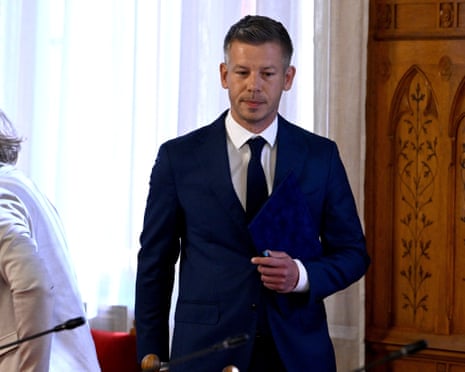
The EU has long been at odds with Orbán's government over issues like the rule of law, media freedom, and corruption. With a new administration in Budapest, Brussels sees an opportunity to reset the relationship and address these concerns. However, Orbán's continued influence as party leader could complicate the negotiations.
"The clock is ticking," an EU official said, emphasizing the urgency to resolve important issues before the transition of power. The talks will likely focus on securing commitments from the incoming government on democratic reforms and aligning Hungary more closely with EU values and policies.
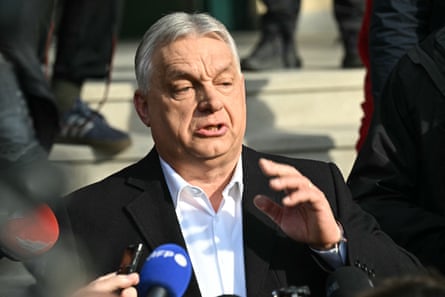
Orbán acknowledged the political shift, telling Patrióta, "A political era has ended." He indicated he would remain active in the Fidesz party, which he has led since the 1990s, but said the "new generation" would take the reins of government.
The Tisza party's victory was a significant blow to Orbán's populist, Euroskeptic agenda, which had increasingly put Hungary at odds with the EU mainstream. The incoming administration will face the challenge of navigating this delicate relationship while addressing domestic concerns like the economy and cost of living.
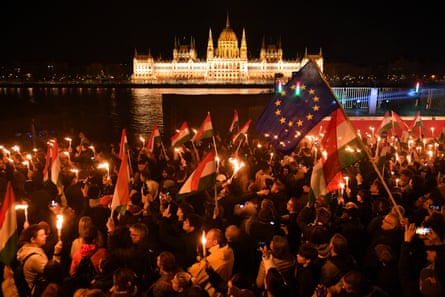
As the EU officials engage in these critical talks, they will be closely watched by both Hungarian citizens and the wider European community. The outcome will have far-reaching implications for the future of Hungary's relationship with the EU and its place within the bloc.
Source: The Guardian


