
Highguard Developer Cuts Jobs Days After Launch

The online shooter Highguard faces major layoffs just two weeks post-launch despite Game Awards trailer spotlight, struggling to build player base.
Highguard, the highly anticipated online shooter that received significant exposure during The Game Awards, has become the latest casualty in the gaming industry's ongoing struggles with player retention and market saturation. The game's developer announced substantial staff layoffs just two weeks after the title's official release, marking a dramatic fall from grace for a project that many industry insiders had expected to perform significantly better in the competitive multiplayer gaming market.
The timing of these layoffs is particularly striking given the game's prominent placement at The Game Awards ceremony, where its action-packed trailer was showcased to millions of viewers worldwide. This prime marketing opportunity, typically reserved for the most promising upcoming releases, generated considerable buzz and anticipation within the gaming community. However, the exposure failed to translate into the sustained player engagement that the developers desperately needed to maintain their workforce and continue supporting the game's ongoing development.
Industry analysts suggest that Highguard's struggles reflect broader challenges facing the online shooter genre, which has become increasingly saturated with established franchises and new entrants competing for the same demographic of players. The game launched into a market already dominated by well-established titles with massive player bases, making it difficult for newcomers to carve out their own niche and attract the consistent daily active users necessary for long-term viability.
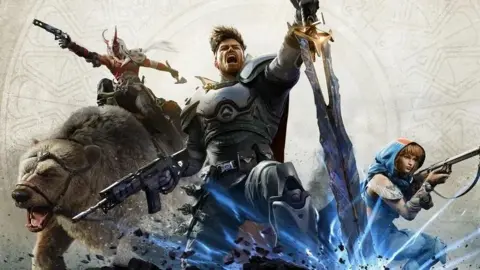
The Game Awards trailer showcase, while providing valuable visibility, appears to have created unrealistic expectations for the game's commercial performance. Despite the high production values evident in the promotional materials and the significant investment in securing such prominent placement during the industry's most watched event, the actual gameplay experience seemingly failed to resonate with audiences in the way developers had hoped.
Sources close to the development team indicate that the layoffs affect multiple departments, including community management, quality assurance, and ongoing content development. This reduction in workforce raises serious questions about the game's future support and whether the remaining team will be able to address player feedback and implement the updates necessary to revive interest in the struggling title.
The failure to maintain a substantial player base despite high-profile marketing represents a concerning trend in the gaming industry, where even well-funded projects with significant promotional backing can struggle to find their audience. The rapid decline from Game Awards spotlight to workforce reductions illustrates the brutal reality of modern game development, where initial launch metrics often determine a title's long-term viability within a matter of weeks rather than months.
Online shooter market dynamics have proven particularly unforgiving to new entrants, as players tend to invest heavily in mastering one or two preferred titles rather than constantly switching between different games. This creates a winner-take-all environment where established franchises maintain their dominance while newcomers struggle to attract players away from familiar experiences they've already invested significant time in learning and enjoying.
The developer's decision to implement layoffs so quickly after launch suggests that pre-launch projections were significantly more optimistic than the actual market reception warranted. This disconnect between expectations and reality has become increasingly common in an industry where development costs continue to rise while the likelihood of achieving breakout success remains relatively low, even for projects that receive substantial marketing support and industry recognition.
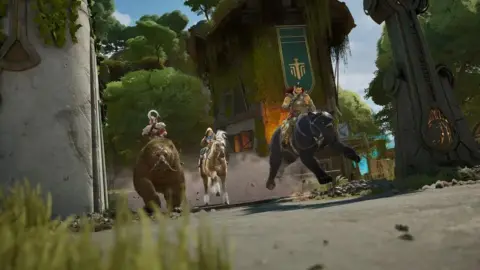
Community response to the layoff announcement has been mixed, with some players expressing sympathy for the affected developers while others point to fundamental gameplay issues that may have contributed to the game's poor retention rates. Forum discussions and social media commentary suggest that while the game's visual presentation and technical performance were generally well-received, core gameplay mechanics failed to provide the engaging experience necessary to keep players returning day after day.
The situation raises important questions about the sustainability of current game development and marketing strategies, particularly for online multiplayer titles that require substantial ongoing investment in servers, content updates, and community management. The quick pivot to cost-cutting measures suggests that the financial model supporting the game's development was not robust enough to weather even a short period of underperformance.
Industry veterans note that the competitive online gaming market has become increasingly difficult to penetrate, with new titles needing to offer compelling reasons for players to abandon games they may have been playing for years. The social connections, accumulated progress, and learned skills associated with established games create significant barriers to entry that even well-marketed newcomers struggle to overcome.
Looking ahead, the remaining development team faces the challenging task of attempting to revitalize interest in Highguard while operating with reduced resources and a smaller workforce. The coming months will be critical in determining whether the game can recover from this early setback or if it will join the growing list of online shooters that failed to establish a sustainable player base despite initial industry attention and investment.

Source: BBC News


