
Historic Kentucky Derby Win: First Female Trainer Victorious

Cherie DeVaux makes history as the first female trainer to win the Kentucky Derby. Golden Tempo surges from last place for a thrilling victory.
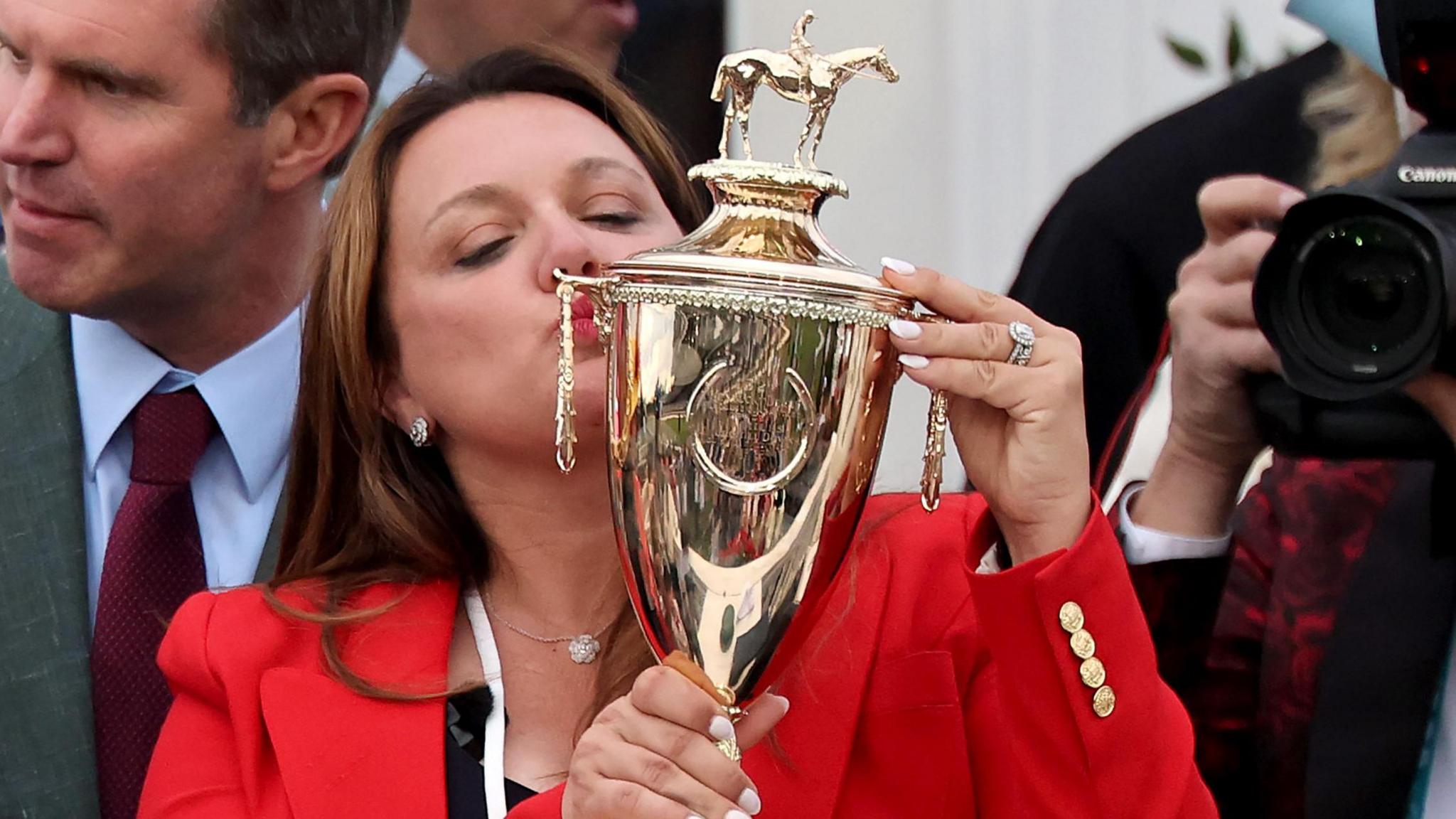
Cherie DeVaux etched her name into thoroughbred racing history on a momentous day at Churchill Downs, becoming the first female trainer to achieve victory in the legendary Kentucky Derby. In a breathtaking display of tactical brilliance and athletic prowess, her charge Golden Tempo orchestrated a remarkable comeback from the back of the field, ultimately crossing the finish line with a narrow neck victory that sent the crowd into raptures.
The triumph represents far more than a single victory in racing's most prestigious event—it marks a watershed moment for women in equestrian sports and signals a significant shift in the predominantly male-dominated world of professional horse training. DeVaux's accomplishment comes after decades of dedicated work in the racing industry, during which she has steadily built her reputation as a skilled conditioner capable of bringing out the best in her charges.
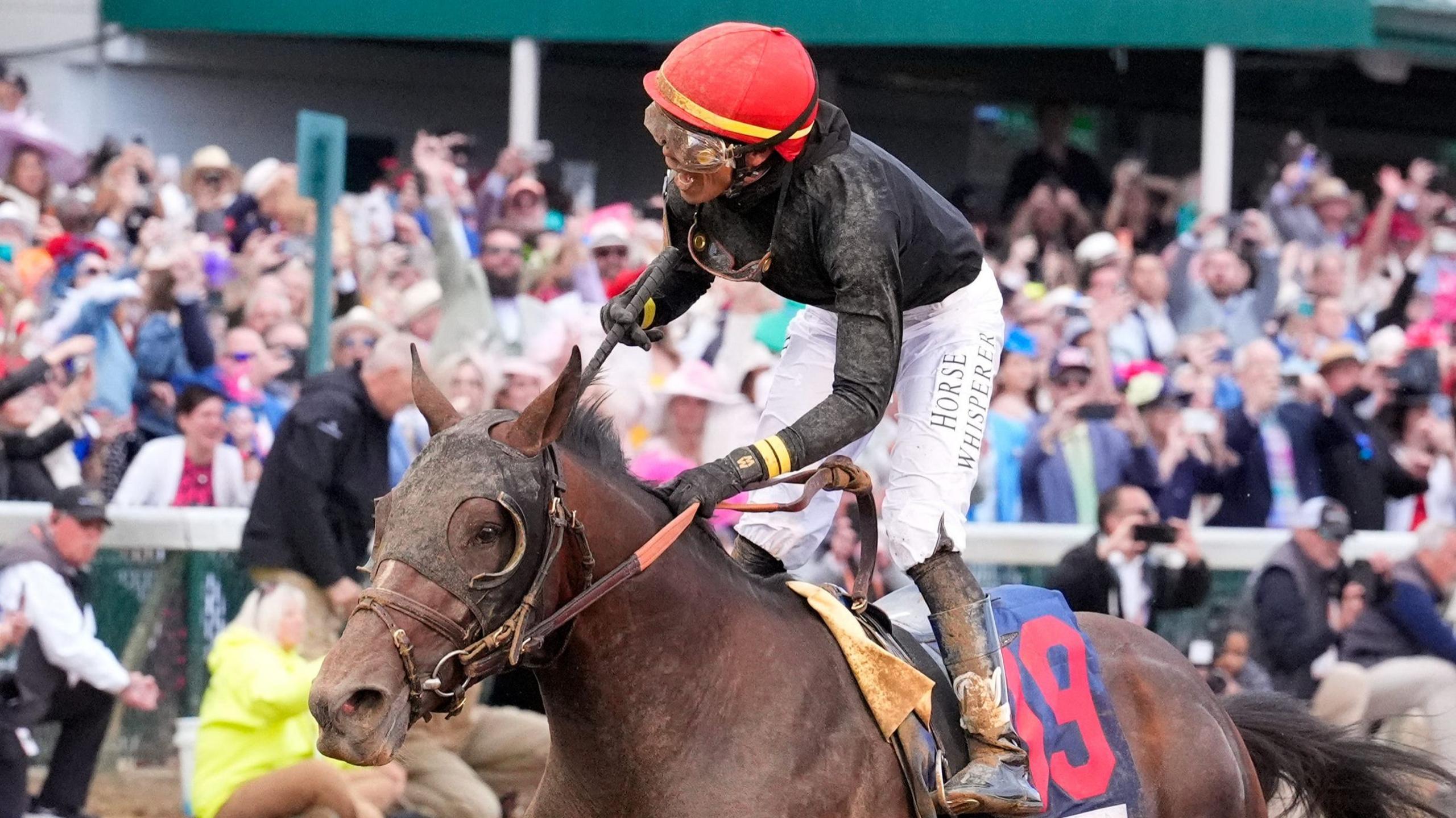
Jockey Joe Ortiz delivered a masterclass in race execution, piloting the 23-1 long shot through a perfectly timed performance that defied the odds stacked against the horse. Racing from the back of the pack for much of the contest, Ortiz displayed patience and tactical acumen, waiting for the optimal moment to make his decisive move down the stretch.
The race unfolded with considerable drama as the field jostled for position throughout the middle stages of the competition. Front-runners initially dominated the pace, setting a moderate tempo that appeared to favor speed and early positioning. However, DeVaux's strategy of allowing Golden Tempo to settle in a rear position proved prescient, as the trailing horse conserved energy while competitors ahead of him began to tire.
With approximately a quarter-mile remaining, Ortiz sensed the moment had arrived to unleash his mount's finishing kick. Golden Tempo responded with the kind of acceleration that captures the imagination of racing enthusiasts—surging forward with dramatic momentum that suggested the horse had been merely biding its time. The crowd's roar intensified as Golden Tempo began systematically swallowing ground, moving with a fluid stride that indicated reserves of energy had been expertly managed.
The final furlong transformed into an exhilarating struggle between the emerging Golden Tempo and the front-running favorite, whose jockey also drove hard for the finish line. The two horses raced stride-for-stride in the final strides, with neither gaining clear ascendancy. It was only in the final moments, inches from the finish line, that Golden Tempo's superior finishing speed proved decisive, pushing ahead by the narrowest of margins.
DeVaux's achievement carries profound significance within the broader context of sports history and gender representation in professional athletics. The Kentucky Derby has long stood as an iconic American sporting institution, dating back to its inaugural running in 1875. Throughout the race's lengthy history, the role of trainer has been exclusively occupied by male professionals, making DeVaux's breakthrough particularly noteworthy and long overdue.
The trainer's pathway to this historic moment reflects years of persistence, expertise development, and an unwavering commitment to excellence in horse conditioning. DeVaux has built her career methodically, establishing herself as a knowledgeable professional capable of reading horses' capabilities and translating that understanding into competitive advantage on the racetrack. Her decision to campaign Golden Tempo for the Derby, despite the horse's long odds, demonstrated the kind of strategic thinking that separates accomplished trainers from the rest of the field.
Golden Tempo's victory also provides a compelling narrative about the unpredictability that makes horse racing such a captivating sport. With odds of 23-1, the horse was considered a considerable long shot, meaning relatively few observers had predicted this outcome. The horse's pedigree and prior performances had given experienced handicappers reason to doubt its capacity to win against a field of ostensibly superior competitors, yet it proved these assessments wrong through a display of athleticism and determination.
Jockey Joe Ortiz's contribution to this success deserves particular emphasis, as the quality of ride proved absolutely essential to the outcome. Ortiz's patience in the early stages—resisting the temptation to move forward prematurely—allowed Golden Tempo to conserve energy while other horses burned theirs fighting for position. This strategic restraint, combined with his precise timing of the final push, exemplified the highest standards of professional horsemanship and tactical acumen.
The Kentucky Derby victory for DeVaux and Golden Tempo generated immediate discussion within racing circles about what this moment might mean for women's advancement in the sport. Many observers pointed out that despite women comprising a significant portion of individuals working within thoroughbred racing—from veterinarians to exercise riders to assistant trainers—few had achieved recognition at the highest levels of the profession. DeVaux's breakthrough victory suggests this pattern may be shifting, potentially opening doors for other talented female trainers.
The celebration at Churchill Downs extended well beyond the immediate connections of the winning horse. DeVaux's victory resonated with many observers who viewed it as overdue recognition for female professionals in sports long dominated by male leadership. News organizations dedicated extensive coverage to the historic nature of her achievement, recognizing that this moment would likely be remembered as a turning point in the sport's evolution regarding gender representation.
Looking forward, DeVaux's achievement may inspire additional women to pursue careers in professional horse training, potentially accelerating a process of change in an industry that has historically been slower than some others to embrace gender diversity in leadership positions. Her success provides tangible proof that women possess the necessary expertise and judgment to compete and prevail at the highest echelons of the sport, challenging any remaining stereotypes or assumptions about women's capabilities in this domain.
The victory also highlighted the enduring appeal and prestige associated with the Kentucky Derby itself. The race continues to capture the imagination of sports fans nationwide, drawing massive audiences and generating national conversation about thoroughbred racing. Golden Tempo's surprising victory from long odds amplified the dramatic appeal of the event, creating a narrative that extended far beyond the typical racing enthusiast audience.
For DeVaux personally, this historic Kentucky Derby triumph represents the culmination of years of dedication to her craft and belief in her capabilities despite the barriers she navigated. Her victory belongs not only to her professional accomplishments but also serves as inspiration for other women pursuing careers in sports and professional endeavors traditionally dominated by male practitioners. The moment will undoubtedly be remembered as a significant milestone in the ongoing evolution of sports toward greater inclusivity and representation of talented individuals regardless of gender.
Source: BBC News


