
Honda Cancels US Electric Vehicle Plans, Facing Heavy Losses

Honda has canceled production of three new electric vehicles for the US market due to heavy financial losses, citing trade war tariffs and relaxed emissions standards.
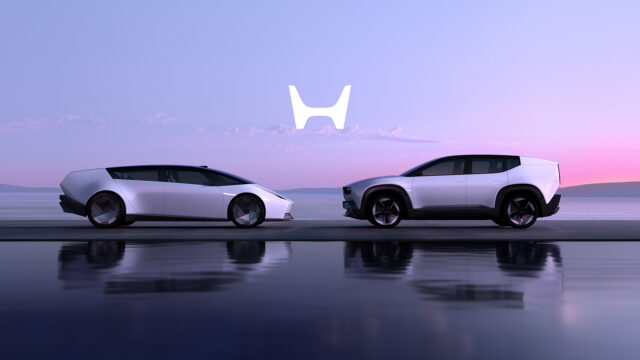
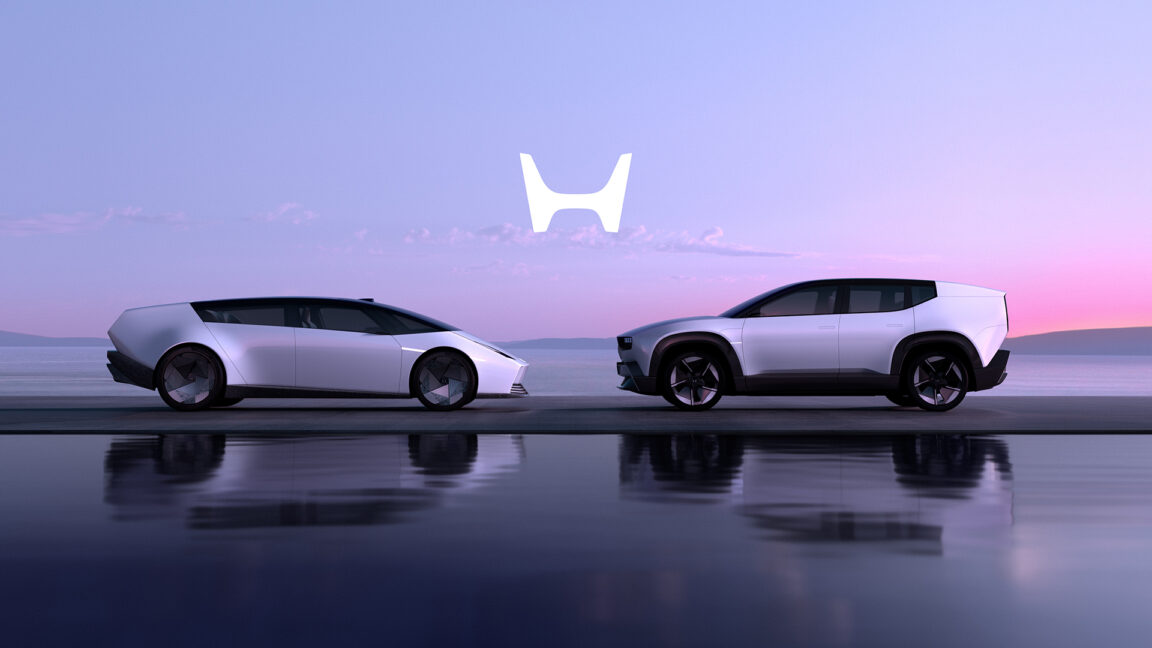
In a surprising move, Honda has announced the cancellation of its plans to produce three new electric vehicles in the United States. The Japanese automaker, facing heavy financial losses projected between $5.1 billion and $7 billion (820 billion–1.12 trillion yen) for the current fiscal year, has decided to sacrifice the Honda 0 SUV, Honda 0 sedan, and the electric Acura RSX, which were all unveiled at CES last year in a near-production state.
The decision to scrap these new EV models is driven by several factors, according to Honda. The first is the ongoing chaos of the trade war and its associated tariffs, which have significantly impacted the profitability of the cars the company imports into the US market. A second factor is the US government's relaxation of emissions and fuel economy standards, which has reduced the incentive for automakers to invest in electric vehicle development.
Last year, Honda gave Ars Technica a tour of its manufacturing facilities in Ohio, showcasing the transformation of the Anna Engine Plant and Marysville Auto Plant. These facilities had undergone significant upgrades, adding a massive die cast operation to produce electric vehicle battery packs and a new section in Marysville filled with robots, ready to incorporate the three new Honda and Acura EVs into the production mix alongside the company's traditional offerings like the Accord and Integra.
However, the financial challenges faced by Honda have forced the company to make tough decisions, leading to the cancellation of these promising electric vehicle projects before they even reached the market. This decision is a setback for Honda's electrification efforts, as the company had positioned these new EVs as an important part of its long-term strategy to reduce emissions and meet evolving consumer demand.
The cancellation of these electric vehicles is a stark reminder of the competitive and rapidly evolving nature of the automotive industry. Automakers must navigate a complex landscape of trade policies, regulatory changes, and shifting consumer preferences, all while managing the significant financial investments required to develop and produce new electric models.
As the electric vehicle market continues to grow, Honda's decision to pull the plug on these projects raises questions about the company's long-term strategy and its ability to keep pace with the industry's rapid transformation. Analysts will be closely watching to see how Honda responds to this setback and whether the company can regain its footing in the race to electrify its lineup.

Source: Ars Technica


