
Honda Unveils New Hybrids After $9B EV Loss

Honda adapts strategy with new hybrid vehicles following $9 billion EV write-downs as US electric vehicle market struggles with policy changes and declining sales.
The American automotive landscape has undergone a dramatic transformation in recent years, and Honda is among the major manufacturers feeling the reverberations. After US government policies fundamentally altered the country's electric vehicle market, automakers across the industry have been forced to recalibrate their long-term strategies and investment portfolios. The loss of federal clean vehicle tax incentives and dedicated funding for charging infrastructure, combined with unpredictable tariff policies, has created significant headwinds for EV adoption across the nation.
The impact of these policy shifts has been staggering in its scope and speed. The first three months of the year saw electric vehicle sales plummet by 28 percent, marking a sharp reversal from the optimistic trajectory of just a few years prior. This dramatic downturn stands in sharp contrast to the bullish sentiment that once dominated the automotive sector, when major manufacturers were competing to establish themselves as leaders in the EV transition. The sudden policy reversals have left companies scrambling to adjust their business models and capital allocation strategies.
Honda's situation exemplifies the broader challenges facing the automotive industry during this period of uncertainty. The Japanese automaker, which had previously committed substantial resources to developing an EV-heavy portfolio, now finds itself absorbing more than $9 billion in write-downs. This massive financial hit represents not just lost investment, but also reflects the company's previous confidence in an electrified future that failed to materialize as expected. Adding insult to injury, Honda recorded its first operating loss in the company's storied history, a watershed moment for an organization that has maintained profitability for decades.
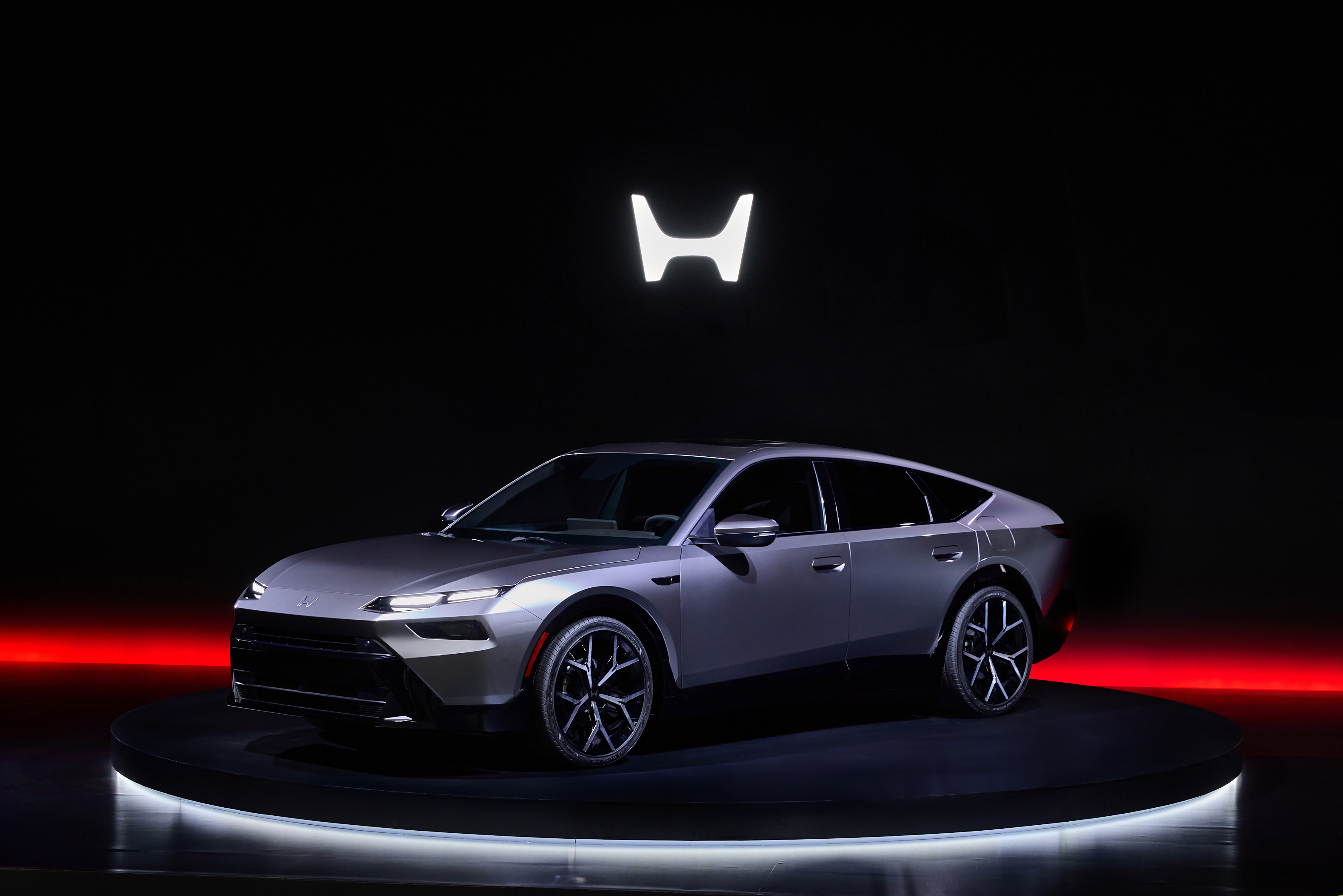
To address this crisis, Honda moved quickly to reduce its exposure to electric vehicles in the North American market. The company announced the cancellation of three electric vehicles that were planned for production at its facilities in Ohio, eliminating a significant portion of its planned EV lineup for the region. Additionally, Honda terminated development of another pair of electric vehicles that were being created as part of an ambitious joint venture with Sony, a partnership that had generated considerable industry buzz and investment.
These strategic cancellations represented Honda's initial response to the deteriorating market conditions and changing government landscape. Rather than continue investing heavily in vehicles with uncertain market prospects, the company chose to cut its losses and redirect resources toward more viable segments. The decision to walk away from the Sony partnership was particularly notable, as it suggested that even collaborative efforts between major technology and automotive companies could not overcome the fundamental market challenges created by shifting policy environments.
Following these dramatic operational changes, Honda's leadership team prepared to articulate a new strategic direction for the company. Toshihiro Mibe, serving as Honda's CEO, scheduled a press conference in Tokyo to outline the automaker's revised business strategy. This presentation would serve as a crucial moment for the company to communicate its pivot away from an aggressive EV-first approach and toward a more balanced portfolio strategy that emphasized hybrid vehicle technology.
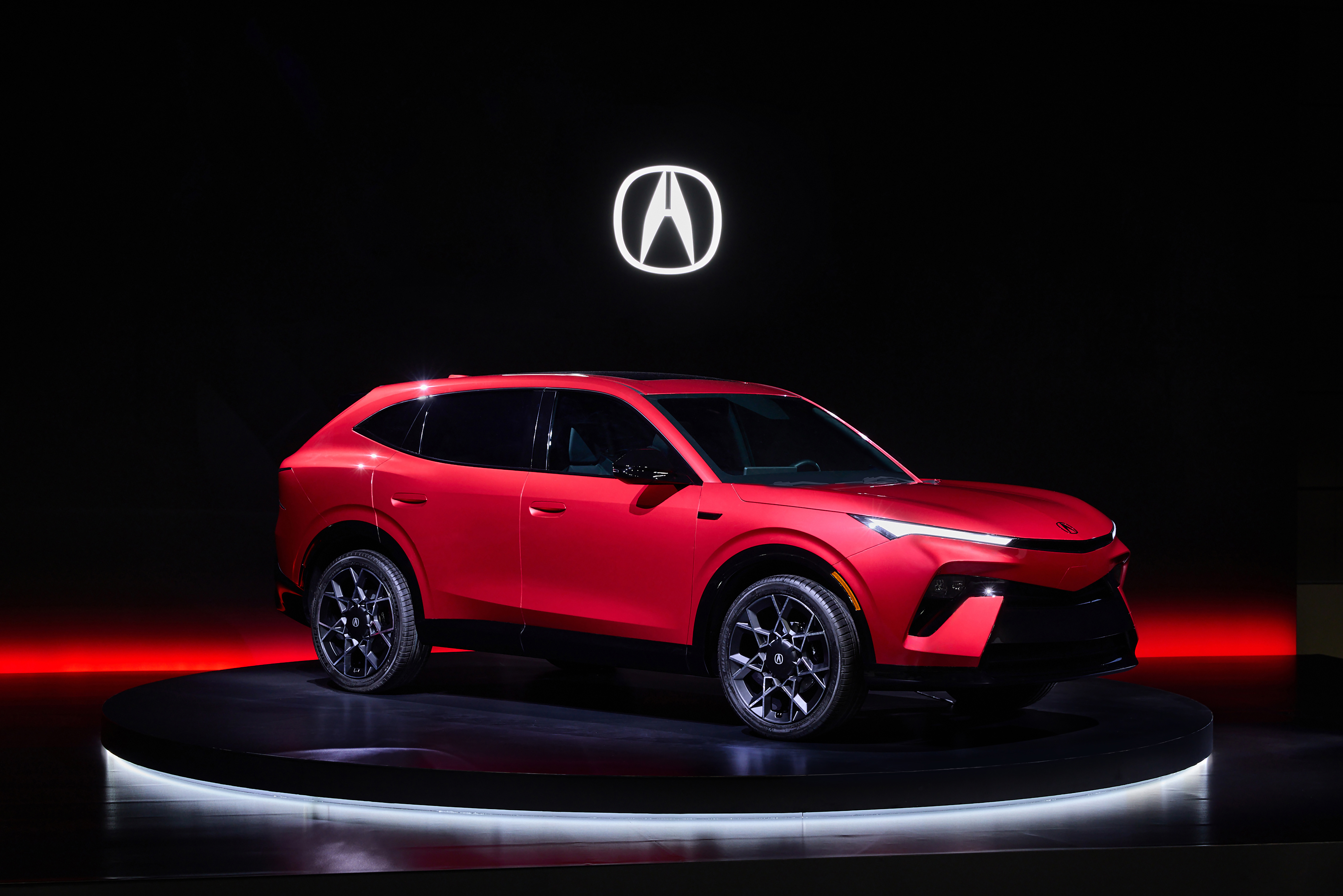
The pivot toward hybrid vehicles represents a pragmatic acknowledgment of market realities that Honda and other manufacturers now face. Rather than betting entirely on a rapid transition to fully electric powertrains, the company is embracing a more measured approach that includes substantial investment in hybrid technology. This strategy reflects a broader industry trend, as multiple automakers have begun to recalibrate their electrification timelines in response to slower-than-expected EV adoption rates and policy uncertainty.
Honda's new hybrid offerings are designed to appeal to consumers who remain hesitant about full electrification but are still interested in improving fuel efficiency and reducing emissions. The hybrid technology combines internal combustion engines with electric motors, providing the practical benefits of improved fuel economy without requiring consumers to embrace the range anxiety and charging infrastructure concerns that continue to plague the EV market. These vehicles represent a middle ground that may prove more palatable to mainstream American consumers during this transitional period.
The financial and strategic implications of this shift are substantial for Honda and the broader automotive sector. By shifting resources toward hybrid development and production, Honda is acknowledging that the market transition to electric vehicles will take longer than previously anticipated. This more gradual approach allows the company to maintain profitability while still advancing toward long-term sustainability goals, albeit on a more extended timeline than originally envisioned.

Industry analysts have noted that Honda's experience reflects broader challenges facing the entire automotive sector in the current policy environment. The combination of removed tax incentives, insufficient charging infrastructure investment, and tariff uncertainty has created a perfect storm for electric vehicle adoption. Many consumers who might otherwise consider an EV have decided to wait for greater policy stability and more mature charging networks before making the switch.
The cancellation of Honda's planned EV portfolio and the shift toward hybrids also raises questions about the long-term competitiveness of Japanese automakers in the global market. While Tesla and Chinese EV manufacturers continue to push forward with aggressive electrification strategies, Honda is taking a more cautious approach focused on near-term profitability and market stability. Whether this conservative strategy will prove prescient or shortsighted remains to be seen.
Looking ahead, Honda's strategy highlights the importance of policy consistency and long-term planning in the automotive industry. The abrupt policy reversals that have characterized recent years have made it nearly impossible for manufacturers to execute the kind of long-term capital investment strategies that electrification requires. Honda's decision to return to a more hybrid-focused approach suggests that the company believes stability and near-term returns are preferable to the risks associated with aggressive EV investment in an uncertain policy environment.
The $9 billion write-down and strategic retreat from aggressive EV expansion represent a humbling moment for Honda, but they also demonstrate the company's ability to adapt when circumstances change. By announcing new hybrid vehicles and articulating a revised strategic direction, Honda is attempting to position itself for success in what it clearly believes will be a prolonged transition period toward vehicle electrification. Whether consumers and investors will embrace this more measured approach remains an important question for the company's future prospects and shareholder value creation.
Source: Ars Technica


