
Hong Kong Dissident Nathan Law on China Spy Ring in UK

Exiled Hong Kong activist Nathan Law reacts to historic conviction of two men for Chinese espionage operations in Britain, raising serious security concerns.
Nathan Law, a prominent exiled leader from the Hong Kong student protest movement, has responded with measured but significant concern following the historic conviction of two men accused of conducting Chinese espionage operations throughout the United Kingdom. The conviction marks a watershed moment in British legal history, as it represents the first time individuals have been successfully prosecuted in a British court for assisting a foreign intelligence service on behalf of China. Law's measured reaction to the case underscores the growing anxieties among the community of Hong Kong exiles now residing in Western democracies.
Living under the constant threat of a £100,000 bounty placed on his head by Chinese authorities, Law maintains a low profile while continuing his activism work in the United Kingdom. Despite the elevated personal security risks he faces, the exiled activist expressed that the discovery of a spy ring targeting him and other Hong Kong dissidents was, in his own words, unsurprising. The revelation that intelligence operatives had photographed him during a visit to the prestigious Oxford Union to participate in an evening debate in November 2023 served as confirmation rather than shocking revelation—a testament to the sustained surveillance pressure that Hong Kong exiles have long suspected.
The Old Bailey conviction of Chi Leung "Peter" Wai, 38, and Chung Biu "Bill" Yuen, 65, came after an extensive nine-week trial that exposed the sophisticated operational methods employed by Chinese intelligence services within British territory. The charges against both men centered on their deliberate assistance provided to a foreign intelligence service, specifically the Chinese state apparatus seeking to monitor and track opposition figures who had fled Hong Kong. This landmark legal proceeding has forced British authorities and the international community to confront uncomfortable questions about the depth and extent of foreign espionage networks operating with apparent impunity in UK cities and institutions.
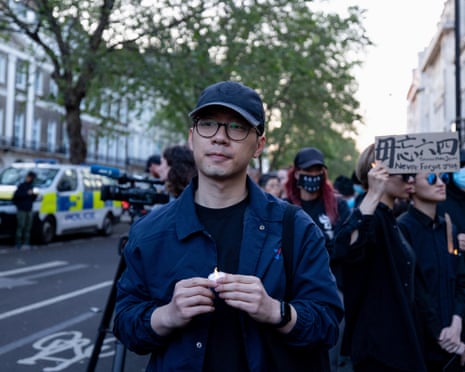
The details that emerged throughout the prolonged trial served primarily to validate the long-standing concerns and suspicions harbored by Hong Kong activists and exiled communities. Rather than revealing entirely new operational tactics, the evidence presented painted a comprehensive picture of how state-sponsored intelligence operations target individuals who have become vocal critics of Beijing's policies. Law's measured response reflects the reality that those working within dissident communities have developed an acute awareness of potential surveillance threats, having witnessed the erosion of freedoms and the expansion of state control mechanisms within Hong Kong itself.
The convicted individuals allegedly maintained extensive networks and demonstrated access to sensitive information that raised profound questions about how they obtained such detailed intelligence regarding the movements and activities of opposition figures. Investigators uncovered evidence suggesting that the spy ring had developed comprehensive dossiers on various Hong Kong exiles living in the United Kingdom, documenting their locations, contacts, and public appearances with disturbing precision. The sophistication of these operational methods highlighted the resource commitment that foreign intelligence services were willing to invest in monitoring and potentially intimidating exiled communities.
For Law and other Hong Kong exiles based in democratic nations, the conviction represents both a vindication and a sobering reminder of the persistent threat they face. The successful prosecution provides legal recognition that foreign intelligence operations targeting activists and dissidents within British jurisdiction constitute serious criminal conduct. However, it simultaneously underscores the reality that such operations have been occurring undetected or inadequately challenged for extended periods, raising questions about how many similar operations might still be operating undetected within the United Kingdom and other Western nations.

The case carries significant implications for how Western democracies approach the challenge of protecting exiled activists and political opponents of authoritarian regimes. The detailed methodology unveiled during the trial demonstrated how intelligence operatives could exploit open, democratic societies—where individuals move freely and attend public events—to gather intelligence that could potentially be used for harassment, intimidation, or worse. This presents a fundamental tension between maintaining the openness and freedom of expression that define democratic societies and protecting vulnerable individuals from state-sponsored surveillance and harassment.
Law's measured and unsurprised reaction may also reflect a pragmatic assessment of the limitations of legal remedies in addressing broader patterns of foreign state interference. While the conviction of Wai and Yuen represents a significant legal victory and acknowledgment that such activities constitute criminal conduct, it does little to dismantle the institutional structures and resources that foreign intelligence services can mobilize to conduct surveillance operations. The two convicted individuals may face imprisonment, but the broader apparatus of state-sponsored intelligence gathering continues to function, potentially with other operatives and through other networks.
The implications of the spy ring's activities extend beyond the immediate threat to individual activists to encompass questions about national security and the vulnerability of British institutions to foreign intelligence operations. The fact that operatives were able to photograph Law entering the Oxford Union—a prestigious and well-known institution associated with public intellectual discourse—suggests that such public spaces frequented by dissidents may offer limited protection from determined intelligence services. This reality forces activists to navigate an uncomfortable balance between maintaining their public profiles and advocacy work while minimizing their exposure to surveillance and potential threat.
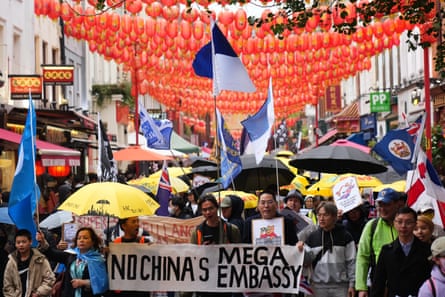
For the broader community of Hong Kong exiles scattered across Western democracies, the trial and conviction provide important data about the operational methods, scale, and sophistication of the surveillance apparatus directed against them. Understanding how intelligence operatives conduct surveillance, what information they prioritize gathering, and how they access sensitive details about activists' movements and activities allows these communities to develop more sophisticated protective measures. The legal proceedings thus serve an important function in exposing operational methods that can inform both official security responses and the informal protective strategies that activist communities develop.
The historic nature of the conviction—being the first successful prosecution in British criminal history of individuals assisting Chinese intelligence services—reflects both the increasing boldness of foreign intelligence operations in Western nations and the growing recognition by British authorities that such operations constitute unacceptable violations of sovereignty and the rule of law. As authoritarian regimes increasingly view exile communities as threats requiring active monitoring and potential coercion, democratic nations face mounting pressure to strengthen their capacity to detect, investigate, and prosecute such operations effectively.
Law's perspective on these developments remains grounded in practical reality—acknowledging the threat without allowing it to paralyze activism and advocacy work. The exiled leader continues his work promoting Hong Kong freedom and democracy despite the considerable personal risks involved. The conviction, while significant, represents only a single episode in a much longer and more complex story of state-sponsored surveillance, international political conflict, and the struggle to maintain spaces for free expression and political opposition in an increasingly contested global environment. Moving forward, the case will likely influence how Western intelligence services and law enforcement agencies approach the detection and prevention of foreign espionage operations directed against vulnerable populations within their territories.
The broader context of increased international surveillance and state-sponsored intelligence operations represents one of the defining security challenges of the contemporary era. As countries become more technologically sophisticated and interconnected, the opportunities and temptations for intelligence services to conduct operations across borders expand correspondingly. The conviction of Wai and Yuen provides a rare public window into operations that typically remain concealed, offering both accountability for the specific individuals involved and broader insights into how such networks function. For activists like Nathan Law and countless others living in exile, vigilance and awareness of potential threats remain essential components of their daily reality, even as they continue their advocacy work in defense of democratic values and human rights.
Source: The Guardian


