
Hormuz Strait Showdown: US-Iran Blockade Battle Intensifies

Tensions escalate in the Strait of Hormuz as US and Iran engage in strategic naval blockade tactics. Iran threatens global oil supplies amid escalating Middle East crisis.
The Strait of Hormuz has emerged as the critical battleground in an intensifying geopolitical confrontation between the United States and Iran, with both nations deploying sophisticated naval strategies to assert dominance over one of the world's most strategically vital waterways. Iran's current objective centers on maintaining its economic stranglehold on global markets, even as analysts warn that the nation's oil storage facilities may reach maximum capacity by the end of the week, creating unprecedented pressure on its energy infrastructure and export capabilities.
The shelving of military operations targeting Iran's critical infrastructure—specifically the postponement of planned strikes against bridges and power stations ordered by Donald Trump on Tuesday evening—has left many international observers questioning the trajectory of the conflict. However, this assessment fundamentally misunderstands the current state of affairs in the Middle East. Rather than entering a period of stasis, the theater of operations has simply shifted from terrestrial engagements to increasingly tense maritime confrontations that threaten to reshape global energy markets.
Pakistani diplomatic channels continue to signal their commitment to facilitating dialogue, with officials emphasizing that the prospect of meaningful negotiations in Islamabad remains viable despite recent military posturing. Constructive messaging continues to flow between various stakeholders, yet on the water, the situation tells a dramatically different story of escalating tensions and strategic maneuvering.

The focus of military activity has fundamentally transformed into what international relations experts are characterizing as modern-day gunboat diplomacy—a practice where nations use naval force or the threat thereof to achieve political objectives without formal military engagement. The Strait of Hormuz has become the venue for this dangerous game, as both the American and Iranian militaries work to demonstrate superior capacity to enforce their respective blockade strategies. The waterway's geographical and economic importance cannot be overstated: it represents the critical chokepoint through which approximately one-third of the world's maritime oil trade passes, making control over this passage essential to global economic stability.
Iran's strategic approach involves tightening its maritime blockade to exert maximum pressure on international commerce and energy markets. The Islamic Republic has deployed its Revolutionary Guard Navy and specialized naval units to establish checkpoints and conduct increasingly assertive inspections of vessels transiting the strait. This aggressive posture aims to demonstrate Iran's willingness and capacity to disrupt global oil supplies, thereby leveraging economic leverage in negotiations and asserting its regional authority despite international sanctions and isolation.
The United States, conversely, has bolstered its naval presence in the region by deploying additional carrier strike groups, destroyers, and advanced surveillance systems to maintain freedom of navigation through the Strait of Hormuz. American military commanders have made explicit statements about their commitment to keeping international waters open to commerce, positioning this as a matter of defending global economic interests and international law. The U.S. Navy's increased patrols and closer coordination with allied nations' maritime forces represent an escalating show of force designed to counter Iran's blockade initiatives.

The crisis has intensified concerns among global energy markets and international shipping companies, who face unprecedented uncertainty about the safety and reliability of transit through the region. Insurance premiums for vessels navigating the Strait of Hormuz have surged dramatically, with shipping companies reassessing their operational strategies and exploring alternative routes that, while longer and more expensive, might reduce their exposure to maritime incidents. This disruption to established trade patterns threatens to cascade through global supply chains, affecting everything from fuel prices at the pump to heating oil availability and industrial production costs worldwide.
Iran's oil storage capacity crisis adds another dimension to the escalating confrontation. With domestic refineries operating at full capacity and international sanctions severely limiting export opportunities, Iranian officials face a mounting problem: their petroleum reserves are reaching the physical limits of available storage infrastructure. By some estimates, existing storage facilities could become completely saturated within days, forcing Iran to either significantly reduce its oil production—with devastating consequences for government revenues—or find alternative solutions to prevent tank overflow and environmental catastrophe.
This storage predicament significantly strengthens Iran's motivation to maintain its blockade strategy and aggressive maritime posture. By restricting shipping and preventing international commerce through the strait, Iranian leadership aims to create conditions that might force international negotiations more favorable to their position. The confluence of Iran's storage crisis and its determination to exert economic leverage through maritime blockade creates an exceptionally volatile situation with potentially severe global consequences.
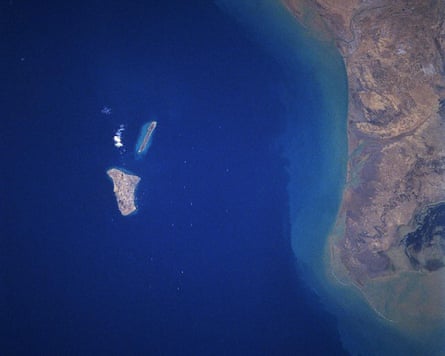
Military analysts and international relations experts have expressed serious concerns about the escalatory trajectory of these naval confrontations. The Strait of Hormuz has historically been a flashpoint for international tension, with numerous incidents of ships being damaged, seized, or caught in the crossfire of regional conflicts. The current standoff involves highly trained military personnel operating sophisticated weaponry in close quarters, creating numerous opportunities for miscalculation, accidental escalation, or intentional provocation that could trigger broader military conflict.
The diplomatic situation remains fluid but tense. Pakistan's role as a potential mediator reflects the international community's ongoing efforts to prevent further deterioration of the situation through dialogue channels. However, these diplomatic efforts occur against a backdrop of increasingly aggressive military activity and hardening positions on both sides. Each nation seeks to strengthen its negotiating position through displays of military capability and resolve, creating a dangerous dynamic where demonstrations of strength could easily be misinterpreted as provocations requiring military response.
The implications of prolonged blockade activity extend far beyond immediate military concerns. Global oil prices have already begun to fluctuate in response to increased uncertainty about supply security. Energy-dependent economies worldwide are reassessing their strategic petroleum reserves and considering contingency plans for potential disruptions. This economic anxiety ripples through financial markets, affecting everything from stock valuations to currency exchange rates and government policy decisions regarding energy strategy and international relations.
As both the United States and Iran continue to maneuver for strategic advantage in the Strait of Hormuz, the international community watches with mounting concern. The transformation of military operations from aerial and terrestrial campaigns to sophisticated naval blockade tactics represents a dangerous escalation in this prolonged regional crisis. Without meaningful diplomatic breakthrough or deliberate de-escalation measures, the situation threatens to transform this critical waterway into a zone of active military confrontation with consequences extending far beyond the region and affecting the global economic system upon which modern civilization depends.
Source: The Guardian


