
Hormuz Strait Tensions Threaten Fragile Gulf Peace

US-Iran standoff in Strait of Hormuz escalates risks of renewed conflict, threatening ceasefire agreements and regional stability in the Persian Gulf.
The strategic Strait of Hormuz has become the epicenter of mounting tensions between the United States and Iran, with both nations intensifying their military posture and diplomatic pressure in ways that threaten to unravel the delicate ceasefire that has held the volatile region together. According to security analysts and regional experts, the current standoff represents one of the most dangerous flashpoints in international relations, with the potential to trigger a catastrophic escalation that could plunge the Gulf into full-scale conflict.
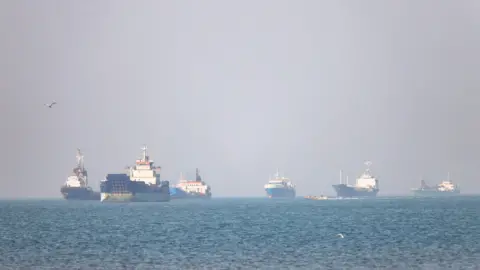
The narrow waterway, through which approximately one-third of the world's maritime petroleum trade passes, has long been a flashpoint for geopolitical tensions. This critical chokepoint remains heavily militarized, with both American naval assets and Iranian Revolutionary Guard Corps vessels maintaining constant surveillance and positioning near the waters. The recent uptick in provocative incidents and military maneuvers has dramatically increased the risk of accidental escalation or miscalculation that could spark broader hostilities.
Senior security officials warn that the current dynamic between Washington and Tehran lacks the kind of stabilizing dialogue mechanisms that could prevent spiraling tensions from becoming irreversible. The absence of meaningful diplomatic channels has created a vacuum that increasingly gets filled by military posturing, aggressive rhetoric, and strategic demonstrations of force designed to project strength and deter the opposing side from taking perceived aggressive action.
The fundamental problem underlying this standoff stems from competing visions of regional hegemony and conflicting security interests that have persisted for decades. The United States maintains that its naval presence and freedom of navigation operations are essential for protecting international commerce and upholding international law. Conversely, Iran views these operations as provocative intrusions into waters it considers part of its strategic sphere and as violations of its territorial sovereignty and national security interests.
Recent incidents have included Iranian vessels conducting close-range maneuvers near US Navy ships, seizures of cargo vessels, and targeting incidents involving drone activity. These confrontations have steadily escalated in frequency and intensity, creating what security experts describe as a pattern of escalation that could easily spiral beyond anyone's ability to control or contain. Each side interprets the other's actions as inherently threatening, leading to reactive measures that further inflate tensions in an increasingly compressed strategic space.
The Persian Gulf security environment has become exceptionally volatile due to multiple overlapping crises and unresolved disputes. Beyond the US-Iran standoff, the region continues dealing with the aftermath of various proxy conflicts, sectarian tensions, and competing alliance systems that make any localized incident potentially catastrophic. The fragility of existing agreements means that even relatively minor provocations could trigger unintended consequences that cascade into major military confrontations.
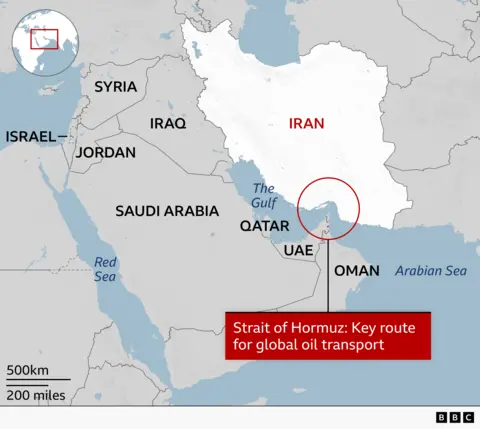
Economic implications of renewed conflict would be devastating not only for regional players but for the entire global economy. Disruption to energy supplies flowing through the Strait of Hormuz would send oil prices soaring and create cascading disruptions throughout international commerce and financial markets. Global supply chains already weakened by recent crises would face additional stress, potentially triggering widespread economic consequences that would be felt far beyond the Middle East.
The international community has largely remained on the sidelines, with most nations hoping that existing ceasefire arrangements will hold despite mounting evidence of their fragility. European powers have expressed concern about the escalation but lack the leverage to meaningfully influence either Washington or Tehran. Other Gulf states find themselves in precarious positions, trying to maintain relationships with both the United States and Iran while protecting their own strategic interests and energy infrastructure.
Military analysts note that the current force posture on both sides appears designed more for deterrence than for actual conflict, yet the danger of unintended escalation remains extremely high. Complex rules of engagement, unclear communication protocols, and the presence of numerous non-state actors operating in the region create multiple pathways through which a minor incident could rapidly metastasize into something far more serious and difficult to contain.
The Trump administration's withdrawal from the Iran nuclear deal and subsequent maximum pressure campaign fundamentally altered the strategic calculus in the region, eliminating agreements that had previously constrained Iranian behavior and provided verification mechanisms for monitoring compliance. This decision dismantled the diplomatic architecture that had provided a framework for managing US-Iran relations, leaving both nations operating without agreed-upon boundaries or mechanisms for conflict resolution.
Current diplomatic efforts remain extremely limited, with sporadic back-channel communications providing minimal opportunity for clarifying intentions or de-escalating tensions. The domestic political environments in both countries create incentives for maintaining hardline positions, making meaningful compromise exceptionally difficult. Conservative elements in both Tehran and Washington have little interest in reducing tensions or reopening dialogue channels that could lead to rapprochement.
Regional security architecture has proven inadequate for addressing the challenges posed by two powerful adversaries locked in zero-sum competition. Existing forums for dialogue lack teeth and credibility, while military-to-military communication channels exist primarily on paper rather than in practice. The absence of functioning conflict prevention mechanisms means that tensions that might otherwise be manageable through negotiation instead accumulate and fester until they become critical.
Looking forward, the trajectory appears increasingly concerning unless concrete steps are taken to introduce stabilizing elements into this volatile situation. Both the United States and Iran possess the capability to severely damage each other and critical global infrastructure, yet neither appears willing or able to step back from the current confrontational stance. The international community must recognize the urgency of facilitating meaningful dialogue before the Strait of Hormuz standoff transitions from a dangerous standoff into an active military conflict with potentially catastrophic consequences for global peace and prosperity.
Source: BBC News


