
House Approves Bill to Shield 350,000 Haitians from Deportation

A bipartisan group in the US House passes legislation to extend temporary protected status for Haitians, defying Trump's mass deportation agenda.
The United States House of Representatives has taken a rare bipartisan step in approving legislation that would shield 350,000 Haitians from deportations for the next three years. This marks a notable rebuke of Donald Trump's aggressive mass deportation agenda, enabled by a small group of Republican defectors.
The vote was 224-204, with 11 Republican members joining all Democrats to pass the bill proposed by New York Democrat Lauren Gillen. The legislation aims to continue the Temporary Protected Status (TPS) designation for Haitians, which allows them to live and work in the United States without fear of deportation.
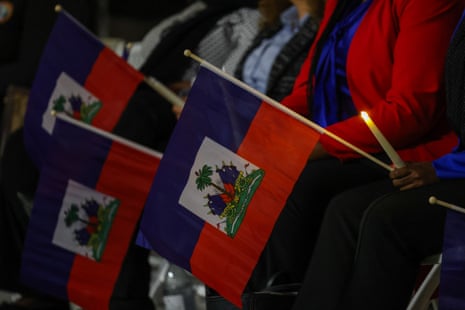
The TPS program was initially established to provide a temporary haven for foreign nationals who are unable to safely return to their home countries due to armed conflict, environmental disasters, or other extraordinary conditions. In the case of Haiti, the designation was first granted in 2010 following a devastating earthquake and has been repeatedly extended since then.
The Trump administration had sought to terminate TPS for several nationalities, including Haitians, arguing that the original conditions that led to the protections had improved. However, this move was met with significant pushback from immigrant advocates and some lawmakers who argued that the situations in these countries remained precarious.
The passage of this bill in the House represents a bipartisan rebuke of the Trump administration's hardline immigration policies, which have prioritized mass deportations and the restriction of legal immigration. While the legislation still needs to clear the Senate and be signed into law by the president, its approval in the House sends a strong message about the growing opposition to the administration's approach to immigration.
Supporters of the bill argue that the temporary protections for Haitians are crucial, as the Caribbean nation continues to grapple with a range of challenges, including political instability, natural disasters, and the lingering impact of the 2010 earthquake. Deporting these individuals, they say, would only exacerbate the difficulties faced by Haiti and its people.
The vote also highlights the bipartisan nature of the opposition to some of the Trump administration's immigration policies, with a small but significant number of Republicans breaking ranks to support the measure. This cross-party cooperation on the issue of Haitian deportations could portend future challenges for the administration as it seeks to pursue its broader immigration agenda.
Overall, the House's approval of this bill represents a significant development in the ongoing debate over immigration policy in the United States, with the potential to have lasting implications for the fate of hundreds of thousands of Haitians living in the country.
Source: The Guardian


