
Household Debt Crisis: UK's New Normal Struggle with Essential Bills

Charity warns debt on housing, utilities and council tax has become the 'new normal' for low-income UK households as prices soar and budgets stretch.
A concerning trend has emerged across the United Kingdom, as the charity StepChange reports that high levels of debt on essential household bills have become the new normal for many low-income families. Data shows that average arrears for housing, utilities, and council tax all rose significantly last year, putting a major strain on people's already tight budgets.
The financial pressures facing UK households have been mounting in recent years, with the cost of living continuously climbing. From higher prices for goods and services to the ripple effects of the crisis in the Middle East, families are finding it increasingly difficult to make ends meet. This has led to a troubling situation where debt on essential bills is now a widespread and persistent problem, rather than a temporary setback.
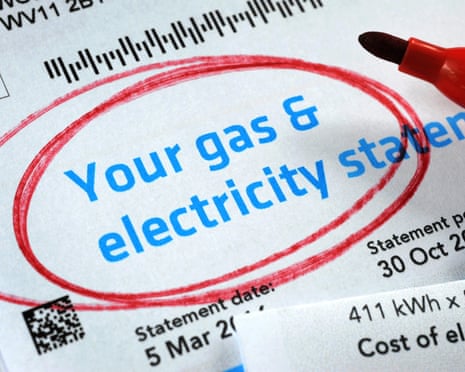
According to StepChange, the charity's data paints a bleak picture of the financial challenges facing the country's most vulnerable households. The average level of arrears for housing costs, such as rent or mortgage payments, rose significantly in the past year. Similarly, debts owed on utility bills like electricity, gas, and water also saw a notable increase.
Perhaps most concerningly, the average amount owed on council tax - a mandatory local government levy - has also gone up, reflecting the strain on household budgets across multiple essential expense categories.
The charity's findings underscore the growing financial hardship experienced by low-income families in the UK. As the cost of living continues to rise, more and more people are being forced to make difficult choices about how to allocate their limited resources. This can lead to a vicious cycle of debt, as individuals fall behind on essential payments and then struggle to catch up.
Experts warn that this trend of high debt levels on fundamental household expenses threatens to become the new normal for many, unless policymakers and support organizations take decisive action to address the underlying causes and provide meaningful assistance to those in need.
The implications of this crisis extend far beyond the immediate financial burden on families. Unmanageable debt can have cascading effects on mental health, family stability, and overall well-being. As the situation continues to worsen, there is a growing urgency to find effective solutions that can provide relief and put households on a more sustainable financial footing.
Source: The Guardian


