
Houston's Immigrant Community Battles Health Crisis

Houston's immigrant residents face overwhelming challenges from ICE raids, chemical spills, floods and healthcare costs. Discover their survival story.
Houston, one of America's most culturally diverse metropolitan areas, is grappling with a humanitarian crisis that threatens the health, safety, and economic stability of its most vulnerable residents. Immigrant communities throughout the city are navigating an increasingly difficult landscape characterized by immigration enforcement operations, environmental hazards, natural disasters, and prohibitively expensive medical care. The convergence of these challenges has created a perfect storm that forces families to make impossible choices about their basic survival and wellbeing.
At the heart of this crisis is a pervasive climate of fear that fundamentally shapes how residents approach their daily lives and critical health decisions. Cándido Álvarez, a long-time resident of Houston's immigrant neighborhoods, exemplifies the difficult position many find themselves in when navigating the intersection of immigration policy and healthcare access. "Not when I'm sick, not even when it's serious," he explained regarding his deliberate avoidance of medical facilities. "I prefer not to go." This decision, while seemingly counterintuitive from a public health perspective, reflects a calculated risk assessment that many undocumented and mixed-status immigrants must make constantly.
The decision to forgo medical care stems from multiple interconnected fears and practical barriers. Undocumented immigrants worry that seeking treatment could expose them to immigration authorities, potentially resulting in detention and deportation. Healthcare facilities, even those committed to serving vulnerable populations, represent potential points of contact with government agencies. Additionally, the financial burden of medical care without insurance coverage creates a secondary barrier, as many immigrant families operate with extremely limited disposable income and cannot afford unexpected medical expenses.

Houston's environmental vulnerabilities compound the health crisis facing immigrant communities. The city sits in the heart of America's petrochemical corridor, with numerous refineries, chemical plants, and industrial facilities operating throughout the metropolitan area and surrounding regions. This concentration of industrial infrastructure creates ongoing risks of chemical spills and environmental contamination that disproportionately affect lower-income neighborhoods where immigrant populations are concentrated. These communities often lack the political power and resources to successfully advocate for stricter environmental regulations or adequate remediation efforts.
The risks posed by petrochemical facilities became alarmingly apparent during recent incidents that released hazardous substances into the air and water. Residents in affected areas reported respiratory symptoms, skin irritation, and other acute health effects, yet many were reluctant or unable to report these incidents to authorities or seek medical evaluation. The combination of industrial pollution exposure and limited access to healthcare creates a dangerous scenario where health problems may go undiagnosed and untreated until they become critical.
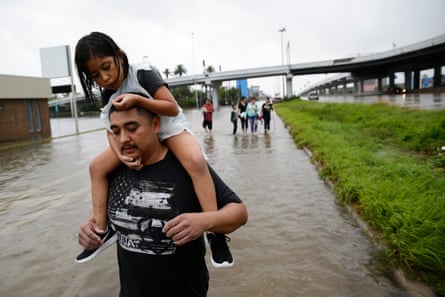
Climate-related disasters present another layer of crisis for Houston's immigrant communities. The city's geographic location and changing climate patterns have made it increasingly vulnerable to severe flooding and hurricane impacts. Major flooding events have devastated lower-income neighborhoods where many immigrants live, destroying homes, displacing families, and creating public health emergencies. These climate events expose residents to contaminated water, mold, disease vectors, and other environmental health hazards while simultaneously disrupting access to medical care and essential services.
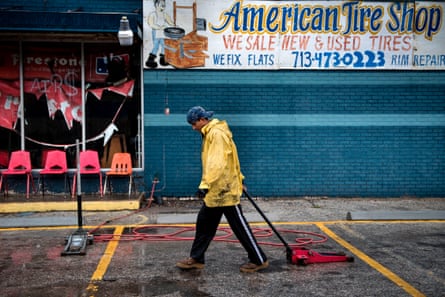
The economic aftermath of climate disasters creates additional hardship for immigrant families already living paycheck to paycheck. Recovery costs, property damage, and temporary displacement strain already limited financial resources. Many residents lack proper insurance coverage or may be ineligible for disaster assistance due to immigration status, leaving them to bear the full burden of recovery costs independently. This economic vulnerability perpetuates cycles of poverty and makes it increasingly difficult for families to invest in preventive health measures or build financial resilience.
Beyond environmental and climate challenges, immigration enforcement creates a constant source of psychological and practical stress. Immigration and Customs Enforcement (ICE) raids in Houston and surrounding areas have created a climate of fear that extends far beyond those directly targeted. Entire communities live with heightened anxiety, modifying their daily behaviors and avoiding situations where they might encounter law enforcement. This stress response has documented negative impacts on mental health, blood pressure, immune function, and overall wellbeing, particularly among children and families living in mixed-status households.
The healthcare system itself presents substantial barriers to access for immigrant populations. Beyond the immigration-related fears, practical obstacles include language barriers, lack of health insurance, cost prohibitions, and limited knowledge about available services. Many immigrants are unfamiliar with how American healthcare systems operate and may not understand their rights as patients or what services might be available to them. Cultural differences in health beliefs and medical practices can also create communication challenges between patients and providers.
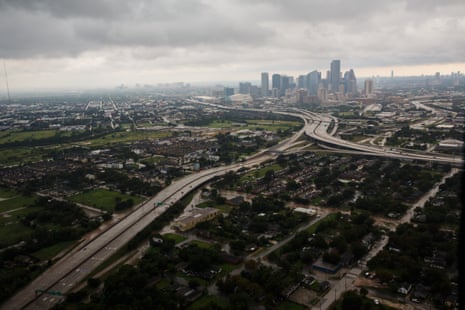
The economic dimensions of healthcare access cannot be overstated. Houston's immigrant communities include many workers employed in low-wage sectors such as construction, agriculture, domestic work, and service industries. These jobs typically offer no health insurance benefits, leaving workers and their families entirely dependent on out-of-pocket payment or uncompensated care. When families are already struggling to afford housing, food, transportation, and other basic necessities, healthcare costs become genuinely impossible to manage.
Preventive healthcare is an early casualty of these circumstances. Routine checkups, vaccinations, and screening for chronic conditions are foregone in favor of preserving limited financial resources for immediate needs. This approach predictably results in conditions being diagnosed only when they reach advanced stages requiring more expensive and intensive treatment. From a public health perspective, this pattern undermines population health outcomes and creates inefficiencies in the healthcare system itself.
Mental health challenges have reached crisis levels within Houston's immigrant communities, yet remain largely unaddressed due to stigma, language barriers, and lack of culturally competent mental health services. Ongoing stress from immigration uncertainty, economic precarity, environmental hazards, and healthcare access challenges creates chronic activation of stress response systems. Depression, anxiety, and trauma-related conditions are prevalent but frequently go untreated, further eroding the health and functioning of vulnerable individuals and families.
Children growing up in these circumstances face particular vulnerability to long-term health and developmental impacts. Chronic stress exposure during formative years can have lasting effects on brain development, immune function, and susceptibility to disease. School attendance and academic performance may suffer as children deal with health problems, housing instability, and family stress. Educational disruption can limit future economic opportunities and perpetuate intergenerational poverty.
Community organizations and immigrant advocacy groups have attempted to address these interconnected crises through various interventions and support programs. These efforts include health education, assistance with healthcare navigation, emergency financial assistance, legal support, and advocacy for policy changes. However, these organizations operate with limited funding and capacity while facing increasing demand for services. Their efforts, while valuable, cannot fully substitute for systemic changes needed to address the root causes of health inequity.
The situation facing Houston's immigrant communities illustrates broader failures in American healthcare policy, environmental regulation, and immigration enforcement. These systems operate largely independently despite their overlapping impacts on vulnerable populations. Comprehensive solutions would require coordinated reforms addressing healthcare access, environmental justice, climate resilience, and immigration policy. Until such systemic changes occur, immigrant communities will continue living in what many describe as survival mode, managing multiple crises with inadequate resources and facing decisions between their competing health, safety, and economic needs.
Source: The Guardian


