
How Modern Tech is Revolutionizing Woodworking

Discover how cutting-edge technology is transforming woodworking shops, making tools safer and more precise than ever before.
The woodworking industry, steeped in centuries of tradition and craftsmanship, is experiencing a significant technological revolution that is reshaping how artisans and professionals approach their craft. From advanced computerized machinery to smart safety systems, modern technology is fundamentally changing the landscape of woodworking shops around the world. This transformation extends far beyond simple automation, instead creating an ecosystem where precision, safety, and efficiency work in concert to elevate the quality of finished products.
Traditionally, woodworking has relied heavily on the skill and experience of individual craftspeople, with success depending largely on years of hands-on practice and intuitive understanding of wood properties. However, woodworking technology innovations are now enabling both seasoned professionals and newcomers to achieve consistent, high-quality results with reduced physical strain and enhanced safety protocols. The integration of digital tools into the workshop environment represents one of the most significant shifts in how woodworkers approach their daily operations, from design conception to final finishing touches.
One of the most transformative advances has been the widespread adoption of CNC machines (Computer Numerical Control) in woodworking facilities. These sophisticated systems allow craftspeople to input precise designs and specifications into computer software, which then directs automated cutting and shaping equipment with remarkable accuracy. The precision offered by CNC technology eliminates many of the inconsistencies that can arise from manual cutting, resulting in perfectly matched pieces and complex joinery that would require extraordinary skill to achieve by hand alone.
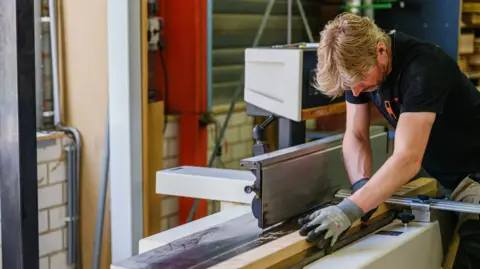
Safety has become a paramount concern in woodworking shops, and technology is playing an increasingly crucial role in protecting workers from serious injuries. Advanced sensor systems integrated into power tools can now detect when a operator's hand approaches a blade and immediately halt operation before contact occurs. These safety innovations have dramatically reduced the number of workplace accidents, giving shop owners and employees greater peace of mind as they work with potentially dangerous equipment. Real-time monitoring systems can also track tool maintenance schedules, ensuring that equipment remains in optimal working condition.
The implementation of dust collection and air quality management systems represents another critical technological advancement in modern woodworking. Sophisticated filtration systems now capture fine wood dust and particles before they become airborne, protecting workers from respiratory hazards while simultaneously improving workshop cleanliness. Dust control technology has become essential for regulatory compliance and worker health, with many modern systems incorporating real-time monitoring to alert operators when filters require cleaning or replacement. This proactive approach to air quality management has transformed workshop environments from dusty, hazardous spaces into relatively clean, professional facilities.
Design software specifically tailored for woodworking has revolutionized the planning and visualization phase of projects. Programs that allow craftspeople to create three-dimensional models of their designs help identify potential problems before any wood is cut, saving both materials and time. These design tools often integrate directly with CNC machines, creating a seamless workflow from digital conception to physical production. The ability to quickly iterate on designs and test different approaches virtually has accelerated innovation and expanded the creative possibilities available to woodworkers.
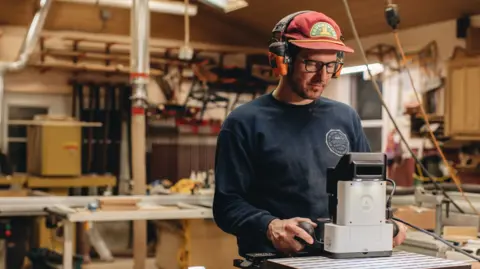
Smart measurement tools have similarly enhanced precision in woodworking projects. Laser measurement devices, digital calipers, and computer-assisted layout systems ensure that dimensions are captured with extreme accuracy, eliminating the cumulative errors that can result from traditional measurement methods. These tools are particularly valuable in custom furniture making and large-scale projects where tiny measurement discrepancies can compound into significant issues. The digital precision afforded by these devices has raised quality standards across the industry and enabled woodworkers to tackle increasingly complex and demanding projects.
The rise of digital fabrication tools extends beyond CNC machines to include laser cutters, 3D carving machines, and other specialized equipment. Laser technology enables detailed inlay work and precise decorative elements that would be extremely time-consuming to execute manually. Three-dimensional carving machines can reproduce intricate patterns and sculptural elements with consistent quality across multiple pieces. These tools have opened entirely new creative avenues for woodworkers, allowing them to merge traditional craftsmanship with contemporary design possibilities.
Workshop management software has also streamlined the business side of woodworking operations. Inventory tracking systems help shops monitor wood stock, hardware, and finishing materials, reducing waste and ensuring that projects never stall due to missing supplies. Project management tools allow teams to coordinate activities, track timelines, and maintain quality standards across multiple simultaneous projects. Customer relationship management systems help woodworking businesses maintain detailed records of client preferences and previous projects, enabling more personalized and efficient service.
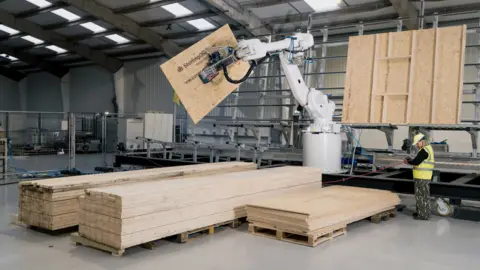
Despite these technological advances, many woodworkers emphasize that traditional craftsmanship remains at the heart of quality work. Technology serves as an enhancement and support system rather than a replacement for human skill and judgment. The most successful modern woodworking operations represent a synthesis of cutting-edge technology and time-honored techniques, where machines handle repetitive or precision-critical tasks while skilled craftspeople focus on design, finishing, and quality assurance. This balanced approach allows shops to maximize efficiency while maintaining the artistic integrity that defines exceptional woodworking.
Training and skill development have also been positively impacted by technological integration. Digital resources, online tutorials, and simulation software help new woodworkers learn fundamental techniques and advanced skills more efficiently than ever before. Virtual reality training programs are beginning to emerge, allowing trainees to practice dangerous operations in safe, simulated environments before working with actual equipment. This democratization of knowledge has made professional-level woodworking more accessible to aspiring craftspeople regardless of their geographic location or economic circumstances.
The environmental impact of technological advances in woodworking should not be overlooked. Precision cutting reduces material waste, while efficient dust collection systems minimize pollution. Advanced kiln technology allows for better moisture control during wood drying, reducing defects and waste. Many modern woodworking innovations also promote sustainable practices by enabling the use of reclaimed wood and salvaged materials more effectively. These environmental benefits align with growing consumer demand for sustainable and responsibly sourced products.
Looking ahead, the woodworking industry continues to evolve as emerging technologies find application in shops. Artificial intelligence is beginning to influence design optimization and quality control, analyzing patterns in wood grain and potential structural weaknesses. Internet of Things (IoT) devices enable remote monitoring of shop equipment, allowing for predictive maintenance and minimizing unexpected downtime. Augmented reality tools may eventually allow craftspeople to visualize finished products in clients' spaces before production begins, enhancing the design consultation process.
The transformation of woodworking through technology integration demonstrates how even deeply traditional crafts can benefit from modern innovations. By embracing these tools while maintaining respect for fundamental skills and artistic vision, woodworkers are creating a new era where precision meets artistry, efficiency meets quality, and safety meets productivity. As technology continues to advance, the woodworking industry will likely find even more ways to leverage these tools to create beautiful, durable, and sustainable products that honor both contemporary innovation and time-tested tradition.
Source: BBC News


