
How the Iran Conflict Could Impact Beverage Prices for Indian Consumers

As the war in Iran disrupts supplies of raw materials, Indian manufacturers of plastic and glass bottles are facing challenges that could drive up the costs of popular beverages like beer and bottled water.
The ongoing conflict in Iran is poised to have a rippling effect on Indian consumers, potentially driving up the prices of popular beverages such as beer and bottled water. Makers of plastic and glass bottles in India are grappling with the challenge of accessing essential raw materials, as the war in Iran squeezes global supplies.
The primary concern for Indian bottle manufacturers stems from the disruption in the supply chain of petroleum-based resins, a crucial component in the production of plastic bottles. Iran, a major global player in the petrochemical industry, has seen its exports of these materials significantly reduced due to the ongoing hostilities. This has created a scarcity in the market, forcing Indian companies to seek alternative sources, often at higher prices.
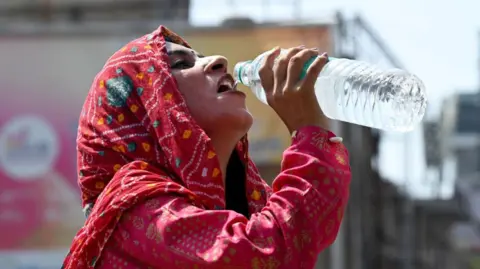
Similarly, the glass bottle industry in India is also feeling the pinch. The production of glass bottles relies heavily on soda ash, a key raw material that is commonly sourced from Iran. With the disruption in supplies, Indian manufacturers are scrambling to find alternative suppliers, often at increased costs.
The impact of these supply chain challenges is already being felt by Indian consumers. Industry experts anticipate that the prices of popular beverages, such as beer and bottled water, are likely to rise in the coming months as manufacturers pass on the increased costs to the end-users.
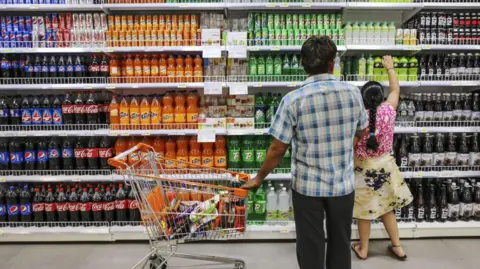
The situation is particularly concerning for the beer industry, which is already grappling with the aftermath of the COVID-19 pandemic. The closure of bars and restaurants during the lockdowns had a significant impact on beer sales, and the current supply chain disruptions could further exacerbate the industry's woes.
Bottled water manufacturers are also expected to face similar challenges, as the demand for safe and reliable drinking water remains high in India, especially in areas where access to clean tap water is limited.
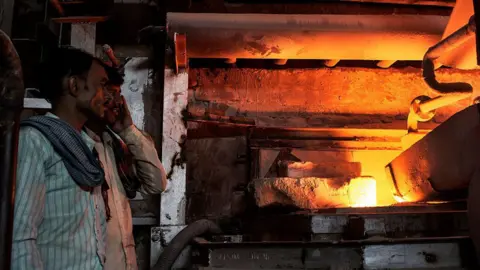
As the conflict in Iran continues to unfold, Indian consumers may have to brace for potential price hikes in their favorite beverages. The resilience of the Indian economy will be tested as it navigates these global supply chain disruptions, highlighting the interconnectedness of the modern world and the need for robust contingency plans to mitigate the impact of such external shocks.
Source: BBC News


