
How the Iran-Fueled Oil Crisis Challenges China's Energy Security

As oil prices surge due to the Iran-US conflict, Beijing's massive oil reserves and renewable energy transition face a critical test. Can China weather this global energy storm?
The escalating tensions between Iran and the United States have sent global oil prices soaring, posing a significant challenge to China's energy security and economic stability. With the disruption of oil supply from the Middle East, the world's second-largest economy is being put to the test, both in terms of its massive strategic petroleum reserves and its ongoing transition towards renewable energy sources.
China, the world's largest oil importer, relies heavily on the Middle East for a significant portion of its crude oil supply. The recent attacks on oil facilities in Saudi Arabia and the heightened risk of further disruptions in the region have stoked fears of a prolonged supply crunch, which could have severe consequences for the Chinese economy.
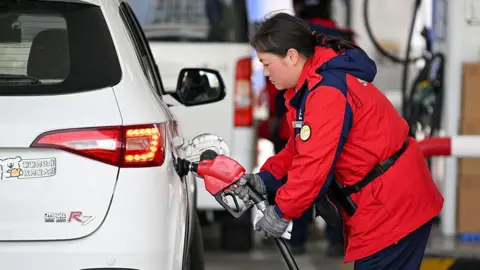
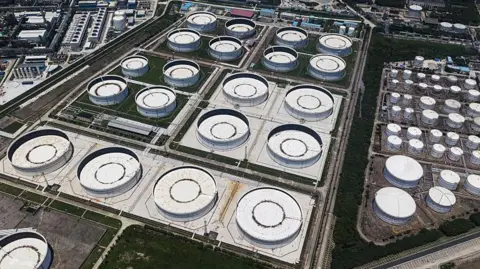
To mitigate the impact of the oil price surge, Beijing has been leveraging its massive strategic petroleum reserves, which are estimated to hold between 400 and 550 million barrels of crude oil. This stockpile, the largest in the world, is designed to help the country weather supply shocks and stabilize domestic energy markets.
However, the duration and severity of the current crisis have raised concerns about the sustainability of China's strategic reserves. If the conflict in the Middle East persists, the country may be forced to dip into its reserves more aggressively, potentially depleting them faster than anticipated.
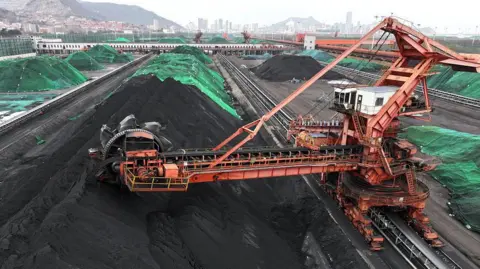
In parallel, China's ambitious renewable energy initiatives have become increasingly crucial in this volatile energy landscape. The country has emerged as a global leader in the production and installation of solar, wind, and hydroelectric power, with a goal of achieving 20% of its primary energy consumption from non-fossil fuel sources by 2030.
This transition, if accelerated, could help reduce China's reliance on imported oil and insulate its economy from the ripple effects of the Iran-US conflict. However, the pace of this shift remains a critical factor, as the country still heavily depends on coal and oil to power its industrial and transportation sectors.
As the global energy landscape continues to shift, China's ability to navigate the Iran-fueled oil crisis will have far-reaching implications, not only for its own economic stability but also for the broader geopolitical dynamics in the region and beyond. The country's strategic reserves and renewable energy push will be put to the test, shaping its long-term energy security and resilience.
Source: BBC News


