
How US Chaos Ripples Across the Globe: The Fallout of Trump's Iran Conflict

As the US recklessly escalates tensions with Iran, the global ripple effects are devastating. Explore how this conflict has disrupted energy supplies, economies, and daily life worldwide.
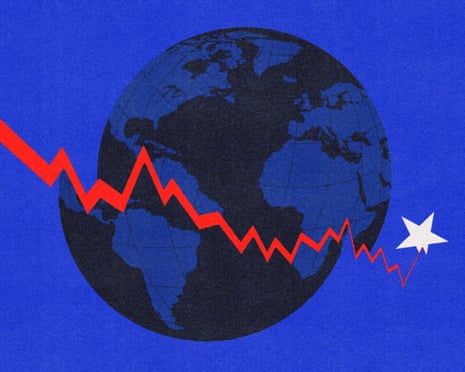
The US is recklessly spreading economic havoc among global friends and foes while suffering little harm itself. To shield ordinary citizens, governments around the world have been forced to take drastic measures to address the fallout from the crisis with Iran.
In India, the government has redirected supplies of liquefied gas, which is the main cooking fuel, away from the plastics industry and towards households. Meanwhile, the Nepalese government has rationed gas, and the Philippines has trimmed the government workweek to four days to save on energy costs.
These nations have been hardest hit by Iran's closure of the Strait of Hormuz, a critical global chokepoint for energy shipments. Economies in Asia import over a third of the energy they consume on average, with some countries like Korea and Japan relying on imports for four-fifths to nine-tenths of their energy needs, much of it from the Gulf region.
This dependence on Gulf energy has left these nations vulnerable to disruptions, and the current conflict has proven devastating. Bangladesh has closed universities and rationed fuel, while the global repercussions have extended even to the Philippines, where the government has implemented shorter work weeks to conserve energy.
The US, in contrast, has suffered little harm from the crisis it has provoked. As the global hegemon, Washington has been able to weather the storm, while the economic fallout has fallen disproportionately on its allies and adversaries around the world. This shift marks a departure from the US's historical role as a global guardian to one of an arbiter of chaos, prioritizing its own interests at the expense of international stability.
The ripple effects of the US-Iran conflict have been far-reaching, disrupting energy supplies, economies, and daily life across the globe. As the US pursues its own agenda, it has abandoned its responsibility as a stabilizing force, leaving its allies and adversaries alike to grapple with the consequences. This shift underscores the increasingly chaotic and unpredictable nature of US foreign policy, with the world paying the price for America's reckless actions.


