
How Virtual Photons Surprisingly Impact Superconductivity

Discover the unexpected influence of non-existent photons on superconductivity, revealing the strange consequences of quantum mechanics.
Quantum mechanics continues to unveil its mysteries, this time through the surprising effect of virtual photons on superconductivity. While this may not directly impact the superconductivity we care about in practical applications, it provides valuable insights into the fundamental workings of the quantum world.
Researchers have found a way to leverage superconductivity as a test bed for exploring some of the peculiar implications of quantum field theory, where even seemingly empty space is filled with fields that can influence the behavior of quantum objects. In this case, they've discovered that these virtual photons - particles of light that don't actually exist - can still exert a measurable effect on the properties of a superconductor.
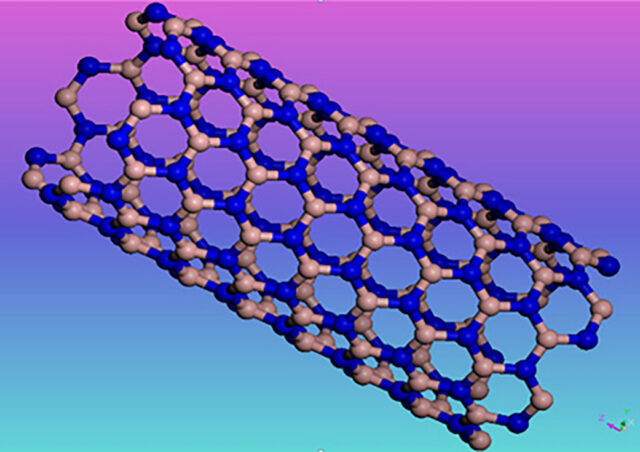
The story begins with the complex and often counterintuitive realm of quantum field theory. In this framework, different particles are understood as energetic excitations of various quantum fields permeating the universe. A photon, for example, is simply a manifestation of the electromagnetic field in an excited state.
Even in the apparent emptiness of space, these fields are always present, and they can interact with any quantum objects nearby. This includes virtual particles - fleeting, transient disturbances of the fields that pop in and out of existence, never fully materializing. While they may not be physically real, these virtual photons can still influence the behavior of superconductors in measurable ways.
The researchers have found a method to leverage this phenomenon, using the superconductor as a sensitive probe to detect the presence and effects of these virtual photons. By doing so, they hope to gain a better understanding of the fundamental mechanisms underlying superconductivity and the strange implications of quantum mechanics.
While this research may not directly impact the practical applications of superconductivity, it represents an important step in unraveling the mysteries of the quantum world. By exploring the unexpected interactions between virtual particles and macroscopic quantum systems like superconductors, scientists can continue to push the boundaries of our understanding of the universe at the most fundamental level.

As the field of quantum physics continues to evolve, discoveries like this one remind us that the quantum realm is full of surprises, challenging our intuitions and pushing the limits of our knowledge. By embracing these unexpected findings, researchers can uncover valuable insights that may one day lead to breakthroughs in both fundamental science and practical applications.
Source: Ars Technica


