
HP EliteBoard G1a Review: Desktop Power in Keyboard Form

HP's EliteBoard G1a transforms your workspace with integrated computing. Read our comprehensive review of this innovative desktop keyboard hybrid.
The HP EliteBoard G1a represents a fascinating departure from conventional computing architecture, merging processing power directly into a keyboard form factor. This innovative device has generated significant interest among enterprise technology professionals, though its practical applications may be more limited than one might initially assume. Understanding what this device offers and, more importantly, who it's truly designed for requires a deeper examination of its features, capabilities, and real-world use cases.
At its core, the EliteBoard G1a is fundamentally a complete computing system disguised as an ergonomic keyboard. Rather than serving as a peripheral device that connects to a separate tower or laptop, this unit houses the necessary components to function as a standalone desktop computer. The integrated design eliminates the need for additional hardware, reducing desk clutter and simplifying cable management. For organizations with strict space constraints or minimalist office environments, this consolidation of components into a single device presents a compelling value proposition that extends beyond mere aesthetic appeal.
The device features a keyboard design that maintains the tactile feedback and responsiveness expected from premium input devices, ensuring that users don't sacrifice typing experience for the sake of portability or space-saving innovation. The build quality reflects HP's commitment to durability in enterprise environments, with materials and construction standards that suggest longevity even under demanding office conditions. Users will find familiar mechanical elements and ergonomic considerations incorporated throughout the design, making extended work sessions reasonably comfortable.
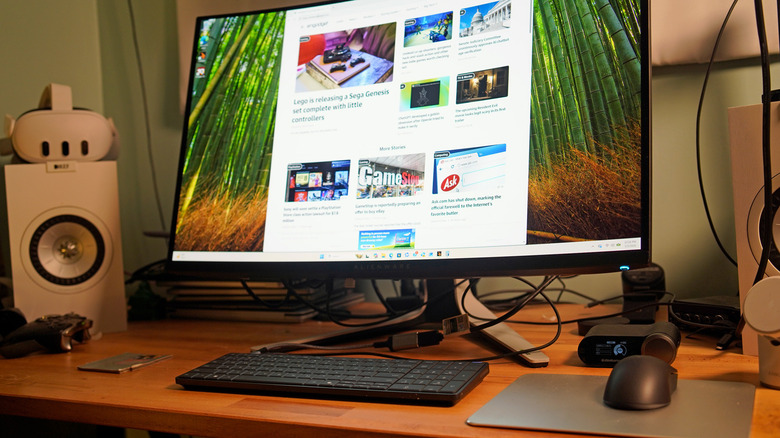
Performance specifications reveal that the EliteBoard G1a houses respectable processing capabilities, though enthusiasts expecting cutting-edge gaming or content creation prowess may find themselves disappointed. The integrated processor and memory configuration lean toward productivity-focused workloads rather than resource-intensive applications. This positioning makes perfect sense when considering the target demographic: enterprise customers, corporate IT departments, and organizations seeking to streamline their technology infrastructure. For standard office applications including email, word processing, spreadsheet management, and web browsing, the system delivers adequate performance without unnecessary overhead costs.
One of the most intriguing aspects of this integrated computing keyboard lies in its implications for IT department operations and management. System administrators can deploy, maintain, and support a significantly reduced number of hardware variants across their organization. Standardizing on a single form factor simplifies imaging, patching, and troubleshooting workflows. The consolidated design also reduces inventory complexity, as organizations no longer need to track separate keyboards, mice, towers, monitors, and cables. For IT managers overseeing large deployments, this streamlined approach translates into measurable efficiency gains and reduced operational overhead.
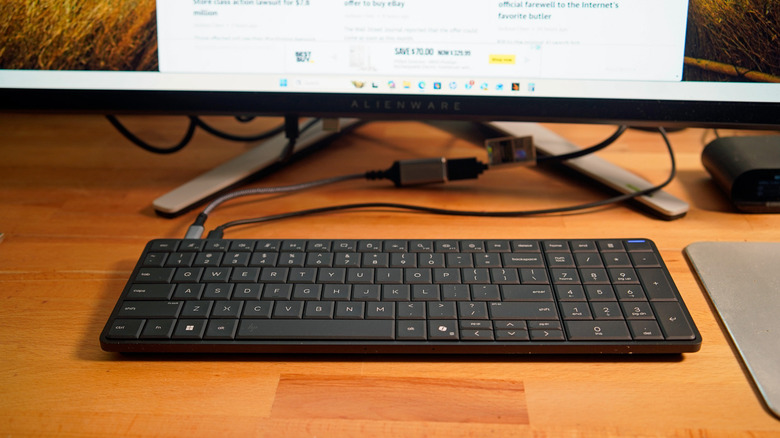
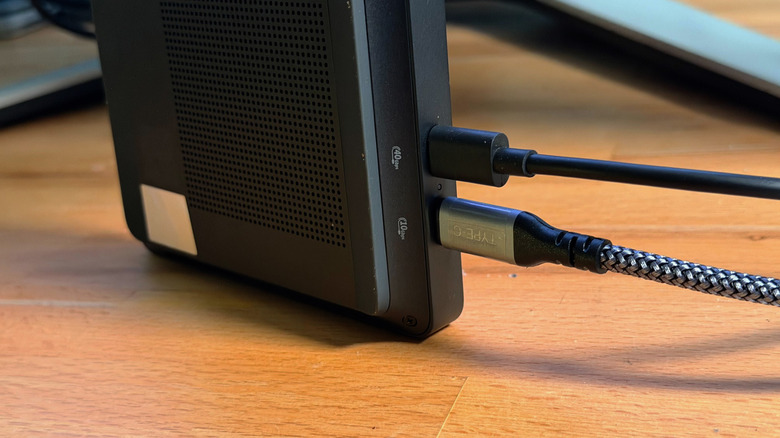
The connectivity options available on the EliteBoard G1a accommodate various peripheral requirements that modern workplaces demand. USB ports, video output connections, and audio capabilities integrate seamlessly into the overall design, allowing users to attach monitors, external storage devices, and specialized equipment as needed. This flexibility ensures that the device doesn't feel restrictive despite its unconventional form factor. Whether an employee needs to connect dual displays for complex data analysis or attach specialized equipment for their particular role, the system provides sufficient connectivity to accommodate diverse workplace scenarios.
Space efficiency represents perhaps the most obvious benefit of consolidating computing power into a keyboard-form device. In modern open office environments where real estate costs remain substantial, reducing the physical footprint of employee workstations yields tangible financial benefits. Organizations can implement more compact desk arrangements, potentially reducing overall office space requirements and associated overhead costs. This consideration becomes particularly relevant for enterprises with numerous employees or those managing expensive office locations in major metropolitan areas where square footage commands premium prices.
However, the EliteBoard G1a undoubtedly isn't for everyone, and recognizing this reality is crucial for potential buyers and decision-makers. Consumers accustomed to the flexibility of traditional desktop computers may find the integrated approach limiting. The inability to easily upgrade individual components—should processing demands increase or specific hardware fail—presents a significant consideration. Users requiring top-tier gaming experiences, video editing capabilities, or specialized 3D rendering work will find this device inadequate for their professional or recreational pursuits. The target audience remains firmly planted in the corporate and enterprise sector, not the consumer or prosumer market segments.
Pricing for the EliteBoard G1a positions it as a premium offering, reflecting the engineering complexity and manufacturing considerations required to create such an unconventional form factor. Organizations must weigh these costs against potential long-term savings from simplified management and reduced infrastructure requirements. For small businesses or startups operating under tight budget constraints, the initial investment may seem prohibitive. Conversely, large enterprises with significant IT management costs may discover that the aggregate savings justify the per-unit expense over the device's operational lifetime.
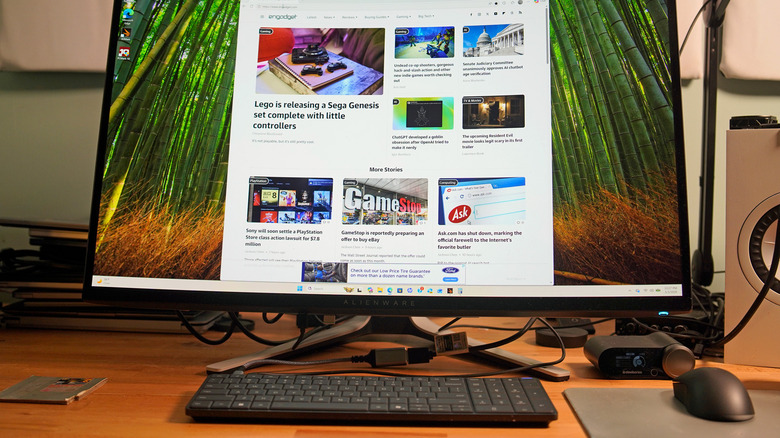
The enterprise IT manager perspective on the EliteBoard G1a remains overwhelmingly positive, despite its limitations for general consumers. IT professionals appreciate the simplified deployment models, reduced complexity in managing hardware inventory, and the potential for substantial efficiency gains in support operations. The device aligns well with modern IT best practices emphasizing standardization, simplified management, and reduced total cost of ownership across large-scale implementations. Companies that have invested heavily in these management approaches find the EliteBoard G1a particularly compelling as a strategic hardware choice.
Security considerations inherent to enterprise computing also favor consolidated systems like the EliteBoard G1a. With fewer separate components to monitor and secure, IT departments can implement more robust security protocols across their entire fleet. The centralized nature of the device makes firmware updates, security patches, and encryption implementations more straightforward and comprehensive. Organizations subject to regulatory compliance requirements often appreciate the simplified approach to maintaining security standards across their technology infrastructure.
The keyboard experience itself deserves careful consideration, as this remains the interface through which users interact with their computing system for the majority of their workday. HP has incorporated substantial research into the ergonomic design of the EliteBoard G1a, attempting to balance the innovative form factor with practical considerations for user comfort and productivity. The typing experience maintains acceptable standards, though some users accustomed to premium mechanical keyboards might note subtle differences in key response and travel. For standard business applications, however, most users will find the keyboard entirely satisfactory.
Looking toward the future, the EliteBoard G1a represents an interesting exploration of alternative form factors in computing. As organizations continue seeking ways to optimize office environments and simplify IT infrastructure, products like this integrated system may gain broader acceptance. The device serves as a proof of concept, demonstrating that innovative thinking about traditional computing arrangements can yield practical benefits for specific market segments. Whether this design approach becomes mainstream or remains a specialized solution for niche applications remains to be seen, but it undoubtedly represents a meaningful evolution in how companies think about workplace computing solutions.
In conclusion, the HP EliteBoard G1a excels in its intended purpose: providing IT-managed organizations with a simplified, space-efficient computing solution that reduces infrastructure complexity. It's genuinely impressive from an engineering standpoint and delivers real value to the corporate sector. Simultaneously, it's genuinely not designed for consumers, gamers, content creators, or anyone else outside the enterprise IT sphere. Understanding this distinction allows potential customers to make informed decisions about whether this innovative device aligns with their specific needs and organizational objectives.
Source: Engadget


