
HS2 Cost Soars to £102bn, Trains Delayed to 2039

UK government admits HS2 high-speed railway costs could reach £102.7bn with first trains delayed until 2039, 13 years behind original schedule.
The British government has delivered sobering news about the HS2 high-speed railway project, revealing that the ambitious infrastructure scheme faces a dramatic cost escalation and significant timeline delays. Transport Secretary Heidi Alexander announced that the HS2 costs could reach £102.7 billion in 2026 prices, representing a staggering £70 billion increase from initial estimates. The first trains operating between London and Birmingham will not commence service until as late as 2039, pushing back the original timeline by approximately 13 years and fundamentally reshaping expectations for this transformative national infrastructure initiative.
In a candid assessment of the situation, Alexander characterized the financial overruns as an "obscene increase" attributable to what she described as the "shocking legacy" left behind by the previous administration. This acknowledgment marks a significant moment in the political conversation surrounding HS2 project management, with the current government distancing itself from previous planning decisions while confronting the substantial challenges that have emerged during detailed project development and reassessment phases.
The truncated version of the railway, which has been substantially scaled back from its original ambitions to extend to Manchester, will not reach complete operational status until potentially 2043, according to government projections. This extended timeline means that major sections of the network will remain under construction for nearly two decades, with phased opening sequences that will gradually increase service coverage across the route. The revised schedule reflects the complexity of implementing such a large-scale infrastructure project while managing technical, environmental, and financial considerations.
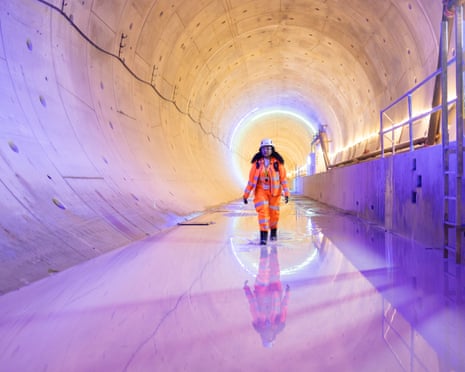
The £102.7 billion figure represents the first official government estimate provided in current 2026 prices, offering stakeholders and the public a more transparent understanding of what the completed railway system will ultimately cost. This comprehensive reassessment incorporates lessons learned from ongoing construction, refined geological and environmental surveys, and adjustments to specifications and safety requirements that were not fully anticipated during the original feasibility studies. The government's willingness to publicly acknowledge these figures, despite their staggering magnitude, suggests a shift toward greater accountability in large-scale public infrastructure projects.
The HS2 project has become emblematic of the challenges facing major infrastructure development in the modern era, where cost inflation, timeline extensions, and stakeholder management complexities create significant pressures on government budgets and public confidence. The original concept, unveiled years ago with promises of revolutionizing transportation between England's major cities, envisioned a high-speed rail network that would compete with aviation for intercity journeys and reduce carbon emissions through modal shift from road and air transport.
Environmental and geological challenges have proven more complex than initially assessed, with the project encountering unexpected subsurface conditions, protected species habitats, and archaeological sites that have required design modifications and additional mitigation measures. These factors have contributed substantially to both the cost escalation and the extended timeline, as engineers work to minimize environmental impact while maintaining engineering standards and safety requirements expected of modern rail infrastructure.
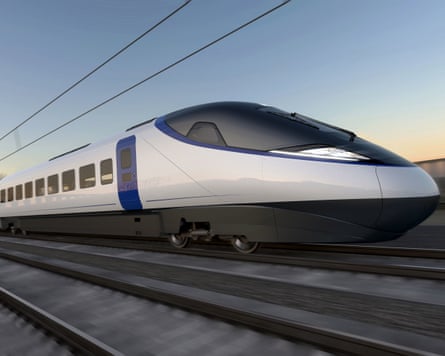
The scaling back of the original vision to exclude Manchester from the initial phase represents a significant strategic retreat from the project's original ambitions. Initially conceived as a full Y-shaped network connecting London to both Birmingham and Manchester, the revised scheme focuses on establishing the London-to-Birmingham core first, with Manchester connections deferred to a subsequent phase that may never be fully realized. This reduction in scope, while providing some cost control, has generated considerable criticism from northern constituencies who view the scaling-down as emblematic of regional inequality in infrastructure investment.
Industry experts and transport analysts have warned that the extended timeline poses risks to the project's economic viability and public support. With first services not commencing until 2039 at the earliest, the project will have consumed enormous political capital and public resources before delivering any tangible benefits to passengers. The multi-decade construction period creates ongoing disruption, environmental impacts, and maintenance challenges that must be carefully managed to preserve public acceptance of the initiative.
The financial implications of the revised estimate extend beyond the headline figure, as the government must consider ongoing financing arrangements, inflation indexation, and the opportunity costs associated with dedicating such substantial resources to a single transport corridor. Policymakers face difficult questions about whether alternative investments in road improvements, regional airports, or distributed rail upgrades might deliver greater overall benefits across the national transport network.
The HS2 government announcement has reignited debates about project governance, procurement processes, and the effectiveness of early-stage cost estimation for megaprojects. Transport experts have noted that such cost escalations are not unique to HS2, with similar patterns observed in major infrastructure projects internationally, suggesting systemic challenges in how governments plan, estimate, and execute large-scale development initiatives. The British experience with HS2 provides important lessons for future decision-making about major infrastructure commitments.
Looking forward, the government faces critical decisions about whether to proceed with the full project as currently envisioned, seek further cost reductions through design modifications, or fundamentally reassess the entire initiative. Political pressure from constituencies affected by construction, environmental organizations, and fiscal conservatives all contribute to the complex landscape surrounding the project's future direction. Transport Secretary Alexander's frank assessment suggests a willingness to confront these realities rather than maintain previous unrealistic projections.
The revised timeline and budget figures underscore the evolving nature of major infrastructure planning in the contemporary context, where climate considerations, technological changes, and shifting transportation patterns must be continuously reassessed. The government's commitment to delivering the HS2 railway scheme, despite escalating costs and delays, reflects persistent belief in the project's long-term strategic importance for national competitiveness and environmental objectives, even as practical implementation challenges mount significantly.
Source: The Guardian

