
Hungary's New PM Pledges Quick Release of Frozen EU Funds

Péter Magyar meets EU leaders in Brussels following his Tisza party's landslide election victory, signaling optimism about unfrozen EU funding for Hungary.
In a significant diplomatic development, Péter Magyar, Hungary's newly elected prime minister, traveled to Brussels for crucial meetings with European Union leaders, marking his first official visit to the bloc's headquarters since his Tisza party achieved a landslide election victory. The visit comes at a pivotal moment for Hungary-EU relations, as the nation seeks to resolve longstanding disputes that have resulted in substantial financial penalties from the European Union.
Magyar's trip to the Belgian capital represents a turning point in Hungary's political landscape, offering hopes of reconciliation between Budapest and Brussels after years of friction. The newly appointed premier used the platform to assure EU officials that the previously frozen funds would be released in the coming weeks, pending necessary compliance measures. This announcement carries significant weight, as the frozen allocations represent critical financial resources that could substantially impact Hungary's economic development and public services.
The Tisza party's election triumph signals a shift in Hungarian voters' preferences, with constituents expressing their desire for improved relations with the European Union. This electoral mandate provides Magyar with considerable political capital to implement reform initiatives that address the EU's longstanding concerns regarding democratic standards, judicial independence, and anti-corruption measures. The prime minister's confident rhetoric regarding fund disbursement suggests his government intends to take concrete steps toward compliance with European standards.
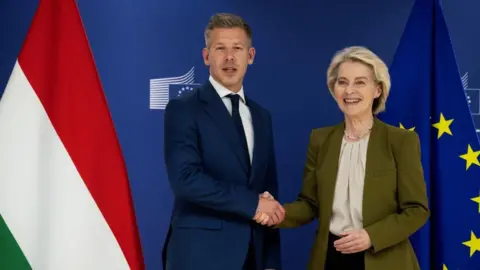
During his Brussels visit, Magyar engaged in comprehensive discussions with various EU institutional leaders, including representatives from the European Commission and the European Council. These high-level conversations focused on Hungary's path forward regarding regulatory reforms and the conditions necessary for the release of billions in EU funding. The meetings underscored the importance of Hungary's reintegration into the broader European framework and the mutual benefits of renewed cooperation.
The financial stakes involved are considerable, with Hungary facing potential losses of EU cohesion funds, recovery resources, and other allocated budgets due to persistent governance concerns. The frozen funds encompass multiple financial mechanisms, including those earmarked for infrastructure development, social programs, and economic stimulus initiatives. Magyar's commitment to expedited disbursement suggests his government recognizes the urgency of addressing these impediments to national prosperity.
Hungary's relationship with the European Union has been strained over the past several years due to concerns about judicial reform, media freedom, and democratic accountability. These issues prompted the EU to withhold funding and impose various sanctions, creating a complex negotiating environment. However, the election of the Tisza-led government indicates potential willingness among Hungarian voters to realign with European values and institutional frameworks.
Magyar's political background and campaign platform emphasized closer integration with Western Europe and improved governance standards. His victory reflects voter dissatisfaction with the previous administration's approach to EU relations and suggests an appetite for institutional reform. The prime minister's early diplomatic initiative demonstrates his commitment to translating electoral support into concrete policy outcomes that address European concerns.
The timeline for fund disbursement remains subject to verification of compliance measures and formal approval processes within EU institutions. Hungarian authorities will need to demonstrate progress on specific reform benchmarks that the European Commission has previously outlined. This includes strengthening judicial independence, enhancing anti-corruption mechanisms, and ensuring protection for fundamental freedoms including media autonomy.
Economic analysts suggest that the rapid release of previously frozen funds could provide substantial stimulus to Hungary's economy, supporting employment growth and infrastructure modernization. The injection of EU resources would likely accelerate development projects and strengthen public sector capacity. This economic dimension adds urgency to both Hungarian efforts to achieve compliance and EU motivations to facilitate Hungary's reintegration into the funding mechanisms.
The broader implications of Magyar's diplomatic mission extend beyond immediate financial considerations. His engagement with EU leaders signals Hungary's renewed commitment to multilateral institutions and rules-based governance frameworks. This positioning could influence Hungary's role in broader European strategic discussions, including matters related to security, defense cooperation, and economic policy coordination.
Political observers note that Magyar's election victory provides him with a mandate that could facilitate difficult reform measures domestically. The strong electoral support strengthens his negotiating position with both EU institutions and potentially skeptical constituencies within Hungary who might resist governance transformations. This political foundation is essential for implementing the institutional changes that Brussels has demanded.
The Tisza party's landslide victory represents a significant departure from recent Hungarian electoral trends, where support had become increasingly fragmented among numerous political movements. The consolidation of voter support behind a single pro-EU party indicates a potential realignment in Hungarian politics toward greater alignment with Western European institutions and values. This electoral shift could have lasting implications for Hungary's domestic and foreign policy trajectories.
Moving forward, the success of Magyar's initiative will depend on the pace at which his government can implement necessary reforms and the EU's willingness to facilitate fund disbursement as compliance measures are verified. The relationship between Budapest and Brussels will likely remain in focus for international observers monitoring developments in Central European politics and EU cohesion. The outcome of this diplomatic engagement could set precedents for how the EU approaches compliance issues with member states in future negotiations.
In conclusion, Péter Magyar's first Brussels visit as Hungary's prime minister marks a potentially transformative moment in Hungary-EU relations. His confident assurances regarding frozen fund disbursement, coupled with the electoral mandate his Tisza party received, suggest meaningful progress on longstanding disputes. While verification of compliance remains necessary, the political signals emanating from Budapest indicate genuine commitment to reforming governance structures and restoring Hungary's standing within the European Union framework.
Source: BBC News


