
Ian McKellen Returns to Stage as King Lear

Sir Ian McKellen makes triumphant theatrical comeback in Shakespeare's King Lear at London's newly rebuilt Yard Theatre following 2024 stage fall.
Ian McKellen is set to make a significant return to the theatrical stage, taking on the iconic role of King Lear in what marks his first major acting performance since suffering a serious fall during a West End production in 2024. This announcement represents both a personal triumph for the veteran actor and a major cultural moment for London's vibrant theatre scene, positioning the newly redeveloped Yard Theatre as a destination for world-class classical drama.
The celebrated actor will headline the opening season of the Yard Theatre in east London, an institution renowned for its commitment to experimental theatre and its collaborative approach with emerging theatrical talent. The theatre's decision to feature McKellen in such a prominent role underscores the venue's ambition to blend its innovative spirit with classical storytelling, creating a unique theatrical experience that bridges the gap between avant-garde production and Shakespearean tradition.
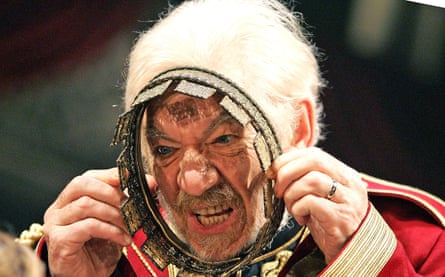
McKellen's previous experience with this particular Shakespeare tragedy cannot be overstated. The veteran performer has tackled the role of King Lear twice before with considerable critical success—first in 2007 and again in 2017—demonstrating his deep understanding of the complex character and his ability to bring fresh interpretations to classical material across different decades of his career.

The 2024 accident that prompted McKellen's withdrawal from Player Kings at the Noel Coward Theatre was a serious incident that temporarily sidelined the actor from his professional commitments. During the performance, McKellen fell from the stage directly into the first row of the audience, resulting in what he described as "agonising pains" that required medical attention and recovery time. The incident raised concerns about his ability to return to demanding physical roles, making this new engagement all the more meaningful as a demonstration of his resilience and continued dedication to his craft.
The recovery process following such a traumatic incident was substantial, and McKellen's decision to return with a role as demanding as King Lear speaks volumes about his commitment to his profession and his confidence in his physical and mental capacity to deliver a powerful performance. The role itself is notoriously challenging, requiring sustained emotional intensity and physical stamina throughout lengthy scenes, making it an ambitious but appropriate choice for a comeback performance.
The Yard Theatre has cultivated a reputation as a forward-thinking venue that champions innovative theatrical approaches while maintaining respect for classical texts. Located in east London, the theatre has become known for its DIY ethos, its willingness to take creative risks, and its strong partnerships with emerging artists and experimental companies. The venue's redevelopment represents significant investment in the local cultural infrastructure and positions it as an important player in London's contemporary theatre landscape.

This production of King Lear will serve as the flagship offering in the theatre's ambitious opening season, a vote of confidence in both McKellen's star power and his proven track record with Shakespearean roles. The pairing of McKellen's legendary status with the Yard Theatre's innovative approach promises to create a distinctive theatrical event that will attract audiences from across London and beyond, potentially drawing significant critical attention to the newly reopened venue.
The theatrical comeback narrative surrounding this production is particularly compelling in contemporary cultural discourse. McKellen's career has spanned decades and encompasses numerous iconic roles in theatre, film, and television, from his groundbreaking performances in Shakespeare's plays to his portrayal of Gandalf in The Lord of the Rings franchise. At this stage of his career, his decision to return to live theatre and to choose such a demanding role demonstrates an unwavering commitment to artistic excellence and a desire to continue challenging himself as a performer.
King Lear stands as one of Shakespeare's most profound explorations of human suffering, aging, and the loss of power. The title character's journey from kingly authority to desperate vulnerability provides actors with extraordinary material to showcase their emotional range and interpretive abilities. McKellen's previous interpretations of the role have been noted for their sensitivity to the character's psychological descent while maintaining a sense of tragic dignity throughout the ordeal.
The theatrical comeback also reflects broader conversations within the performing arts community about the importance of accessibility for aging performers and the value of continued artistic participation regardless of age or previous injury. McKellen's return sends a positive message about resilience and the human capacity to overcome physical setbacks, particularly relevant given the physically demanding nature of live theatrical performance.
The Yard Theatre's commitment to presenting this production signals confidence in the venue's ability to handle ambitious classical works while maintaining the experimental spirit that has defined its reputation. The theatre's redevelopment has clearly been designed to accommodate major theatrical productions while preserving the intimate, innovative atmosphere that has attracted audiences and artists to the space.
For audiences, the opportunity to witness McKellen's portrayal of King Lear at the newly rebuilt Yard Theatre represents a rare convergence of major theatrical talent, classical material, and innovative venue programming. The production promises to be one of the season's most anticipated theatrical events, drawing theatre enthusiasts eager to experience both McKellen's legendary performance skills and the Yard Theatre's distinctive approach to presenting classical drama.

This announcement marks an important moment for London's theatre scene, demonstrating that major classical productions continue to find homes in innovative venues while also celebrating the enduring power of Shakespearean drama to attract world-class talent and audiences.
Source: The Guardian


