
Impending Fuel Crisis: Shell CEO Warns Europe of Looming Shortages

Shell's chief executive cautions that Europe could face energy rationing as soon as next month if the Strait of Hormuz remains closed to oil and gas shipping.
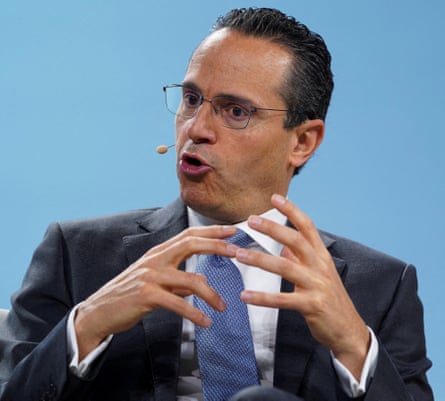
Europe could face energy shortages and fuel rationing as soon as next month without a reopening of the Strait of Hormuz, Shell's chief executive has warned. Wael Sawan, the boss of Europe's biggest oil company, stated that Shell is working with governments to help them address the oil and gas supply crisis, which has already led to energy rationing in Asian countries.
The closure of the Strait of Hormuz, a crucial shipping chokepoint for global oil and gas supplies, has significant implications for Europe's energy security. Sawan emphasized that the company is actively collaborating with policymakers to mitigate the potential disruptions to energy supplies that could occur if the situation in the region does not improve.

The Strait of Hormuz, located between the Persian Gulf and the Gulf of Oman, is a vital waterway for the global energy trade. Approximately one-fifth of the world's oil supply passes through this narrow passage, making it a strategically important chokepoint. Any disruptions to the flow of oil and gas through the strait could have far-reaching consequences, especially for European nations that rely heavily on imported energy resources.
Sawan's warning comes at a time when geopolitical tensions in the region have escalated, raising concerns about the potential for a military conflict that could further disrupt energy supplies. The ongoing tensions between Iran and the West, as well as the ongoing conflict in the region, have heightened the risk of a sudden closure of the Strait of Hormuz, which could have devastating effects on global energy markets.
Shell, as one of the world's largest integrated oil and gas companies, is closely monitoring the situation and working to ensure that it can continue to meet the energy needs of its customers, both in Europe and globally. The company's efforts to collaborate with governments and policymakers are aimed at developing contingency plans and alternative supply routes to mitigate the potential impact of a prolonged closure of the Strait of Hormuz.
The warning from Shell's CEO underscores the fragility of Europe's energy security and the critical importance of maintaining open and secure energy supply chains. As the world grapples with the ongoing geopolitical tensions and the potential for disruptions to global energy supplies, the need for a coordinated and proactive approach to energy security has never been more pressing.
The potential for fuel rationing in Europe, as outlined by Sawan, would have significant economic and social implications for the region. Households and businesses would likely face increased costs and disruptions to their daily operations, potentially leading to widespread economic disruptions. Governments would need to work closely with the energy industry to develop and implement effective rationing policies to ensure that essential services and vulnerable populations are adequately protected.
As the world continues to navigate the complexities of the global energy landscape, the warning from Shell's CEO serves as a stark reminder of the need for robust and resilient energy systems that can withstand the challenges posed by geopolitical tensions, supply chain disruptions, and other emerging threats to energy security.


