
Incredible Animals That Defy the Laws of Temperature

Explore the remarkable ability of certain animals to maintain stable body temperatures, even in extreme heat. Learn about the science behind this astonishing adaptation.
In 1774, British physician-scientist Charles Blagden received an unusual invitation from a fellow physician: to spend time in a small room that was hotter, he wrote, "than it was formerly thought any living creature could bear." Many people may have been appalled by this offer, but Blagden was delighted by the opportunity for self-experimentation. He marveled as his own temperature remained at 98° Fahrenheit (approximately 37° Celsius), even as the temperature of the room approached 200°F (about 93°C).
This ability to maintain a stable body temperature—known as homeothermy—is not limited to humans. In fact, it is a trait shared by myriad species of mammals and birds. However, there are also some notable exceptions. The fat-tailed dwarf lemur, for example, can experience fluctuations in its body temperature of nearly 45°F (25°C) over a single day.
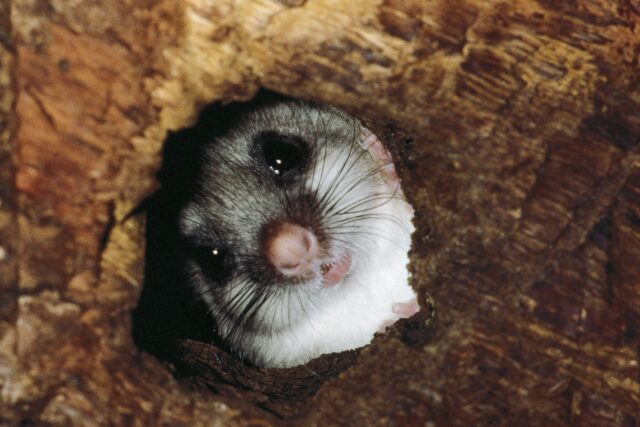
Homeothermy, or the maintenance of a relatively constant internal body temperature, is a remarkable evolutionary adaptation that has allowed many animals to thrive in a wide range of environments. This process, also known as thermoregulation, involves a complex interplay of physiological mechanisms that work to keep an organism's core temperature within a narrow optimal range.
One of the key players in this thermal regulation is the hypothalamus, a small region of the brain that acts as a thermostat, constantly monitoring and adjusting the body's temperature. When the hypothalamus detects a deviation from the ideal temperature, it triggers a cascade of responses to bring the body back into balance.
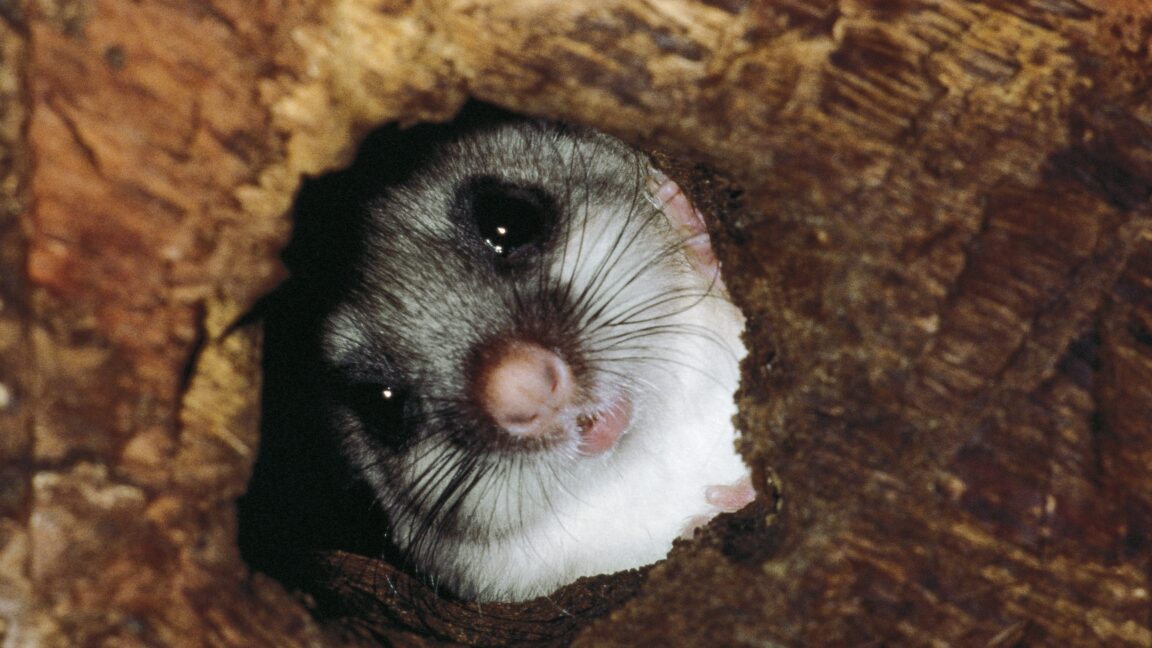
For example, if the body starts to overheat, the hypothalamus will signal the blood vessels to dilate, allowing more heat to dissipate through the skin. Sweating is another crucial mechanism, as the evaporation of sweat helps to cool the body. Conversely, if the body starts to cool down, the hypothalamus will trigger shivering to generate heat, and constrict blood vessels to retain warmth.
While most mammals and birds maintain a relatively constant body temperature, there are some fascinating exceptions that have evolved alternative strategies for dealing with thermal challenges. The fat-tailed dwarf lemur, for instance, is capable of entering a state of torpor, during which its body temperature can plummet by nearly 45°F (25°C). This adaptation allows the lemur to conserve energy during periods of food scarcity or harsh environmental conditions.

Other animals, such as certain species of birds and reptiles, have evolved the ability to regulate their body temperature through behavioral means, seeking out or avoiding specific microclimates to maintain an optimal thermal balance. This flexibility in thermoregulation has been a crucial factor in the survival and adaptation of many species throughout the history of life on Earth.
As we continue to explore the natural world, the remarkable thermal adaptations of various organisms remind us of the incredible diversity and resilience of life on our planet. From the self-experimenting Dr. Blagden to the temperature-fluctuating dwarf lemur, the study of how living beings control their body heat offers insights into the ingenious ways in which evolution has equipped different species to thrive in a wide range of environments.
Source: Ars Technica


