
India Fireworks Blast Kills 13 in Third Tragedy

A devastating fireworks explosion claims 13 lives in India, marking the second major blast in just three days. Industrial safety concerns escalate.
A catastrophic fireworks blast has claimed the lives of at least 13 people in India, marking the second major explosion at a firecracker manufacturing facility within a span of just three days. The tragic incident has reignited urgent discussions about workplace safety standards and regulatory oversight in the country's explosive materials industry, which operates with minimal supervision in many regions.
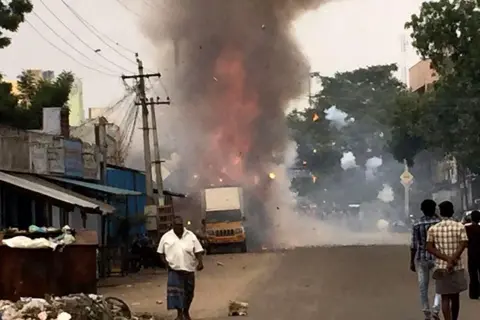
This devastating explosion occurred mere days after an even more deadly incident struck a neighboring state, underscoring the critical safety vulnerabilities that persist across India's fireworks manufacturing sector. The earlier blast at a firecracker factory in Tamil Nadu resulted in at least 25 confirmed deaths, making it one of the deadliest industrial accidents in the region this year. The rapid succession of these catastrophic events has alarmed safety officials and prompted immediate calls for comprehensive investigations and stricter enforcement of existing regulations.
The industrial explosion in the second facility sent shockwaves through the surrounding communities, with emergency responders working through the night to locate survivors beneath the rubble and debris. Rescue operations proved extremely challenging due to the chaotic nature of the blast site and the volatile materials involved. Medical teams established emergency treatment centers to handle the influx of injured workers and nearby residents, with several victims suffering severe burns and traumatic injuries requiring specialized care.
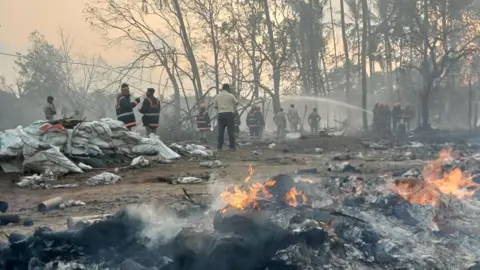
Eyewitnesses at the scene described a devastating explosion that occurred without warning, with survivors recounting the terrifying moment when the facility erupted into flames. The blast was so powerful that it could be heard from several kilometers away, alerting authorities to the emergency. Local residents rushed toward the facility to help in rescue efforts, forming human chains to pull survivors from the wreckage and assisting medical personnel with the injured.
The firecracker manufacturing industry in India has long been plagued by safety concerns, with many facilities operating in violation of established safety protocols. Workers, often from disadvantaged backgrounds with limited education, endure hazardous conditions for meager wages while handling highly volatile materials without adequate protective equipment. The lack of rigorous enforcement of safety standards by government agencies has allowed dangerous practices to proliferate unchecked across numerous facilities, particularly in states like Tamil Nadu and neighboring regions.
Prior to this week's catastrophic incidents, the Indian government had initiated several reviews of safety practices at fireworks facilities, yet implementation remained inconsistent and fragmented. The dual tragedies occurring in such rapid succession suggest that these efforts have proven insufficient in preventing workplace accidents. Safety experts have long warned that comprehensive overhauls of equipment, training protocols, and facility design are urgently needed to prevent future disasters.
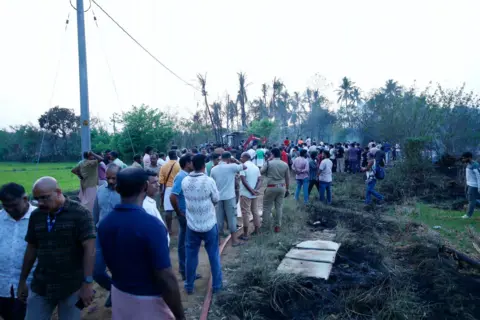
The second blast this week has intensified scrutiny on the regulatory bodies responsible for overseeing the industry, with critics questioning whether current inspection procedures and enforcement mechanisms are adequate. Government officials have pledged to conduct thorough investigations into both incidents to determine the specific causes and identify any systemic failures. Preliminary reports suggest that improper handling of raw materials and inadequate storage procedures may have contributed to the catastrophic chain of events, though complete findings await comprehensive forensic analysis.
Families of the deceased and injured workers have begun demanding accountability and compensation, staging protests outside government offices and demanding stricter regulation of the industry. Many of those killed were young workers, some of whom had been employed at the facilities for only brief periods, raising questions about worker training and orientation protocols. Advocacy groups have called for mandatory safety certifications for all employees handling explosive materials and regular third-party audits of facility compliance.
The twin disasters have cast a stark light on the human cost of inadequate industrial regulation, with the combined death toll from the two blasts exceeding 38 people in just 72 hours. The economic losses to the communities and disruption caused by these incidents extend far beyond the immediate fatalities, affecting entire families and local economies dependent on the fireworks industry. Insurance claims and compensation disputes are already beginning to pile up at government offices overwhelmed by the volume of cases.

International observers and labor rights organizations have weighed in, characterizing these incidents as symptomatic of broader workplace safety challenges throughout South Asia. The manufacturing sector in India faces widespread challenges related to enforcement of safety regulations, with many facilities operating in geographic regions with limited government infrastructure and oversight. Experts argue that modernization of equipment and implementation of automated safety systems could substantially reduce risks, though costs associated with such upgrades remain prohibitive for many smaller operators.
The firecracker explosions have also ignited broader discussions about India's approach to industrial development and the balance between economic growth and worker protections. While the fireworks industry contributes significantly to local economies and employment, the human toll of inadequate safety measures cannot be ignored or minimized. Moving forward, policymakers face mounting pressure to implement transformative changes that prioritize worker safety without unnecessarily stifling economic activity in the sector.
As investigations continue and recovery operations conclude, the full extent of the tragedy becomes increasingly apparent, affecting not only the immediate victims but also their dependents and the broader communities where these facilities operated. The two explosions serve as stark reminders of the dangers inherent in the fireworks manufacturing industry and the absolute necessity for comprehensive, enforceable safety standards that protect workers from preventable disasters. The coming weeks will be critical as authorities determine whether these incidents represent isolated failures or symptoms of systemic problems requiring immediate remedial action across the entire sector.
Source: BBC News


