
India Lynching: 20 Convicted After Six-Year Justice

Court finally convicts 20 people in 2018 India mob lynching case. Two men falsely accused of kidnapping children were killed in violent attack.
In a significant development for India's justice system, a court has delivered convictions against 20 individuals involved in a devastating mob lynching incident that claimed the lives of two innocent men in 2018. The prolonged legal battle, spanning nearly six years, represents both a victory for accountability and a sobering reminder of the dangers posed by false accusations and communal violence in the country. The case gained widespread attention due to its tragic circumstances and the time it took for justice to be served.
The incident unfolded when rumors began circulating within the community that two men were involved in kidnapping children. These unverified allegations quickly spread through word-of-mouth and social media channels, igniting public anger and fear. Without any official confirmation or investigation, community members took matters into their own hands, organizing a violent mob that descended upon the accused individuals. The tragic outcome of this vigilante justice underscores the dangers of acting on unsubstantiated claims and the vulnerability of innocent people to community violence.
The two victims, whose names and identities became central to this case, were subjected to brutal violence based entirely on false information. Local authorities and community leaders later determined that the kidnapping allegations were completely unfounded and had no basis in fact. Despite their innocence, the men paid the ultimate price for living in a region where rumor-fueled hysteria could override rational thinking and due process. Their families have had to endure years of grief compounded by the frustration of waiting for justice.

The investigation that followed the lynching was thorough but time-consuming, reflecting the complexities involved in prosecuting mob violence cases in India. Law enforcement officials had to identify individual perpetrators from among the crowd, gather evidence of their participation, and establish their intentions and actions during the incident. The challenge of proving individual culpability within a collective act of violence made the prosecutorial burden particularly heavy. Additionally, witnesses often proved reluctant to come forward, fearing retaliation from community members who supported or participated in the mob.
The legal proceedings that ensued took years to reach completion, with multiple court hearings, appeals, and procedural delays typical of India's overburdened judicial system. Defense attorneys argued various interpretations of their clients' involvement and intent, while prosecution witnesses provided testimony about what they had seen on the fateful day. The court had to carefully examine each piece of evidence to determine which defendants were present, who actively participated in the violence, and what specific role each played in the tragedy.
This case is emblematic of a broader pattern of communal violence incidents across India, where rumors—particularly those involving child safety—can rapidly escalate into dangerous mob actions. Similar incidents have occurred in different parts of the country, often with tragic consequences for innocent people who became victims of collective hysteria. The prevalence of such incidents has raised concerns among civil rights organizations about the need for better community education and more effective mechanisms to counter false information before it can incite violence.
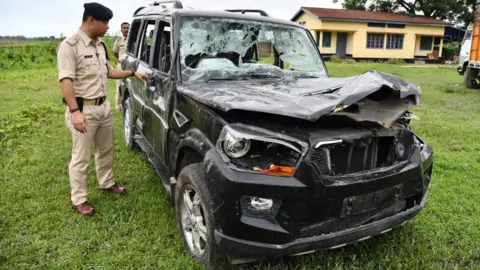
The conviction of 20 individuals represents a turning point in addressing mob lynching accountability in India. The court's decision to prosecute and convict participants sends a message that such violence will not go unpunished, regardless of the motivation or the false accusations that sparked the incident. However, experts note that convictions alone cannot undo the tragedy or fully restore justice to the victims' families, who have lost loved ones and endured years of trauma alongside legal proceedings.
The broader implications of this case extend to questions about how Indian society can better protect innocent people from the consequences of unverified rumors. Educational initiatives focused on critical thinking, responsible information sharing, and understanding the dangers of mob justice have become increasingly important. Community leaders, educators, and media outlets have begun efforts to promote a culture where allegations are treated with skepticism until properly investigated by competent authorities. These preventive measures aim to ensure that similar tragedies do not occur in other communities.
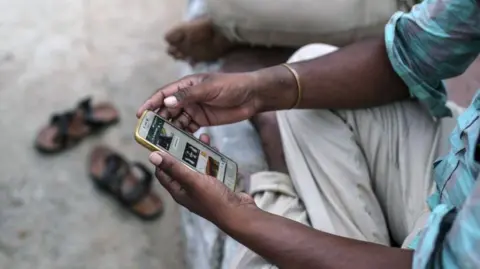
The case also highlights the role of misinformation and social media in amplifying rumors to dangerous levels. In the digital age, false claims can spread across entire regions within hours, reaching thousands of people who may not verify the information before forming opinions and taking actions. The 2018 incident predated India's most recent surge in social media use, but subsequent similar incidents have demonstrated how digital platforms can accelerate the dissemination of harmful rumors. Both technology companies and government agencies have been called upon to develop better safeguards against the spread of unverified allegations that could incite violence.
The long journey to justice for the victims' families reflects broader challenges within India's criminal justice system, including case backlogs, limited resources, and procedural complexities. While the recent convictions represent progress, the time taken to reach this point raises questions about how many other cases remain pending and whether the current system can handle such matters more expeditiously. Judicial reform advocates continue to push for improvements that would allow serious criminal cases to move through the courts more efficiently without compromising thoroughness or fairness to the accused.
As the convicted individuals face sentencing, the case serves as a cautionary tale about the power of rumors and the fragility of justice in communities where misinformation can spread unchecked. The victims' families can take some measure of solace in the fact that the perpetrators have been held accountable, but this comes after years of waiting and the permanent loss of their loved ones. The incident and its aftermath underscore the need for continued efforts to strengthen rule of law, promote media literacy, and build communities where baseless accusations do not trigger violent mob reactions.
The conviction of these 20 individuals marks an important moment in India's ongoing struggle to address communal violence and mob lynching. While one case has reached resolution, the underlying societal factors that enable such incidents—fear, mistrust, rapid information spread, and mob psychology—remain present in many communities across the nation. Future prevention will require sustained efforts from multiple sectors including law enforcement, education, civil society, and community organizations working together to create safer, more just communities.
Source: BBC News


