
India-Pakistan Ceasefire Holds One Year On

One year after military tensions, India and Pakistan maintain ceasefire despite frozen diplomacy and eroded trust between nations.
It has been precisely one year since India and Pakistan engaged in direct military confrontation, a pivotal moment that brought the South Asian neighbors to the brink of all-out warfare. While both nations have successfully maintained a ceasefire agreement along the Line of Control (LoC) and the International Border (IB), the underlying tensions that sparked the conflict remain unresolved, and diplomatic channels continue to languish in a state of unprecedented freeze.
The military conflict between these two nuclear-armed nations sent shockwaves across the region and captured international attention, prompting interventions from global powers concerned about regional stability. Military analysts and political observers have since reflected on how close the two countries came to escalating into a broader confrontation that could have destabilized the entire South Asian region. The ceasefire, while preventing further bloodshed, represents merely a pause in hostilities rather than a genuine resolution to the fundamental issues dividing the two nations.
Despite the absence of active fighting, the relationship between India and Pakistan has deteriorated in almost every other measurable dimension. Cross-border trade has been severely curtailed, with both nations maintaining restrictive policies that have harmed economic activity in border regions. Cultural exchanges that once facilitated people-to-people connections have virtually ceased, and diplomatic personnel remain minimal, with many embassy functions scaled back or suspended altogether.
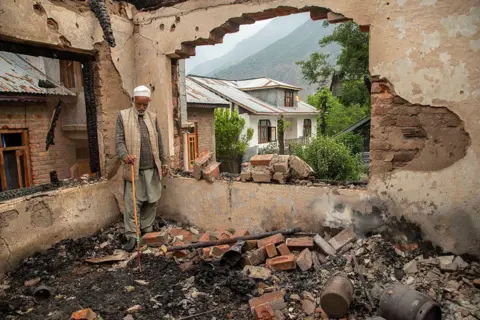
The ceasefire mechanism itself, negotiated through back-channel communications and mediated by international actors, has held through several potential flashpoints. Military commanders on both sides have reportedly coordinated to prevent accidental escalations, and both nations have demonstrated restraint when minor incidents have occurred. However, this technical adherence to ceasefire terms masks a deeper reality: the trust between Indian and Pakistani leadership has eroded to levels not seen in decades.
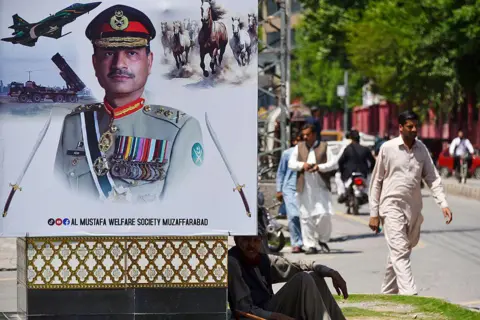
One of the most significant casualties of the past year has been diplomatic progress on substantive issues. Previous efforts to establish joint commissions, create dialogue channels, or pursue confidence-building measures have all been abandoned or frozen. Officials on both sides have adopted increasingly hardline public rhetoric, with political leaders using nationalist sentiment to consolidate domestic support. This has made it politically difficult for either side to make concessions or appear weak to their respective populations.
The regional security environment has been further complicated by broader geopolitical shifts and the involvement of external powers. China's assertive posture in the region and its close relationship with Pakistan has added another layer of complexity to India-Pakistan relations. The United States, which once served as a potential honest broker, has adopted more openly aligned positions that make its mediation role more challenging.
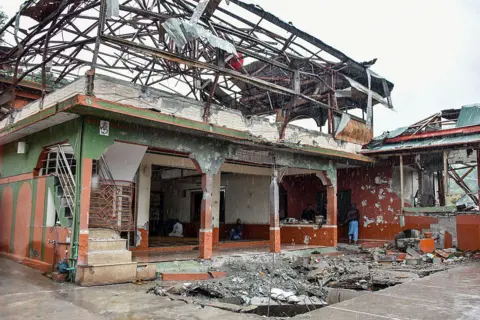
Economic indicators from both nations reveal the toll of continued hostility and the absence of normalized relations. Border regions that once thrived on cross-border commerce have seen their economies stagnate. Small and medium enterprises that depended on bilateral trade have been forced to seek alternative markets or cease operations entirely. Agricultural communities in border areas face particular hardship, as traditional trade routes and market connections have been severed.
The military dimension of the standoff continues to consume substantial resources from both nations' defense budgets. Neither country has significantly reduced its military mobilization along the border, and both have invested in enhanced surveillance systems, fortifications, and military infrastructure. This arms race dynamic, while not leading to renewed conflict, represents an enormous drain on resources that could be devoted to development and poverty alleviation.
Public opinion in both countries remains deeply divided and, in many cases, hardened against reconciliation. Surveys conducted by independent research organizations indicate that majorities on both sides hold negative views of the other nation, and support for military solutions to disputes has increased rather than decreased since the conflict. Young people, in particular, have grown up with hostility as the norm, making future peace-building efforts more challenging.
The humanitarian situation on the border has also deteriorated, with civilian casualties occasionally occurring despite the formal ceasefire. Families separated by the conflict remain unable to cross borders or maintain contact, adding a human dimension to the political impasse. Several international humanitarian organizations have raised concerns about the plight of these affected populations but have found their access to affected areas limited.
Looking forward, analysts offer mixed assessments of the likelihood of renewed conflict versus genuine reconciliation. Some argue that the economic costs and international pressure will eventually force both nations to negotiate seriously. Others contend that domestic political pressures and nationalist sentiment make any significant breakthrough unlikely in the near term. Most experts agree that without concrete steps toward confidence-building measures, the current frozen state could persist indefinitely, or eventually break down into renewed hostilities.
The international community has largely accepted the status quo, with major powers focused on their own strategic interests rather than promoting regional peace. The United Nations, which traditionally emphasizes Kashmir as a key dispute, has seen its influence wane as bilateral tensions have increased. Regional organizations like the South Asian Association for Regional Cooperation (SAARC) remain effectively defunct, unable to facilitate dialogue.
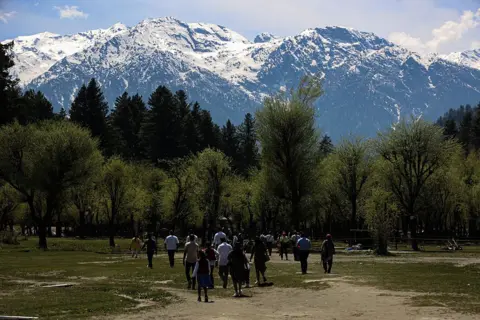
One year into this impasse, the fundamental question facing India-Pakistan relations remains unanswered: whether the ceasefire represents a stepping stone toward eventual dialogue and normalization, or merely a temporary respite before the cycle of tension resumes. The answer may depend on leadership transitions, shifts in domestic politics, or unforeseen external developments that could reset the dynamics of the relationship.
What is certain is that the status quo, while preventing outright war, is unsustainable in the long term. Both nations' populations deserve better than a permanent state of hostility, and the region would benefit immeasurably from genuine peace and cooperation. Until both governments demonstrate the political will to pursue substantive dialogue and address underlying grievances, the ceasefire will remain just that—a ceasefire, not a peace, and a temporary pause rather than a permanent resolution.
Source: BBC News


