
Indigenous Actor Sues James Cameron Over Avatar Character

Q'orianka Kilcher alleges director used her facial features without permission to create Neytiri character in Avatar franchise.
James Cameron and the Walt Disney Company are now facing significant legal scrutiny following a lawsuit that challenges the creative origins of one of cinema's most iconic characters. The suit, filed by Indigenous actor Q'orianka Kilcher, makes the bold claim that the acclaimed director based a central character in the Avatar franchise on her likeness without obtaining proper consent or permission. This legal action raises important questions about creative attribution, intellectual property rights, and the responsibilities of filmmakers when drawing inspiration from real individuals, particularly those from marginalized communities.
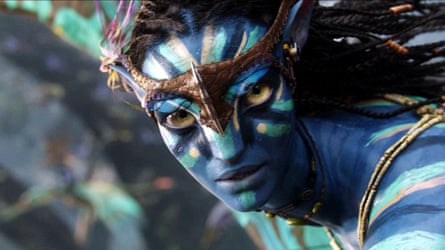
According to the lawsuit documents, Kilcher alleges that Cameron extracted her facial features and subsequently instructed his design team to model the character of Neytiri directly on her physical appearance. The suit contends that Cameron became aware of the young actor after viewing her photograph in an LA Times advertisement promoting Terrence Malick's acclaimed 2005 film The New World, in which Kilcher delivered a notable performance as Pocahontas. The film featured an impressive ensemble cast that included prominent actors such as Colin Farrell and Christian Bale, and marked an important early credit in Kilcher's career as a performer of Native descent working in mainstream Hollywood productions.
Kilcher's assertion centers on the claim that Cameron's design process involved a deliberate replication of her distinctive facial characteristics to bring the Na'vi character to life. The lawsuit suggests that rather than creating an entirely original character design, Cameron's team used Kilcher's appearance as a template for the visual development of Neytiri, one of the most crucial and visually memorable characters in the Avatar universe. This allegation carries significant implications for how creative teams approach character design in major film productions and whether proper attribution and compensation should be provided when real individuals serve as the basis for fictional characters.

The Avatar franchise has become one of the most commercially successful and culturally impactful film series in cinema history. Since the release of the original Avatar film in 2009, the franchise has generated billions of dollars in revenue globally and has established itself as a benchmark for technological innovation in filmmaking. The character of Neytiri stands as one of the most visually striking and emotionally resonant figures in the series, serving as a primary love interest and crucial ally to the protagonist. Given the character's prominence and the massive success of the films, questions about her design origins carry substantial weight in terms of potential compensation and recognition for Kilcher.
Q'orianka Kilcher, who holds Native Peruvian heritage, has established herself as an advocate for Indigenous representation in Hollywood and has been vocal about the challenges faced by actors of Indigenous descent in securing meaningful roles in major film productions. Her decision to pursue legal action against Cameron and Disney represents a significant moment in ongoing conversations about attribution, consent, and fair treatment of Indigenous talent in the entertainment industry. The lawsuit underscores broader concerns about how Hollywood has historically borrowed from and profited off Indigenous aesthetics and cultural elements without appropriately crediting or compensating the communities and individuals who inspire such work.
The lawsuit raises several complex legal and ethical questions that extend beyond the specific dispute between Kilcher and Cameron. Entertainment law experts have noted that cases involving alleged unauthorized use of a person's likeness or distinctive features can be particularly complex, especially when dealing with digital characters and extensive creative interpretation. The distinction between drawing inspiration from a real person and unlawfully appropriating their identity remains a contentious area of legal debate. Courts must balance the creative rights of filmmakers to develop original work with the personal rights of individuals not to have their appearance or likeness used without permission or proper compensation.
James Cameron's response to the allegations and the specifics of how the design team actually developed the Neytiri character will likely be crucial in determining the outcome of this legal proceeding. The director has built a reputation as a visionary filmmaker who pushes the boundaries of technological innovation and cinematic storytelling. However, this lawsuit challenges him to address questions about the creative process behind one of his most celebrated character creations and whether proper protocols were followed regarding attribution and consent during the development stages of the Avatar films.
The Avatar franchise continues to expand with multiple sequels in various stages of development and release. The commercial stakes surrounding these films are enormous, and any legal complications or reputational concerns could potentially impact the franchise's future trajectory. Additionally, the resolution of this case may set important precedents for how future film productions handle character design inspiration, particularly when that inspiration is drawn from identifiable individuals. Industry observers suggest that the outcome could influence how major studios approach attribution and consent procedures in their creative development processes going forward.
Kilcher's legal action also reflects a broader cultural moment in which questions of cultural appropriation, proper credit, and fair compensation have become increasingly prominent in entertainment discourse. Indigenous artists and performers have consistently advocated for greater recognition and respect regarding how their images, stories, and cultural elements are utilized by major media corporations. This lawsuit provides a concrete example of these ongoing tensions between creative freedom, commercial interests, and the rights of individuals and communities whose work or appearance serves as inspiration for major cultural products.
The case will likely attract significant attention from both the entertainment law community and broader audiences interested in issues of representation and fairness in Hollywood. Observers will be watching closely to see how the courts approach the question of whether Cameron's creative team violated Kilcher's rights by using her facial features as a reference for character design without permission or compensation. The outcome could establish important legal precedents regarding the use of real individuals' physical characteristics in digital character creation, an increasingly relevant issue as technology advances and digital filmmaking becomes more sophisticated.
Moving forward, this lawsuit serves as a reminder of the importance of transparency, consent, and proper attribution in the filmmaking process, particularly when creative decisions are influenced by real individuals. Whether the courts ultimately find in favor of Kilcher or Cameron, the case represents a significant moment in ongoing conversations about fairness, representation, and appropriate recognition within the entertainment industry. The resolution will likely have implications extending far beyond this specific dispute, potentially shaping how Hollywood studios approach character design, attribution, and compensation practices in future major film productions.
Source: The Guardian


