
Indonesia Recognizes Domestic Workers After 22-Year Fight

Indonesia finally grants legal recognition to 4.2 million domestic workers, mostly women, after more than two decades of activism and advocacy efforts.
In a historic milestone for workers' rights in Southeast Asia, Indonesia has officially granted legal recognition to domestic workers following an arduous 22-year campaign by labor advocates, civil society organizations, and the workers themselves. This landmark decision represents a significant victory for millions of individuals who have long operated in a legal gray zone, lacking basic protections and formal acknowledgment of their employment status.
The country is home to approximately 4.2 million domestic workers in Indonesia, with nearly 90% of this workforce comprised of women. These workers have historically faced substantial challenges, including wage theft, workplace abuse, inadequate working conditions, and minimal access to legal recourse when disputes arise. The lack of formal recognition meant that domestic workers were essentially invisible to the law, operating without contracts, health insurance, pension benefits, or other standard employment protections that workers in other sectors take for granted.
The journey toward legal recognition for domestic workers has been marked by persistent advocacy from various organizations dedicated to labor rights. Activists have consistently highlighted the vulnerability of women domestic workers, who often endure exploitation due to the private nature of household employment and societal attitudes that undervalue domestic labor. These advocates have worked tirelessly through multiple administrations and legislative cycles to push for formal recognition and protective legislation.
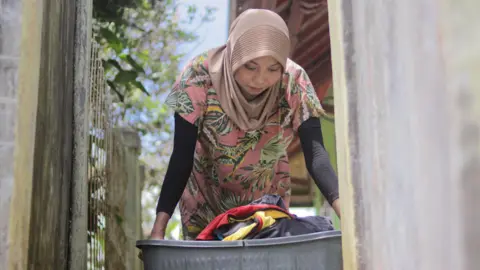
The recognition of domestic workers carries profound implications for labor standards throughout Indonesia and potentially across the broader Southeast Asian region. By formally acknowledging these workers within the legal framework, the government has created pathways for establishing minimum wage requirements, standardized working hours, mandatory rest days, and safe working conditions. This development signals a shift in how Indonesia views the value and dignity of domestic labor, traditionally perceived as unskilled or informal work despite requiring considerable skill and responsibility.
Women make up the overwhelming majority of Indonesia's domestic workforce, making this domestic worker recognition particularly significant for gender equality and women's economic rights. Female domestic workers have historically encountered compounded discrimination based on both their gender and their occupation. The legal recognition opens opportunities for women to negotiate better terms, report abuses without fear of losing employment or facing deportation, and access dispute resolution mechanisms if conflicts arise with employers.
The implementation of this legal framework will require substantial institutional development. Indonesia must establish enforcement mechanisms, create complaint procedures that are accessible to domestic workers, develop training programs for labor inspectors, and educate both employers and workers about their new rights and responsibilities. The government has indicated its commitment to rolling out these supporting structures in phases, beginning with the most critical protections.
The 22-year struggle that preceded this recognition reflects the complexity of implementing labor reforms in a country with a significant informal economy. Indonesian labor rights advocates have worked within democratic processes, leveraging international labor standards, constitutional provisions, and persistent public awareness campaigns. International organizations including the International Labour Organization (ILO) have also provided support and technical assistance throughout this process, helping to align Indonesian standards with international conventions.
This recognition addresses a gap that has existed despite Indonesia's ratification of various international labor conventions. While the country had committed to protecting workers' rights through international agreements, domestic workers remained largely outside the scope of national labor law. The new framework aims to rectify this inconsistency by extending protections that other workers have long enjoyed to the domestic sector, ensuring more equitable treatment across employment categories.
The implications extend beyond Indonesia's borders, as the country sets a regional example for how emerging economies can formalize and protect informal workforce sectors. Other Southeast Asian nations with significant domestic worker populations may look to Indonesia's approach as they consider their own policies. The recognition also strengthens Indonesia's position on the international stage regarding labor rights and workers' protections, demonstrating responsiveness to civil society demands and international standards.
Implementation challenges remain considerable. Many domestic workers operate in rural areas with limited access to government services, education about their new rights, or mechanisms for reporting violations. The private nature of domestic employment means that monitoring working conditions will prove more difficult than in factory or office settings. Additionally, changing employer attitudes and behaviors will require sustained effort, public education campaigns, and consistent enforcement of new regulations to ensure compliance across the country's diverse regions.
The recognition also creates opportunities for formalization of the domestic worker sector, potentially allowing workers to build verifiable employment histories, access credit, and participate more fully in the formal economy. With proper documentation and legal status, domestic workers may be able to access training programs, childcare assistance, and other social benefits that can improve their economic security and mobility. This formalization could have ripple effects throughout Indonesian society, as domestic workers gain more stable employment and economic power.
Labor organizations and civil society groups have praised the government's decision while emphasizing that recognition is only the first step. These groups are now focused on ensuring robust implementation, adequate funding for enforcement mechanisms, and protection against potential pushback from employers resistant to new requirements. They plan to continue monitoring compliance and advocating for strengthening of protections where gaps emerge during the implementation phase.
The 22-year journey to domestic worker legal status in Indonesia demonstrates the power of sustained advocacy and the importance of protecting vulnerable populations in the workforce. As the country moves forward with implementation, the success of this initiative will depend on commitment from government agencies, cooperation from employers, awareness among workers themselves, and ongoing support from civil society. This recognition represents not just a policy change, but an affirmation that domestic workers deserve the same respect, protections, and legal recognition as any other category of worker in the nation's economy.
Source: BBC News


