
Indonesia Train Collision: Rescuers Battle to Save Trapped Survivors

Two trains collided near Jakarta leaving at least 14 dead. Rescue teams work urgently to extract survivors from the wreckage of this devastating Indonesian railway accident.
A devastating train collision occurred on the outskirts of Jakarta, Indonesia's bustling capital city, on Monday, resulting in at least 14 confirmed fatalities and leaving numerous others injured. The accident has prompted an urgent and intensive rescue operation as emergency responders work tirelessly to locate and extract survivors from the twisted metal wreckage of both trains involved in the catastrophic incident.
The collision between the two trains has been described as one of the most serious railway accidents to occur in Indonesia in recent years. Initial reports indicate that the impact was severe enough to cause significant structural damage to both locomotive units and several passenger cars, trapping an undetermined number of individuals within the mangled debris. Emergency services mobilized immediately to the crash site, deploying rescue teams equipped with specialized equipment designed for emergency extraction operations.
Rescue workers have established a coordinated response effort involving multiple agencies and thousands of personnel working around the clock. The focus remains on identifying the exact number of people still trapped within the wreckage and determining the best methods to safely extract them without causing additional injuries. Medical teams have been positioned at the scene to provide immediate medical assistance to survivors as they are freed from the debris.
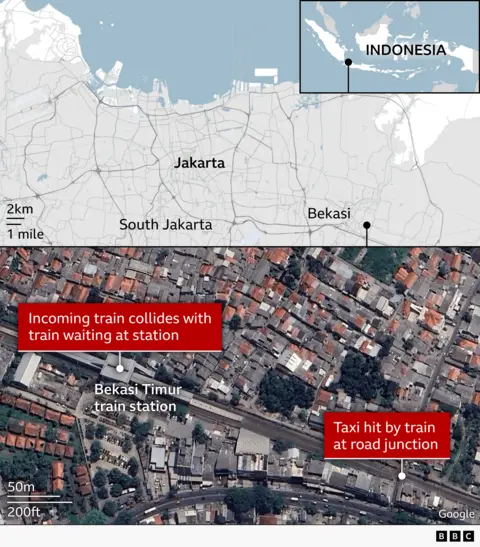
The circumstances surrounding what caused the two trains to collide are still under investigation by Indonesian transportation authorities and accident investigation specialists. Preliminary findings suggest several factors may have contributed to the disaster, though officials have cautioned against drawing conclusions until a comprehensive examination of the evidence is completed. Eyewitness accounts from survivors and nearby residents are being gathered to help reconstruct the sequence of events leading up to the collision.
The survivors who have been pulled from the wreckage report experiencing significant trauma from the impact and subsequent injuries sustained during the crash. Medical facilities in the Jakarta area have been placed on high alert to accommodate the influx of injured victims requiring urgent medical care. Hospital staff are working in coordination with rescue teams to triage patients based on the severity of their injuries and medical needs.
Families of passengers who were aboard the trains have gathered at designated assistance centers where officials are providing updates on the ongoing rescue efforts and casualty information. The Indonesian government has expressed its condolences to the families of those killed and pledged full support for the investigation and recovery operations. Government officials have emphasized the importance of determining the root causes of this tragedy to prevent similar incidents from occurring in the future.
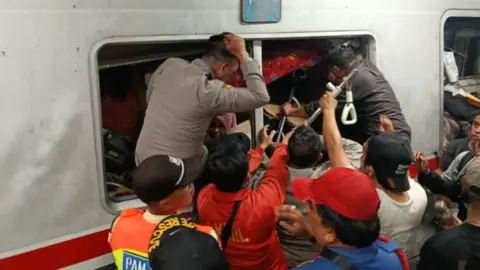
This railway disaster has raised concerns about the safety infrastructure and operational standards of Indonesia's extensive rail network. Transportation experts and safety officials are already beginning preliminary discussions about what measures might be necessary to strengthen safety protocols and prevent future collisions. The incident has prompted reviews of signaling systems, communication procedures, and scheduling practices across various rail routes throughout the country.
The rescue operation is expected to continue for several more days as teams work methodically through the wreckage searching for any remaining survivors and recovering the deceased. Heavy machinery has been brought to the site to carefully remove sections of the damaged trains while maintaining structural stability and ensuring the safety of rescue workers operating in the hazardous environment. Each action is being taken with careful deliberation to maximize the chances of finding people alive.
International assistance has been offered to Indonesia by neighboring countries and international organizations specializing in disaster response. While Indonesian authorities have indicated they have sufficient resources to manage the current situation, they remain open to accepting specialized equipment or expertise that could enhance their rescue efforts. The global community has expressed solidarity with Indonesia during this tragic time.
The identity of the deceased victims is being verified through DNA testing and personal identification procedures to ensure accurate notification of next of kin. This process, while essential for grieving families, requires time and meticulous attention to detail to prevent tragic errors. Authorities have established a family assistance center where relatives can receive counseling support and information about their loved ones.
Investigations into the cause of the collision will examine multiple factors including weather conditions at the time of the accident, maintenance records of both trains, staff fatigue levels, and the functionality of safety systems. Black box data recorders, if present on the trains, will be analyzed to provide technical insights into what occurred during the final moments before impact. This comprehensive investigation will likely take several weeks to complete.
The impact of this tragedy extends beyond the immediate loss of life, affecting the emotional well-being of survivors, rescue workers, and the broader community. Mental health professionals have been mobilized to provide support to those affected by this traumatic event. Railway workers and first responders are also receiving support to help them process the difficult scenes they have witnessed during the rescue operation.
This tragic event serves as a stark reminder of the importance of robust safety measures in transportation systems that carry thousands of passengers daily. The outcome of the investigation into this collision will likely shape future policy decisions regarding rail safety standards, operator training requirements, and infrastructure improvements across Indonesia and potentially influence other nations' approaches to railway safety as well.
Source: BBC News


