
Indonesia Volcano Erupts: 3 Dead, 10 Missing

Mount Dukono eruption kills three hikers including two foreigners on Halmahera island. Ash cloud reaches 10km high as rescue efforts continue.
Mount Dukono, one of Indonesia's most active volcanoes, unleashed a powerful eruption in the early morning hours, triggering a catastrophic sequence of events that has left the hiking community and local authorities scrambling for answers. The volcanic eruption claimed the lives of three individuals and left another 10 unaccounted for in the treacherous terrain surrounding the mountain. Two of the deceased victims were identified as foreign nationals, while the third was confirmed to be a resident of the nearby Ternate island, according to initial reports from regional authorities.
The eruption at this active volcano on Indonesia's eastern Halmahera island was particularly violent, sending an enormous ash column approximately 10 kilometers, or roughly 6 miles, straight into the atmosphere. Erlichson Pasaribu, who serves as the police chief of North Halmahera district, confirmed the death toll during a statement to local news outlet Kompas TV, noting that "there are three dead, two foreigners and one resident of Ternate." This tragic incident underscores the inherent dangers that hikers and mountaineers face when exploring Indonesia's volcanically active regions.
The timing of the eruption, occurring during the early morning hours when many hikers were likely on or near the mountain, significantly increased the danger and made rescue and recovery operations considerably more challenging. The widespread dispersal of ash and volcanic debris across the surrounding landscape has complicated ongoing search and rescue efforts for the 10 missing individuals. Emergency response teams have been mobilized to the affected areas, working tirelessly despite the hazardous conditions created by the ongoing volcanic activity and unstable terrain.
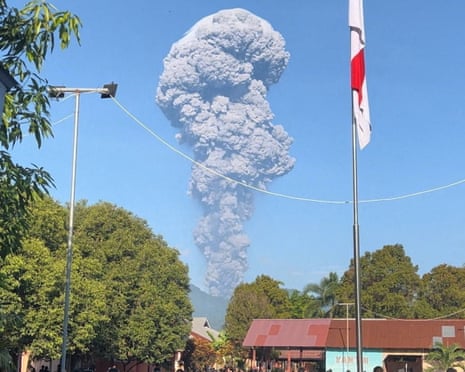
Mount Dukono, located on Halmahera island in the North Maluku province of Indonesia, is situated in a region known for its intense seismic activity and geological instability. The volcano has maintained a status of continuous activity for many years, making it one of the most consistently active volcanoes in the Indonesian archipelago. This particular eruption represents a significant escalation in volcanic activity, with the ash column's height and intensity suggesting a considerable release of energy from the volcano's interior.
The identification of two foreign nationals among the casualties raises international concerns and may prompt diplomatic inquiries from their respective countries. The names and nationalities of the deceased foreigners have not yet been publicly disclosed, pending notification of next of kin and formal identification procedures. Local authorities are working in coordination with international agencies to ensure proper protocols are followed and accurate information is disseminated regarding the incident.
Search and rescue operations in the aftermath of a volcanic eruption of this magnitude face numerous obstacles and hazards that complicate the efforts of rescue teams. The unstable volcanic landscape, ongoing gas emissions, and potential for additional eruptions pose serious risks to personnel attempting to locate and recover the missing hikers. Authorities have had to balance the urgency of finding survivors with the critical need to protect rescue workers from volcanic hazards and environmental dangers.
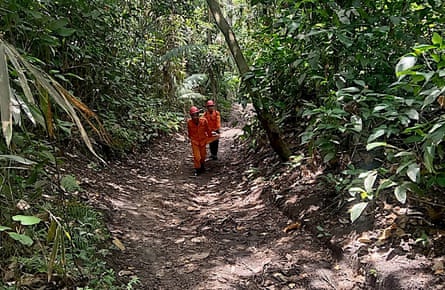
The local communities on Halmahera island and neighboring regions have been mobilized to assist in the search efforts, with residents providing crucial information about the missing hikers and the conditions they may have encountered. Community members familiar with the terrain and local geography have been instrumental in directing rescue teams to likely search areas and helping coordinate ground-based search operations. The solidarity and rapid response from local populations demonstrate the strong community ties and mutual support systems present in these Indonesian island communities.
Indonesia's geological position along the Pacific Ring of Fire makes it one of the world's most seismically and volcanically active regions, with numerous active volcanoes scattered throughout the archipelago. Mount Dukono is just one of many volcanic mountains that pose ongoing hazards to residents and visitors. The country regularly experiences volcanic eruptions, earthquakes, and related natural disasters, requiring well-established monitoring systems and emergency response protocols to protect its population.
The monitoring and assessment of volcanic activity is conducted by Indonesia's Center for Volcanology and Geological Hazard Mitigation, which maintains continuous surveillance of the nation's active volcanoes. These institutions provide crucial early warning systems and scientific analysis to help predict volcanic behavior and inform evacuation decisions. The data collected from monitoring stations helps scientists understand volcanic patterns and potentially forecast future eruptions with greater accuracy.
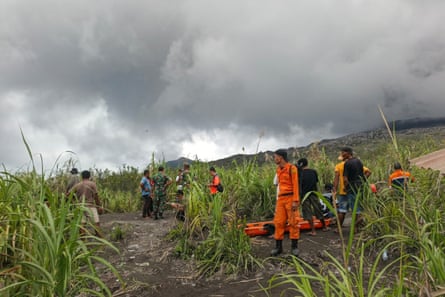
The recovery process following the Mount Dukono eruption will likely be protracted and emotionally taxing for the families of the deceased and missing individuals. Authorities are maintaining coordination between various agencies to ensure comprehensive search coverage and to provide support services to affected families during this difficult period. The incident serves as a somber reminder of the powerful forces that nature can unleash and the risks associated with mountaineering in volcanically active regions.
Looking forward, this tragic event may prompt renewed discussions about safety protocols for hikers and mountaineers visiting active volcanic sites in Indonesia. Tourism operators and local authorities may implement stricter regulations, enhanced monitoring systems, and improved warning systems to better protect visitors. The incident highlights the need for continued investment in volcanic monitoring technology and emergency response infrastructure throughout the Indonesian archipelago.
Source: The Guardian


