
Indonesian Rescuers Recover Body After Mount Dukono Eruption

Rescue teams recover Indonesian woman's body after Mount Dukono volcanic eruption. Search continues for two missing Singaporean hikers on Halmahera island.
Rescue operations on Indonesia's remote Halmahera island have intensified following a devastating volcanic eruption at Mount Dukono on Friday morning. Authorities confirmed that recovery teams successfully located and retrieved the body of an Indonesian woman caught in the disaster, marking a grim development in the ongoing search and rescue mission. The recovery effort, which took place on Saturday, represents significant progress in accounting for the victims, though the search for additional missing persons continues with renewed urgency.
The tragedy unfolded when approximately 20 hikers defied official safety restrictions and ventured onto the 1,355-meter (4,445-foot) volcano, one of Indonesia's most volatile peaks. When Mount Dukono suddenly erupted in the early hours of Friday morning, the climbers found themselves in an extremely dangerous situation with limited escape routes. The eruption was violent and sudden, sending a towering column of ash approximately 10 kilometers (6 miles) into the atmosphere, causing visibility to plummet and creating hazardous conditions across the surrounding region.
The hikers became stranded on the mountain as the volcanic ash spread across the area, making communication and evacuation efforts extraordinarily difficult. Emergency response teams mobilized quickly to locate the hikers, but challenging terrain and hazardous atmospheric conditions significantly hampered initial rescue attempts. The volcanic activity, which continued intermittently, posed ongoing risks to both the stranded climbers and the rescue personnel working to extract them from the dangerous situation.

Among those still missing are two Singaporean hikers who were part of the climbing expedition. The search operations for the two missing nationals have become a focal point of the rescue efforts, with both Indonesian authorities and international search teams coordinating resources to locate the missing climbers. Officials expressed concern for their safety given the duration of time they have spent unaccounted for and the ongoing volcanic hazards in the region.
Mount Dukono, located on the northern tip of Halmahera island in the Maluku province, is known for its volatile behavior and has experienced numerous eruptions throughout recorded history. The volcano sits at a significant elevation and is popular among adventure seekers and climbing enthusiasts despite the inherent risks. However, authorities had previously issued volcanic activity warnings and safety advisories, urging the public to avoid ascending the peak due to elevated danger levels in the weeks preceding the eruption.
The decision by the hikers to proceed with their climb despite the official warnings has raised important questions about safety protocols and the enforcement of volcanic hazard restrictions in tourism-heavy areas. Indonesian officials have emphasized that such warnings exist specifically to prevent tragedies of this nature, and they are urging the public to heed future volcanic alerts. The incident serves as a stark reminder of the unpredictable power of natural disasters and the critical importance of respecting geological safety barriers.
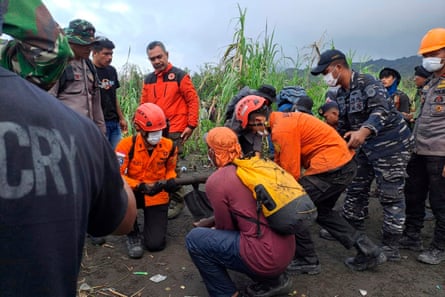
The recovery of the Indonesian woman's body represents a major development in the operation, as it allows authorities to begin the identification process and provide closure to her family. However, the ongoing search for the two Singaporean nationals continues to occupy the primary focus of rescue efforts. Search teams are working methodically through the difficult terrain, utilizing drones, ground-based searchers, and local guides with knowledge of the mountain's geography to maximize their chances of locating the missing hikers.
The Indonesian government has mobilized significant rescue resources, including personnel from the National Search and Rescue Agency (Basarnas), local military units, and volunteers from surrounding communities. International coordination has also been established, with Singaporean authorities maintaining close contact with Indonesian officials to ensure comprehensive search coverage and rapid information sharing. The collaborative approach reflects the international nature of the tragedy and the shared commitment to resolving the missing persons case.
Environmental conditions on the mountain have presented substantial obstacles to search operations, with ash accumulation, poor air quality, and unstable volcanic terrain complicating access to potential victim locations. Rescue teams must wear protective equipment to shield themselves from volcanic particulates and gases that linger in the atmosphere following the eruption. The hazardous environment requires rescue personnel to work in carefully planned shifts to minimize exposure to volcanic dangers while maintaining search continuity.
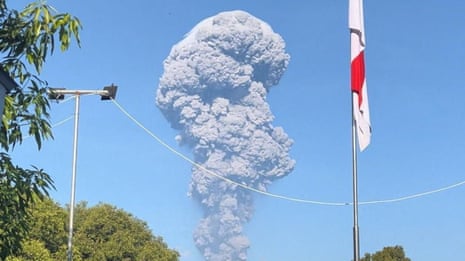
Scientists studying the eruption have noted that Mount Dukono's activity level has been variable, with periods of relative dormancy interspersed with sudden violent episodes. The unpredictable nature of the volcano makes it particularly dangerous for mountaineers, as sudden escalations in eruptive activity can occur with minimal warning. Volcanologists have indicated that the Friday morning eruption was consistent with the volcano's historical pattern of sudden, forceful explosions that generate high-altitude ash columns and dangerous pyroclastic flows.
The incident has prompted Indonesian authorities to reassess mountain safety protocols and consider implementing more stringent enforcement mechanisms for volcanic hazard restrictions. Park officials and tourism operators are being urged to strengthen education campaigns about volcanic dangers and to strictly enforce climbing restrictions when hazard levels are elevated. The tragedy underscores the need for enhanced coordination between government agencies, tour operators, and local communities to prevent similar incidents in the future.
As rescue operations continue into their second day, the focus remains on locating the two missing Singaporean hikers and completing the full accounting of all individuals affected by the eruption. The families of the missing hikers await news with growing anxiety, while the Indonesian government works to provide regular updates on search progress. The international attention to this incident reflects the broader concerns about volcanic safety in Southeast Asia's active geological zones and the importance of preparedness in disaster-prone regions.
The recovery operation serves as a sobering reminder of the power of volcanic forces and the importance of adhering to scientific warnings about natural hazards. As the search continues for the missing hikers, authorities remain committed to providing answers to grieving families and implementing lessons learned from this tragedy. The incident will likely influence future volcanic tourism safety regulations throughout Indonesia and may serve as a case study for improving disaster preparedness and emergency response protocols in regions with active geological hazards.
Source: The Guardian


