
Indonesian River Floods Destroy Glamping Resort

Heavy rainfall causes devastating overflow in West Java, destroying a glamping facility in Bogor. See photos and details of the natural disaster.
A picturesque glamping facility in the Bogor region of West Java, Indonesia, was completely destroyed on May 4th when a nearby river overflowed due to heavy rainfall. The incident serves as a stark reminder of the destructive power of nature and the vulnerability of tourism infrastructure in areas prone to seasonal flooding. Witnesses reported that the water rose with alarming speed, giving residents and guests minimal time to evacuate the premises before the structures were engulfed.
The river overflow was caused by unprecedented rainfall that swept across the West Java region, overwhelming the river's capacity to handle the volume of water. Environmental experts note that deforestation and urban development in the area have reduced natural water absorption, exacerbating flooding issues during monsoon season. The combination of geographical factors and climate patterns created a perfect storm that resulted in the catastrophic flooding event.
The glamping facility, which had recently gained popularity as an eco-tourism destination, was a significant economic asset to the local community. The property featured several luxury tents and outdoor structures designed to provide guests with a nature-immersive experience while maintaining comfort and modern amenities. The destruction represents not only a substantial financial loss but also a setback to the region's growing tourism industry.
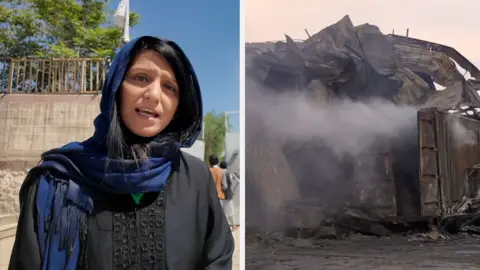
Local authorities responded quickly to the disaster, deploying emergency services to assess the damage and ensure no lives were lost. Rescue teams worked tirelessly to account for all guests and staff members who were at the facility when the flooding occurred. The rapid evacuation protocols, despite their challenges, prevented what could have been a tragedy with significant loss of life.
The flooding in Bogor has prompted discussions among Indonesian officials about improving water management systems and infrastructure resilience in vulnerable areas. Urban planners are now advocating for better drainage systems, river reinforcement, and early warning mechanisms to mitigate future disasters. The incident highlights the urgent need for comprehensive disaster preparedness strategies in regions regularly affected by seasonal weather patterns.
Climate change experts have noted that extreme weather events like this are becoming increasingly common in Southeast Asia, with rainfall patterns becoming more unpredictable and intense. The region's tropical climate, combined with warming ocean temperatures, creates conditions favorable for severe storms and flooding. Research indicates that without significant environmental interventions, such events may increase in frequency and severity over the coming decades.

The owner of the glamping facility expressed deep sadness over the loss but remained optimistic about rebuilding and implementing better protective measures. Insurance assessments were initiated to determine coverage for the damage, though many structures were deemed a total loss. The facility's business model will likely need significant adjustments to account for environmental risks and seasonal weather patterns.
Community members in the Bogor area have rallied to support affected businesses and residents, demonstrating the strong social bonds that exist in Indonesian villages. Local organizations have initiated fundraising efforts to assist with recovery and rebuilding initiatives. The disaster has united the community in recognizing the shared responsibility for environmental stewardship and disaster preparedness.
The May 4th incident in West Java serves as a cautionary tale for tourism operators and developers considering construction in flood-prone areas. Building codes and zoning regulations are now being reviewed to ensure that future facilities are constructed with adequate flood defenses and emergency evacuation systems. The disaster prevention community continues to advocate for science-based urban planning that accounts for environmental vulnerabilities.

Looking forward, the Indonesian government has committed to increased funding for flood mitigation projects and early warning systems in vulnerable regions. International partnerships with disaster management organizations are being explored to share best practices and technological solutions. The recovery process will take months, but it presents an opportunity to build back better with enhanced resilience measures.
This natural disaster reminds us of nature's incredible power and the importance of respecting environmental constraints when developing infrastructure. The glamping facility tragedy underscores the need for sustainable development practices that prioritize safety alongside economic growth. As Indonesia continues to develop its tourism sector, lessons learned from this catastrophe will inform better planning and more responsible construction practices for generations to come.
Source: BBC News


