
Inside Iran: Civilians Share War Trauma Stories

BBC special correspondent Fergal Keane reports from Iran, interviewing traumatized civilians as authorities impose internet restrictions and government repression intensifies.
Iran's civilian population continues to grapple with the profound consequences of ongoing conflict, even as government authorities have implemented increasingly restrictive measures to control information flow. Through interviews conducted by BBC special correspondent Fergal Keane, a compelling portrait emerges of ordinary people struggling to navigate daily life amid escalating tensions, internet censorship, and government repression. These firsthand accounts reveal the human cost of geopolitical conflict, offering insights into how war and political instability reshape communities from within.
The internet ban imposed by Iranian authorities represents one of the most visible efforts to manage public discourse and limit access to outside information. Residents describe the digital isolation as both a practical hindrance and a psychological burden, cutting them off from global news sources and international connections. Despite these technological barriers, journalists and researchers have managed to establish communication channels with trusted local sources, enabling reports that bypass official censorship mechanisms. This effort to maintain communication with civilians illustrates the persistent determination of news organizations to document stories that might otherwise remain hidden from international view.
Fergal Keane's reporting methodology emphasizes the importance of building trust with local sources in conflict zones. Rather than relying solely on official government statements or easily accessible public information, the BBC correspondent has invested time in developing relationships with people willing to share their experiences candidly. These connections, built on mutual respect and journalistic integrity, allow for more authentic and nuanced coverage of how conflict impacts civilians at the most fundamental level. The sources featured in these reports represent diverse segments of Iranian society, each bringing their own perspective shaped by their particular circumstances and experiences.
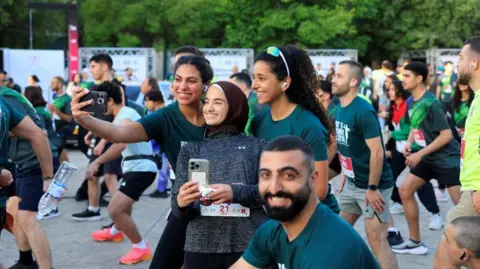
Many interviewed civilians describe experiencing trauma from ongoing conflict, citing psychological toll alongside physical dangers and economic hardship. Families recount how uncertainty about the future has permeated daily routines, affecting children's education, employment opportunities, and mental health. The absence of reliable information channels due to internet restrictions compounds this sense of anxiety, as people struggle to separate rumor from fact. These accounts paint a picture of a population caught between governmental control and their fundamental human need for information and connection with the outside world.
The broader context of government repression in Iran encompasses not only internet censorship but also restrictions on freedom of speech, assembly, and movement. Citizens describe self-censoring their conversations, monitoring what they share even with close friends and family members, and living with the constant awareness that dissent carries serious consequences. This pervasive climate of fear extends into intimate spaces, affecting how people express themselves and interact with one another. The psychological weight of such restrictions, multiplied across an entire population, creates a society where suspicion and caution become normalized responses to everyday interactions.
Economic pressures compound the challenges faced by Iranian civilians already stressed by conflict and repression. International sanctions, coupled with government policies and inflation, have severely limited access to goods, services, and employment opportunities. Families describe difficult choices between essential needs, with parents struggling to provide basic necessities for their children. The combination of economic strain and political uncertainty creates a sense of hopelessness for many, particularly among younger generations who see limited prospects for improvement in their circumstances.
The role of international media in documenting civilian experiences during conflict becomes increasingly important when local journalism faces severe constraints. By bringing verified reporting from trusted sources inside Iran to global audiences, organizations like the BBC contribute to a more complete understanding of how geopolitical conflicts affect real people. This journalistic work serves both international audiences seeking to understand complex situations and local populations whose stories might otherwise go unheard. The effort required to conduct such reporting—developing sources, maintaining security, verifying information—underscores the commitment necessary to maintain independent journalism in restrictive environments.
Sources interviewed by Keane emphasize the desire among ordinary Iranians for peace, stability, and the restoration of normal life. Many express frustration with political leadership while simultaneously recognizing their own limited agency in influencing government policies. This complex emotional landscape—combining patriotism, criticism, fear, and hope—characterizes the internal experience of civilians navigating life during wartime. Understanding these nuanced perspectives proves essential for international observers seeking to move beyond simplistic narratives about conflict zones.
The internet restrictions imposed by authorities have paradoxically created new forms of resistance and resilience among Iranian citizens. Some have developed workarounds to access banned content, while others have strengthened community bonds through in-person interactions and traditional communication methods. This adaptation reflects the human capacity to maintain connection and pursue information despite significant obstacles. At the same time, these workarounds carry risks, as individuals using unauthorized methods to bypass censorship face potential legal consequences.
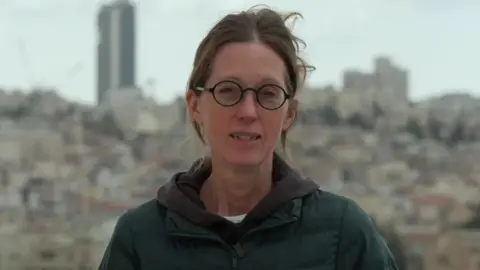
Fergal Keane's reporting contributes to a growing body of evidence documenting how authoritarian controls and conflict create cascading effects throughout society. Beyond the immediate impact on physical safety and economic wellbeing, restrictions on information access and freedom of expression fundamentally alter how people relate to themselves, their communities, and their government. The psychological and social consequences of such environments extend far beyond what simple policy descriptions can convey, highlighting the importance of hearing directly from those experiencing these conditions.
International observers and policymakers relying on BBC reporting and similar journalism gain crucial context for understanding Iran's complex situation. Rather than accepting filtered official narratives or incomplete information, decision-makers can engage with accounts from verified local sources that illuminate civilian perspectives. This transparency supports more informed discussions about international relations, sanctions, military action, and diplomatic approaches to regional conflicts. The human element provided by civilian testimony reminds global audiences of the stakes involved in geopolitical decisions.
Looking forward, the situation for Iranian civilians remains uncertain, with ongoing tensions threatening further deterioration of conditions. Many hope that international attention to their circumstances might eventually contribute to policies prioritizing humanitarian concerns and civilian welfare. The BBC's continued reporting from inside Iran serves as a crucial bridge between isolated populations and global audiences, maintaining a record of how ordinary people experience and endure extraordinary circumstances. As long as conflict and repression continue affecting Iranian society, journalism documenting these impacts becomes an essential service for both immediate accountability and historical documentation of this period.
The stories gathered by special correspondent Fergal Keane ultimately remind us that behind every geopolitical conflict stand millions of individuals with hopes, fears, and dreams for better futures. Their voices, carefully documented and shared through trusted journalistic channels, deserve recognition and consideration in discussions about Iran's future. The commitment required to bring these stories to international attention, despite significant obstacles and risks, reflects the essential role journalism plays in maintaining human connection and mutual understanding across borders and barriers.
Source: BBC News


