
Instagram Disables Encryption: What Happens to Your Private Messages?

Meta reverses course on end-to-end encryption for Instagram DMs. Learn what this privacy shift means for your direct messages and data security.
In a significant reversal of its previous commitment to user privacy, Meta has announced the removal of end-to-end encryption from Instagram's direct messaging system. This unexpected decision marks a dramatic shift in the company's approach to Instagram privacy and has raised considerable concerns among privacy advocates and platform users worldwide. The move contradicts Meta's earlier promises to enhance message security across its social media platforms, leaving millions of Instagram users wondering about the future of their private communications.
The company initially introduced end-to-end encryption on Instagram as part of a broader initiative to protect user data and prevent unauthorized access to private conversations. This feature was designed to ensure that only the sender and recipient could read the contents of direct messages, with Meta's servers unable to decrypt the communications. However, the platform has now decided to disable this security measure, returning to a system where messages are stored on Meta's servers without the same level of encryption protection. This development represents a concerning step backward for digital privacy and raises important questions about the company's priorities regarding user data protection.
Understanding the implications of this decision requires examining what end-to-end encryption actually does and how its removal affects your messages. When encryption is enabled, each message is converted into a coded format that only you and the recipient possess the keys to decode. This means that even if hackers were to intercept your messages during transmission or if Meta's servers were compromised, the content would remain unreadable to unauthorized parties. With this protection now disabled, your direct messages become more vulnerable to potential security breaches and data exposure.

Meta's justification for this reversal centers on several operational and business-related factors that the company has outlined in official statements. The company argues that the removal of encryption will enable it to implement more effective content moderation practices and better respond to illegal activities on the platform. According to Meta's position, message encryption makes it difficult for the company to identify and prevent harmful content, including illegal material and abusive communications. This reasoning reflects the ongoing tension between providing users with strong privacy protections and maintaining the ability to moderate content effectively.
The decision also aligns with increased government pressure on technology companies to provide law enforcement agencies with access to encrypted communications. Various governmental bodies and law enforcement organizations have argued that end-to-end encryption hampers their ability to investigate crimes and protect public safety. By removing encryption from Instagram's messaging system, Meta appears to be making a strategic choice to cooperate more readily with these requests and reduce potential regulatory conflicts. This move could help Meta avoid future friction with authorities and potentially complex litigation surrounding encryption policies.
Privacy advocates and security experts have expressed significant concerns about this decision and its broader implications for user data protection. Organizations dedicated to digital rights argue that removing encryption fundamentally weakens the security of millions of users' private communications and sets a troubling precedent for the tech industry. These critics contend that companies should prioritize user privacy as a core value and find alternative solutions to content moderation that don't require sacrificing encryption. The removal of this protection is seen as capitulating to external pressures rather than maintaining a principled commitment to user privacy.
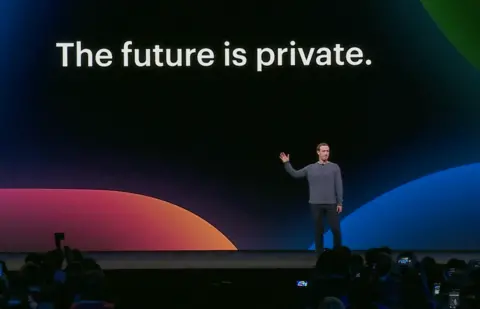
The practical impact of this change will be felt across Instagram's massive user base, which includes billions of daily active users who depend on the platform for personal and business communications. For individuals who use Instagram DMs for sensitive conversations, the loss of encryption means their messages will be stored on Meta's servers in a less protected format. This increases the risk of data breaches, unauthorized access by company employees, or government access through legal requests. Users who were relying on this feature for enhanced privacy will need to explore alternative communication methods for particularly sensitive discussions.
It's important to note that Meta still maintains various security measures beyond encryption, including password protection, two-factor authentication, and monitoring systems designed to detect suspicious account activity. However, these measures operate at a different level than end-to-end encryption and don't provide the same guarantee that only you and your recipient can read message contents. The company continues to invest in security infrastructure, but the removal of encryption represents a notable downgrade in the privacy protection specifically for message content. Users should be aware of this distinction when evaluating the overall security of their Instagram communications.
This decision also carries implications for Instagram's competitive positioning within the broader social media landscape. While some platforms have prioritized encrypted messaging as a key differentiator and marketing point, Meta is now moving in the opposite direction. Signal and other messaging apps have built their entire platforms around the premise of providing strong encryption and privacy protection. Meta's reversal suggests the company is willing to sacrifice a privacy advantage to address other business priorities, potentially including content moderation efficiency and regulatory compliance.

For business users who utilize Instagram DMs for customer communications and commerce activities, this change presents additional considerations. Removing encryption could actually make some business communications less secure if they involve sensitive information like payment details or proprietary data. However, it may also enable Meta to implement better anti-spam and fraud detection systems that protect against malicious business accounts and scams operating through the platform. The trade-offs between privacy and security features continue to evolve in complex ways.
Users concerned about this development have several options to protect their privacy on Instagram and beyond. For conversations that involve sensitive information, individuals can explore alternative messaging platforms with stronger encryption protections, such as Signal or WhatsApp, which maintain end-to-end encryption across all communications. Additionally, users can be more cautious about what personal information they share through Instagram DMs and consider whether alternative communication channels might be more appropriate for specific conversations. Being mindful about the types of information shared on various platforms is an essential component of maintaining digital privacy.
The broader context of this decision reflects ongoing debates within the technology industry and government about how to balance user privacy with public safety and content moderation objectives. These tensions have intensified as companies have grown larger and more influential, and as concerns about illegal content, harassment, and abusive behavior on social platforms have increased. Finding sustainable solutions that genuinely protect both user privacy and platform safety remains a significant challenge for companies like Meta. This decision represents one company's choice about how to navigate these competing pressures, though it's not necessarily the only possible approach.

Moving forward, users should stay informed about changes to Meta's privacy policies and the specific security measures protecting their data on Instagram and other company-owned platforms. Regularly updating passwords, enabling all available security features, and being selective about information shared through these channels remain important practices. As the digital landscape continues to evolve, individual vigilance about personal data protection becomes increasingly important, particularly when companies are making significant changes to privacy-related features and protections that users have relied upon.
Source: BBC News


