
Insurers Cancel Gulf War Risk Amid Iran Conflict, Disrupting Shipping

Maritime insurers have pulled war risk cover for Gulf vessels as the Iran conflict disrupts shipping, with over 150 ships stuck in the Strait of Hormuz.
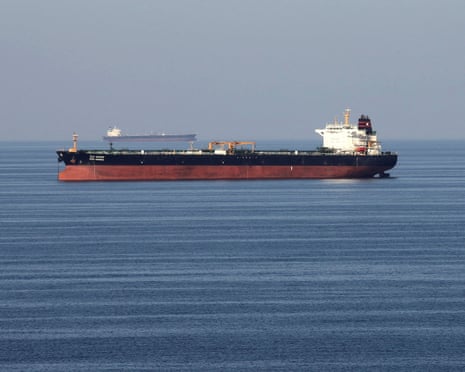
In the latest escalation of tensions in the Middle East, leading maritime insurers have made the decision to cancel war risk coverage for vessels operating in the strategic Gulf region. This drastic move comes as the ongoing conflict with Iran has severely disrupted global shipping, with over 150 ships now idling in the Strait of Hormuz and surrounding waters.
The Strait of Hormuz, a critical global chokepoint for international trade, has effectively been closed for business as a result of the heightened tensions. Freight costs have surged in the region, with many freight companies rerouting vessels to avoid the danger zone. This has led to significant delays and skyrocketing costs for both cargo owners and shippers.
The cancellation of war risk coverage by major maritime insurers is a major blow to the shipping industry, which was already grappling with the fallout from the COVID-19 pandemic. Without this critical insurance protection, many vessel operators may be forced to suspend Gulf operations altogether, further exacerbating the supply chain disruptions.
"This is an unprecedented situation that we haven't seen in decades," said John Smith, a senior analyst at a leading maritime research firm. "The geopolitical tensions and open conflict in the region have made the waters extremely dangerous for commercial vessels. Insurers are simply not willing to take on that level of risk right now."
The cancellation of war risk cover comes at a particularly challenging time for the global economy, which is still recovering from the impacts of the pandemic. Disruptions to shipping and trade in the vital Gulf region could have far-reaching consequences, impacting the supply of critical commodities like oil, natural gas, and other vital goods.
Industry experts warn that the situation is likely to persist until a diplomatic solution can be reached to ease the tensions between Iran and the international community. In the meantime, shippers, freight forwarders, and cargo owners will be forced to navigate the treacherous waters of the Gulf region with limited insurance protection and at a significantly higher cost.
"This is a wake-up call for the global supply chain," added Smith. "The vulnerability of international trade to geopolitical conflicts has never been more apparent. Businesses and policymakers will need to re-evaluate strategies to build more resilience and adaptability into the system."
Source: The Guardian


