
Intel's Advanced Chip Packaging Dominance: Powering the AI Revolution

Discover how Intel is spearheading the future of chip packaging, positioning itself as a key player in the AI-driven computing landscape against industry leader TSMC.
In the heart of New Mexico, an unassuming Intel chip plant is quietly leading a revolution in advanced chip packaging. Once a dormant facility, Fab 9 and its neighboring Fab 11X have been revitalized, thanks to a $500 million grant from the US CHIPS Act and Intel's strategic focus on this fast-growing business.
Chip packaging, the art of combining multiple chiplets or smaller components onto a single, custom chip, has become a critical component of the computing landscape. As AI continues to drive demand for ever-more powerful computing power, Intel's packaging expertise is positioning the tech giant to challenge industry leader Taiwan Semiconductor Manufacturing Corporation (TSMC).
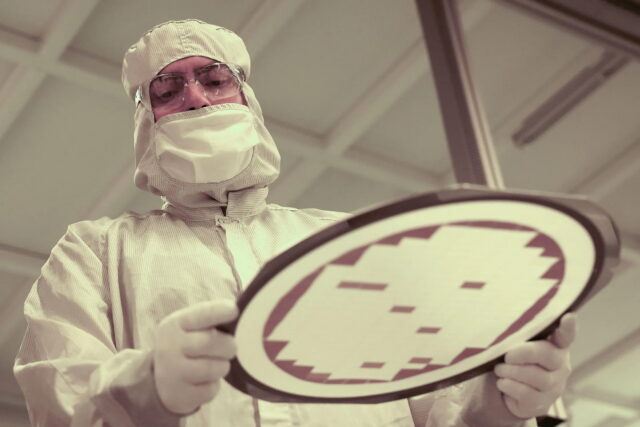
The transformation of Intel's Rio Rancho facility is a testament to the company's commitment to staying at the forefront of the industry. Once home to families of raccoons and a badger, the dormant Fab 9 has been revived, now playing a crucial role in Intel's advanced packaging business. This strategic move puts Intel in direct competition with TSMC, the world's leading semiconductor manufacturer, as both companies vie for a share of the lucrative and rapidly evolving AI computing market.
Intel's focus on advanced packaging represents a shift in the company's priorities, moving away from its traditional strengths in chip design and manufacturing. By leveraging its expertise in combining various chip components, Intel aims to offer customers a more customized and efficient solution, catering to the diverse needs of the AI and computing industries.
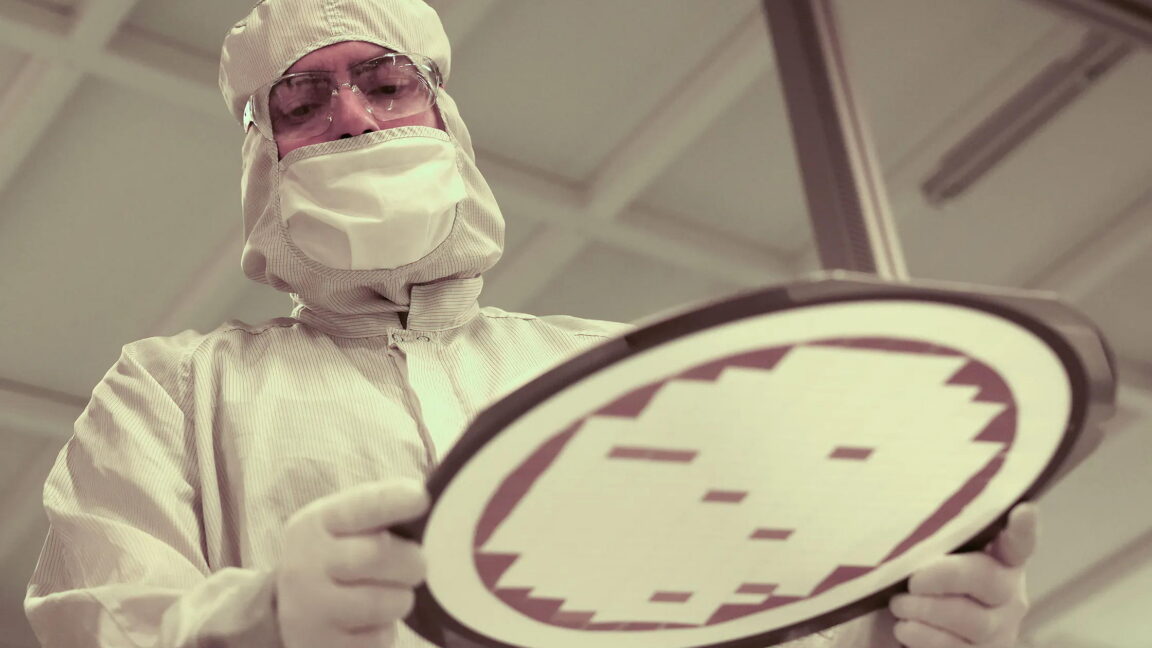
The stakes are high, as the demand for AI-powered computing continues to soar. Leading tech companies are vying for a piece of this rapidly expanding market, and Intel's advanced packaging capabilities could give it a significant edge. By offering more tailored and optimized chip solutions, the company hopes to carve out a larger share of the pie, challenging TSMC's dominance in the semiconductor industry.
As Intel doubles down on its advanced packaging initiatives, the future of computing could be shaped by the company's ability to innovate and adapt. With the support of the US CHIPS Act and its renewed focus on this strategic business, Intel is poised to play a pivotal role in powering the AI revolution and solidifying its position as a technology powerhouse.
Source: Ars Technica


