
iRacing Arrives on Vision Pro with Steep PC Requirements

iRacing expands to Apple Vision Pro, but players need powerful PCs to experience the racing simulation in spatial computing.
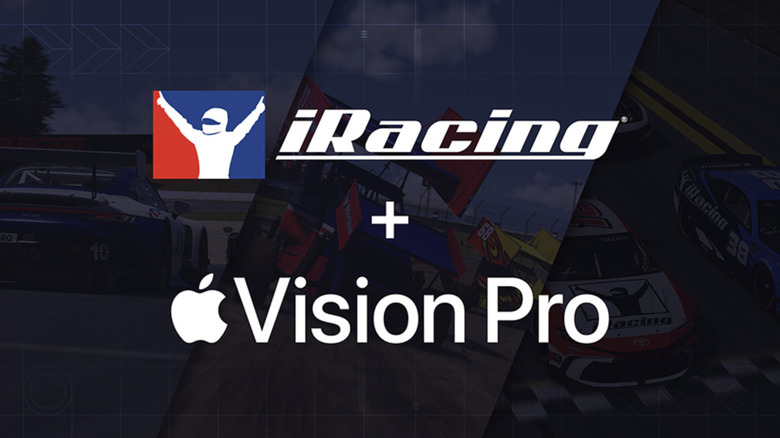
iRacing, the popular online racing simulation platform, has officially launched on Apple's Vision Pro headset, marking a significant milestone in bringing competitive motorsport experiences to spatial computing technology. The expansion demonstrates the growing potential of virtual reality racing applications within the Apple ecosystem, though prospective players should be aware that the immersive experience comes with substantial hardware demands that extend beyond just the headset itself.
The integration of iRacing on Vision Pro represents a convergence of two cutting-edge technologies designed to revolutionize how enthusiasts engage with sim racing. By leveraging the Vision Pro's advanced display capabilities and motion tracking sensors, iRacing offers players an unprecedented level of immersion compared to traditional monitor-based racing simulations. The spatial computing environment creates a more realistic cockpit view and enhanced depth perception that can significantly impact driving performance and enjoyment for serious competitors.
However, Apple Vision Pro users interested in diving into the iRacing experience should understand a critical limitation: the application requires connection to a powerful PC to function optimally. This hybrid setup means that while the Vision Pro serves as the display and control interface, the heavy computational lifting occurs on a separate high-performance computer, not on the headset itself. This architectural requirement reflects current limitations in mobile computing power and thermal management within headset form factors.
The PC requirements for iRacing are notably demanding, reflecting the complexity of running a detailed racing simulation with real-time physics calculations, dynamic weather systems, and multiplayer synchronization. Users will need graphics processing units from current generation lines, solid-state drives with ample capacity, and sufficient RAM to handle the simultaneous processing of visual rendering, network communication, and simulation calculations. The recommended specifications far exceed what would be needed for standard business applications or casual gaming, positioning iRacing as a serious enthusiast pursuit requiring substantial investment.
This PC tethering requirement may initially seem like a drawback compared to standalone gaming experiences, but it actually represents a pragmatic approach to delivering the most sophisticated racing simulation available. The computational intensity of iRacing's physics engine, which models tire degradation, fuel consumption, aerodynamic effects, and hundreds of other variables, demands processing power that currently cannot be efficiently contained within a headset. By delegating rendering and physics calculations to a dedicated desktop PC, the Vision Pro can focus on tracking head movements, maintaining visual fidelity, and delivering haptic feedback through compatible peripherals.
The launch of iRacing on Vision Pro also highlights the evolving ecosystem of racing simulators for VR and spatial computing devices. Previously, sim racing enthusiasts were limited to monitor-based experiences or VR headsets like the Meta Quest Pro or HTC Vive, each with their own strengths and limitations. The Vision Pro's addition to this landscape provides Apple users with access to the industry-leading racing platform, though the platform's reputation for competitive integrity and authentic motorsport experiences means that casual players might find the learning curve quite steep compared to arcade-style racing games.
Installation and setup of iRacing on Vision Pro involves several steps beyond simply downloading the application. Users must ensure their PC meets or exceeds recommended specifications, configure their home network for optimal wireless or wired connectivity between the PC and headset, and potentially invest in compatible racing peripherals such as steering wheels, pedal sets, and shifters that integrate with both the PC and Vision Pro controllers. This multi-component setup process requires technical competency and patience, but ultimately delivers an unparalleled immersive racing experience.
The implications for the broader racing simulation market could be substantial as Vision Pro adoption expands. Professional esports organizations, racing teams conducting driver development programs, and enthusiast communities might increasingly view the Vision Pro as the premium platform for competitive racing simulation. The spatial audio capabilities of the Vision Pro, combined with precise head tracking and eye tracking, enable players to perceive race positions, incoming competitor movements, and track conditions with greater accuracy than traditional setups. These advantages could translate to faster lap times and improved competitive performance.
Gaming peripherals compatible with iRacing have also become increasingly sophisticated in recent years, and many will work seamlessly with the Vision Pro setup. Force feedback steering wheels can provide crucial information about track surface conditions and tire grip levels, while progressive pedal systems allow for fine control of acceleration and braking inputs. When paired with the immersive visual and audio environment of the Vision Pro, these peripherals create a remarkably authentic driving simulator experience that can translate to improved real-world driving skills and racing techniques.
The Vision Pro racing experience also benefits from iRacing's extensive library of authentic vehicles and accurately reproduced race tracks from around the world. Licenses from major racing organizations and manufacturers mean that players can compete in vehicles ranging from open-wheel single-seaters to touring cars and prototypes, racing on iconic circuits that faithfully recreate their real-world counterparts. This authenticity, combined with the immersive nature of spatial computing, creates an educational tool as well as entertainment platform.
Looking forward, the success of iRacing on Vision Pro may encourage other simulation developers and racing game publishers to investigate spatial computing as a platform for their titles. The potential market of affluent enthusiasts willing to invest in premium VR racing setups is substantial, and the technological advantages of Vision Pro's tracking and display capabilities could justify development efforts. However, the PC requirement will likely limit adoption compared to more accessible gaming platforms, keeping iRacing on Vision Pro as a premium offering primarily targeted at serious competitors and dedicated enthusiasts rather than casual players seeking entertaining racing experiences.
Source: Engadget


