
Iran and US Revive Nuclear Talks as Protests Flare Up

Negotiations resume in Geneva as Trump's team believes Iran is making serious proposals to limit its uranium stockpile and nuclear ambitions.
Amid rising tensions and fears of renewed conflict in the region, Iran and the United States are set to hold a new round of talks in Geneva this week, signaling that Donald Trump's administration believes Tehran is making substantive proposals to curb its nuclear program and alleviate concerns about its pursuit of a nuclear weapon.
The upcoming negotiations come as Iran is once again facing widespread protests within its borders, with citizens taking to the streets to voice their discontent with the government. The Iranian foreign minister, Abbas Araghchi, has expressed optimism that a diplomatic solution can still be found, despite the volatile circumstances.
The high-stakes talks in Geneva suggest that Trump's team sees potential progress in the negotiations, as they work to find a way to limit Iran's uranium stockpile and rein in its nuclear ambitions. This represents a shift from the previous administration's more confrontational approach, which had raised fears of a direct military conflict between the two nations.
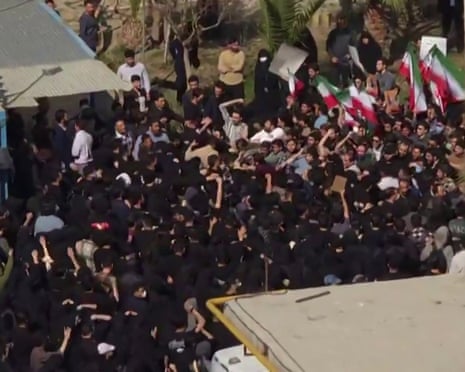
Analysts believe that Iran may be more willing to compromise on its nuclear program given the domestic unrest and the economic pressure it continues to face from international sanctions. However, Tehran will likely seek concessions of its own, such as the lifting of some sanctions, in exchange for any significant nuclear concessions.
The renewed Geneva negotiations come at a critical juncture, as both sides seek to find a diplomatic solution that can address the longstanding tensions and prevent a potentially devastating escalation of the conflict. The success or failure of these talks could have far-reaching implications for the stability of the Middle East and the global nonproliferation efforts.
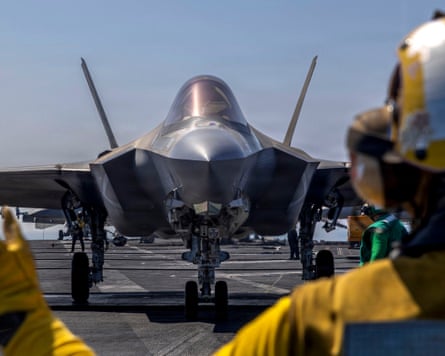
As the protests in Iran continue to simmer, the outcome of the nuclear talks will be closely watched by the international community, which hopes that a diplomatic breakthrough can help ease the tensions and pave the way for a more stable and secure future in the region.
Source: The Guardian


