
Iran Conflict Accelerates Global Clean Energy Shift

Geopolitical tensions in the Middle East are unexpectedly driving worldwide transition to renewable energy, benefiting major manufacturers like China despite Trump administration policies.
The ongoing geopolitical tensions surrounding Iran and the Strait of Hormuz are producing consequences that extend far beyond immediate diplomatic disputes. While Operation Epic Fury has failed to achieve its stated objectives, the military and economic pressures being exerted have created an unexpected catalyst for global energy transformation. The conflict is paradoxically accelerating the very clean energy transition that the Trump administration has historically opposed and undermined through policy reversals.
Recent weeks have witnessed an intensification of rhetorical and strategic exchanges over control of critical shipping lanes and energy infrastructure. The United States has implemented what amounts to an economic blockade on Iranian oil exports, effectively preventing the nation from selling its petroleum reserves on international markets. According to statements from the Trump administration, Iran is being economically strangled, unable to move its vast oil reserves through traditional export channels due to sanctions and military pressure in one of the world's most strategically important waterways.
However, the economic consequences of these geopolitical actions are proving far more complex than simple supply disruptions. Energy markets worldwide are experiencing unprecedented volatility, with oil prices fluctuating dramatically as traders assess the stability of global energy supplies. This uncertainty is fundamentally reshaping how governments and private companies approach their long-term energy strategies, forcing them to reconsider their dependence on volatile fossil fuel markets.
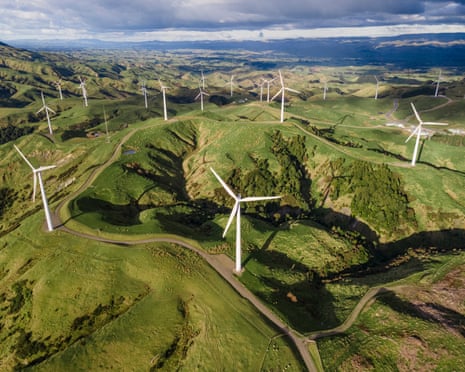
The disruption to global oil markets is creating strong incentives for nations to diversify their energy portfolios and reduce reliance on unstable Middle Eastern supplies. Countries that have traditionally depended heavily on imported petroleum are now viewing renewable energy investments with renewed urgency and strategic importance. Rather than seeing clean energy as an environmental luxury, decision-makers are increasingly framing renewables as essential components of energy security and economic stability. This shift in perspective is proving more powerful than years of environmental advocacy and climate warnings.
International energy analysts are noting that the geopolitical premium being added to oil prices—stemming from uncertainty about Middle Eastern supplies—is making renewable alternatives increasingly cost-competitive. Solar and wind installations that previously required subsidies to compete with fossil fuels are now economically viable without government support in many markets. The higher oil prices resulting from regional tensions effectively subsidize the renewable energy transition by making clean alternatives cheaper by comparison, creating a powerful market dynamic that favors sustainable energy development.
Major economies are responding to these signals with accelerated clean energy deployment programs. European nations, already committed to ambitious climate targets, are now treating renewable expansion as a matter of strategic national interest. Even traditionally fossil fuel-dependent economies are reconsidering their energy infrastructure investments, recognizing that betting heavily on oil and gas exposes them to geopolitical risks and price volatility they cannot control.

China's position as the world's dominant manufacturer of renewable energy technologies is emerging as perhaps the most significant beneficiary of these geopolitical shifts. The country produces the vast majority of solar panels, wind turbines, and battery systems being deployed globally, and surging demand for these technologies is driving substantial economic growth for Chinese manufacturers and related industries. Chinese companies are rapidly expanding production capacity to meet global demand, capturing market share and establishing technological leadership in the sectors that will define global energy for decades to come.
The irony of this situation is sharp and inescapable: the Trump administration's confrontational approach toward Iran, intended to assert American dominance and secure American interests, is inadvertently accelerating the very global energy transformation that administration officials have repeatedly criticized and worked to obstruct. Rather than securing America's position in global energy markets, these policies are redirecting investment and innovation toward competitors and alternatives that escape American control.
Energy economists are analyzing how the geopolitical risk premium embedded in current oil prices fundamentally changes the economics of energy transitions. When fossil fuels carry significant geopolitical risk premiums, renewable alternatives suddenly appear far more attractive to investors and policymakers seeking to minimize long-term uncertainty. This economic reality is proving more persuasive than environmental arguments, demonstrating that energy transitions can be driven by pragmatic economic interests as much as by climate consciousness.
The structural shifts occurring in global energy markets are likely to persist regardless of how the immediate Iran situation resolves. Once nations begin investing in renewable infrastructure and establishing supply chains for clean energy technologies, institutional momentum tends to perpetuate these trends. The investments made during this period of uncertainty will create constituencies favoring continued clean energy development, from workers in new industries to communities benefiting from renewable installations to manufacturers benefiting from expanded markets.
Meanwhile, traditional fossil fuel companies are facing difficult questions about long-term market prospects and investment returns. Capital that might once have flowed into oil and gas exploration and infrastructure development is increasingly being redirected toward renewable projects and energy storage systems. Insurance companies and investment firms are reassessing their portfolios, concerned about stranded assets and the long-term viability of fossil fuel investments in an increasingly unstable geopolitical environment and transforming energy market.
The Middle East itself faces profound questions about its economic future as global energy markets transform. While oil remains economically significant in the near term, the structural transition toward renewables threatens to diminish the strategic importance and economic value of petroleum reserves over coming decades. This reality is already driving some regional governments to diversify their economies and invest in renewable energy industries, further accelerating the global transition away from fossil fuels.
Looking forward, the geopolitical tensions surrounding Iran and the Strait of Hormuz will likely continue to influence global energy markets and policy decisions. However, the direction of change seems increasingly clear: nations and companies worldwide are moving toward greater reliance on renewable energy, not because of environmental ideology championed by climate advocates, but because geopolitical instability and economic volatility make renewable alternatives increasingly attractive from a strategic and financial perspective. This represents a fundamental shift in how global decision-makers approach energy policy and investment.
The ultimate outcome of Operation Epic Fury and the broader Iran confrontation remains uncertain, but the consequences for global energy markets appear decidedly favorable to clean energy development. What began as a confrontation over Middle Eastern oil and American foreign policy objectives has become an unexpected catalyst for the energy transformation that the Trump administration opposed, demonstrating how unintended consequences can reshape global systems in powerful and ultimately beneficial ways for climate and energy security.
Source: The Guardian


