
Iran Conflict Drives UK Fuel Costs Up £100k

Rising oil prices from Middle East tensions hit truckers, carers, and heating oil users hard. Explore the real impact on UK households and businesses.
The escalating tensions in the Middle East have sent shockwaves through the global energy market, with rising oil prices creating an unprecedented financial strain on British households and businesses. For many working families and essential service providers, the conflict in Iran represents far more than a distant geopolitical event—it has become a tangible threat to their financial stability and operational viability. The ripple effects of Middle Eastern instability are being felt acutely across multiple sectors of the UK economy, from rural heating oil users to professional transport operators.
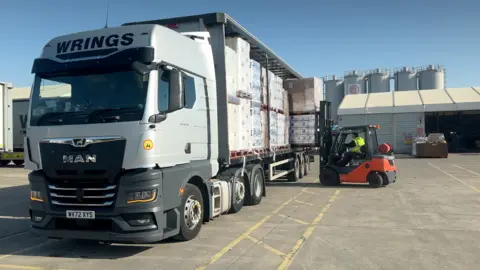
The fuel price surge has been particularly devastating for the haulage industry, where rising diesel costs directly impact profit margins and operational expenses. Professional truckers, who depend on fuel efficiency and stable pricing to maintain competitiveness, are now facing unprecedented financial pressure. Many independent haulage companies report that their fuel bills have increased by staggering amounts, with some operations reporting increases of £100,000 or more over recent months. This dramatic increase forces difficult decisions about route planning, vehicle maintenance, and ultimately, whether certain contracts remain financially viable.
For smaller transport operators and self-employed drivers, the situation is even more precarious. These individuals often operate on thin profit margins where fuel represents a significant proportion of their operating costs. When oil price volatility strikes suddenly, they lack the purchasing power of larger corporations to negotiate bulk discounts or hedge their energy costs effectively. Many express concern that if prices continue climbing, they may be forced to pass increased costs directly to customers or face business closures altogether.

Beyond the transport sector, the crisis has created widespread hardship among vulnerable populations who depend on heating oil during the brutal British winter months. In rural areas where mains gas is unavailable, heating oil represents the only practical heating solution for thousands of families and businesses. These communities, often located far from urban centers where alternative energy solutions might be available, find themselves at the mercy of global commodity markets. Elderly residents on fixed incomes face an agonizing choice between heating their homes adequately and maintaining other essential expenses.
The impact on the care sector has been particularly concerning, with care home operators and home care providers reporting severe budget pressures. Care facilities require reliable heating systems for resident comfort and safety, particularly for elderly and vulnerable patients. Additionally, care workers often need to travel considerable distances between client homes, making fuel costs a significant operational expense. Many care organizations warn that rising fuel expenses could force them to reduce services, increase care charges, or even close operations entirely if subsidies are not provided.
Healthcare professionals, including district nurses and community health workers, also face mounting pressures from increased travel costs. These essential workers often cover large geographical areas, traveling between patient homes throughout the day. The Middle East tensions and resulting fuel price increases mean that healthcare organizations must allocate larger portions of already-stretched budgets to fuel costs rather than patient care improvements or staff wages. Some NHS trusts have begun reviewing their service delivery models to minimize unnecessary travel and reduce fuel consumption.

The connection between international conflict and domestic economic hardship highlights the vulnerability of modern economies to geopolitical disruption. The global oil market remains sensitive to any perceived threats to supply chains from major oil-producing regions. When tensions rise in areas like Iran, which sits atop some of the world's largest proven oil reserves, traders immediately anticipate potential supply disruptions, triggering energy price increases that reverberate through entire economies. This mechanism means that international political events can rapidly translate into real financial consequences for ordinary British citizens.
Energy analysts emphasize that the current situation represents a convergence of multiple pressures on the global oil market. Beyond Middle Eastern tensions, other factors including OPEC+ production decisions, refinery capacity constraints, and seasonal demand fluctuations all contribute to price volatility. The Iran conflict, however, introduces a unique element of geopolitical risk that traders cannot easily quantify or predict, leading to precautionary buying and elevated prices even without direct supply disruption.
Small businesses across multiple sectors are struggling to absorb these unexpected costs without passing them entirely to consumers. Delivery services, agricultural operations, and rural construction companies all depend heavily on fuel, and all are experiencing significant margin compression. Many business owners report that customers are already resistant to price increases, making it difficult to pass on the full cost of fuel without losing business to competitors or seeing demand decline significantly.
The government has faced growing pressure to implement targeted support for the hardest-hit sectors and most vulnerable populations. Discussions about fuel subsidies, temporary tax relief on energy costs, and support packages for care providers have dominated recent policy debates. However, policymakers must balance the desire to provide immediate relief against concerns about inflation, government spending, and the long-term implications of subsidizing volatile global commodity markets.
Looking forward, energy experts and business leaders are calling for greater focus on energy independence and diversification of fuel sources. Investment in renewable energy, domestic energy production, and alternative fuel technologies could reduce British vulnerability to future disruptions in global oil markets. However, such transitions require significant capital investment and time to implement, offering little comfort to those suffering financial hardship in the immediate term.
The current crisis underscores the interconnected nature of the modern global economy and the potential for distant political events to create immediate economic consequences at home. Whether through rising heating bills for pensioners in rural Scotland, increased transport costs for care workers traveling to patients, or threatened business closures for haulage companies, the impact of Middle Eastern tensions manifests in concrete ways across British society. Until either geopolitical tensions ease or alternative energy solutions become more viable and affordable, many sectors of the British economy will continue bearing substantial costs from this instability.

Industry representatives and affected workers continue advocating for policy attention to this issue, emphasizing that without intervention, the consequences could extend far beyond fuel bills alone. Service quality in care sectors could deteriorate, transportation costs could increase for consumers, and rural communities could face genuine hardship. The challenge for policymakers lies in crafting responses that provide meaningful relief without creating new economic distortions or unsustainable long-term costs.
Source: BBC News


