
Iran Conflict Threatens African Food Security

Yara CEO warns potential Iran war could trigger fertilizer shortages and food crises across Africa's poorest nations, sparking global supply concerns.
The escalating tensions surrounding Iran present a complex geopolitical challenge with far-reaching implications extending well beyond the Middle East. According to the leadership of the world's largest fertiliser manufacturer, the consequences of any military conflict could reverberate across continents, potentially triggering severe food shortages and economic instability in some of the world's most vulnerable regions. The prospect of such disruptions has prompted urgent warnings from industry experts who understand the intricate connections between global commodity markets and food security.
Svein Tore Holsether, who serves as chief executive of Yara International, has raised critical concerns about how an Iran conflict would impact developing nations. His warnings highlight the delicate balance that exists in global agricultural supply chains and the dangerous vulnerability of countries dependent on imported fertilizers for their food production. The CEO's statements underscore how seemingly distant geopolitical events can have devastating consequences for populations struggling with poverty and food insecurity.
In his assessment, Holsether warned that world leaders must take proactive measures to prevent soaring fertiliser prices and supply shortages from creating what amounts to a de facto global auction. Such an auction would effectively price out the poorest nations, particularly throughout Africa, leaving them unable to compete for essential agricultural inputs. This scenario would force countries with limited financial resources into an impossible position where they cannot afford the supplies necessary to feed their own populations.
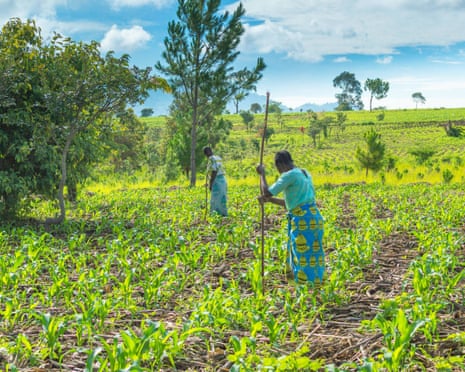
The interconnected nature of modern agricultural systems means that disruptions in one region quickly cascade across borders and continents. Fertiliser shortages would not simply affect farming operations in the Middle East or surrounding regions; they would immediately impact crop yields in Africa where many nations already struggle to achieve food self-sufficiency. Farmers across the continent depend heavily on imported fertilizers to maintain productivity, and any significant supply interruption would translate directly into reduced agricultural output and increased food prices for vulnerable populations.
Africa's vulnerability to external supply shocks reflects the continent's broader economic challenges and structural dependencies on global markets. Many African nations lack the domestic capacity to produce sufficient fertilizers, forcing them to rely on imports that must be purchased in foreign currencies. When global prices spike due to geopolitical events, these countries face an untenable situation where their limited foreign exchange reserves cannot stretch far enough to secure adequate supplies.
The humanitarian implications of such supply disruptions extend far beyond simple economic calculations. Food security directly impacts public health, educational outcomes, and social stability across affected regions. When populations lack adequate nutrition, children experience stunted development, health systems become overwhelmed, and countries face increased risks of social unrest and humanitarian crises. The ripple effects of a fertilizer-driven food shortage would be felt in hospitals, schools, and communities throughout Africa for years to come.
Yara International, as the world's leading fertilizer company, possesses unique insights into global supply chains and market dynamics. The firm operates production facilities in multiple countries and maintains visibility into supply and demand patterns across all major agricultural regions. Holsether's warnings therefore carry particular weight, as they come from someone with direct knowledge of how markets function and where vulnerabilities exist. His concerns about a potential crisis are not speculative but grounded in concrete understanding of global agricultural economics.
The fertilizer industry itself would face significant operational challenges in the event of an Iran conflict. Supply chain disruptions could affect production at facilities in the region, transportation routes for distributing products globally, and the availability of raw materials needed for fertilizer manufacturing. Even if production capacity remained intact, logistical challenges in moving products to market could create artificial shortages that would exacerbate price pressures and limit availability to price-sensitive buyers.
Global commodity markets are notoriously volatile and sensitive to geopolitical events. An Iran conflict would likely trigger immediate price spikes across agricultural inputs, energy markets, and other interconnected sectors. These price movements would be driven partly by actual supply disruptions and partly by speculation and risk premiums as traders anticipate potential problems. The poorest countries, lacking the financial resources or market power to lock in supplies in advance, would be most severely impacted by these price fluctuations.
The broader lesson from Holsether's warnings involves recognizing how economic inequality translates into vulnerability in times of crisis. Wealthy nations with substantial financial reserves and domestic agricultural production capacity can weather supply shocks relatively easily. They can pay premium prices for scarce goods and maintain food security through alternative sourcing arrangements. Poorer nations lack these buffers and shock absorbers, making them uniquely vulnerable to any disruption in global commodity markets.
Agricultural sustainability in Africa depends on maintaining reliable access to fertilizers at affordable prices. While there are legitimate debates about optimal fertilizer use and environmental concerns, the current reality is that many African farmers depend on these inputs to achieve productivity levels sufficient to feed their nations. Sudden supply restrictions or price spikes would force difficult choices between acquiring fertilizers and purchasing other essential imports, potentially creating cascading shortages across multiple sectors.
Holsether's call for global leadership on this issue reflects the reality that such challenges require coordinated international responses. Individual nations acting alone cannot solve supply problems that span the entire planet. Effective solutions would require commodity market stabilization mechanisms, strategic reserves, emergency funding for developing countries, and agreements to maintain supply routes even during crises. Building such systems requires political will and international cooperation that may be difficult to achieve during periods of geopolitical tension.
The timing of these warnings is significant, as they arrive during a period of heightened tension but before any military action has occurred. This window provides an opportunity for policymakers to consider contingency plans and implement protective measures before a crisis becomes reality. Delaying until after conflict erupts would leave no time for organizing alternative supplies or implementing emergency assistance programs. Proactive planning now could mean the difference between manageable price adjustments and humanitarian disaster in the months ahead.
Understanding these risks also requires acknowledging the complex factors that make African nations particularly vulnerable. Historical legacies of colonialism, ongoing trade imbalances, climate challenges, and institutional constraints have combined to create structural vulnerabilities in food production systems. An external shock like an Iran conflict would simply magnify these existing problems, pushing vulnerable populations further toward the edge. Addressing these deeper structural issues requires long-term commitment to development and agricultural transformation alongside short-term crisis prevention measures.
Source: The Guardian


