
Iran Conflict Threatens to Delay Major European Offshore Wind Projects

The Iran war risks disrupting shipping of crucial wind turbine components through the Strait of Hormuz, potentially delaying large offshore wind projects in the UK and Germany.
A number of large-scale offshore wind projects in Europe are facing potential delays as the ongoing conflict in Iran threatens to disrupt the shipment of crucial components manufactured in the Persian Gulf region. Industry sources have expressed concerns that parts ordered from suppliers in the United Arab Emirates could become trapped if shipping remains effectively blocked through the Strait of Hormuz.
The disruption in the supply chain could impact projects in the UK and Germany's North Sea, where numerous large-scale offshore wind farms are currently under development. As the global renewable energy industry continues to expand rapidly, any delays in the delivery of key wind turbine parts could have significant consequences for these major projects.
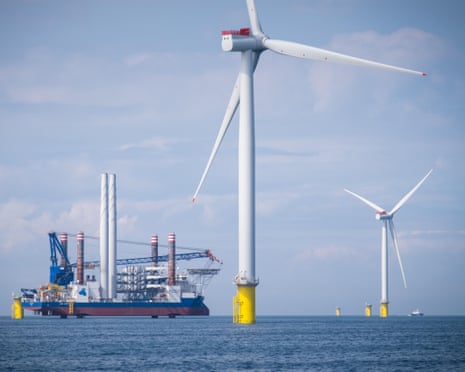
The ongoing tensions between Iran and the United States, which have escalated into open military conflict, have introduced a new level of uncertainty and risk into global supply chains. With the crucial Strait of Hormuz potentially blocked, the shipment of components from the UAE and other Persian Gulf nations could face significant disruption.
This threat comes at a critical time for the European offshore wind industry, which has been rapidly expanding in recent years. Major projects in the pipeline, such as the UK's Dogger Bank and Germany's Borkum Riffgrund 3, rely on a steady flow of large turbine parts from international suppliers. Any delays in the delivery of these components could push back the timeline for these projects, hampering efforts to meet ambitious renewable energy targets.
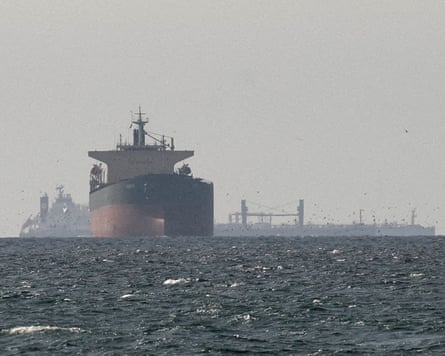
Industry experts are closely monitoring the situation and exploring contingency plans to mitigate the potential impact of the Iran conflict on their operations. This may include identifying alternative shipping routes or searching for domestic suppliers to reduce reliance on the Gulf region. However, the scale and complexity of these large offshore wind projects make them inherently vulnerable to global supply chain disruptions.
As the tension in the Middle East continues to escalate, the European offshore wind industry faces an uncertain future. The threat of delayed project timelines and increased costs could undermine efforts to rapidly expand renewable energy capacity and meet crucial climate change targets. Industry leaders will need to navigate these choppy waters carefully to ensure the continued growth and success of this vital sector.


