
Iran Considers US Proposal to End Conflict

Iran reportedly weighs White House's 14-point memorandum of understanding as diplomatic efforts intensify to resolve ongoing tensions between nations.
In a significant development in international diplomacy, Iranian officials are actively considering a comprehensive proposal from the United States aimed at resolving the prolonged tensions between the two nations. The Iran-US peace proposal centers on a detailed 14-point memorandum of understanding that the White House believes could serve as a foundation for de-escalation and normalized relations.
According to informed sources within diplomatic circles, the US proposal to end conflict represents one of the most substantive negotiation attempts in recent years. The White House has expressed cautious optimism about the potential for breakthrough discussions, suggesting that momentum is building toward a possible resolution of decades-long animosity. This development comes after months of indirect communications between Tehran and Washington through intermediaries.
The 14-point memorandum reportedly addresses multiple critical areas of contention between the two countries, including sanctions relief, nuclear program parameters, regional security concerns, and economic cooperation frameworks. Each point has been carefully drafted to balance the interests and security concerns of both nations, reflecting months of preliminary negotiations and back-channel discussions.
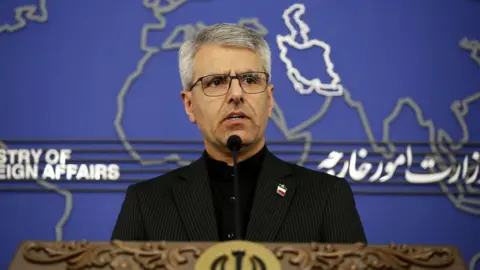
Iranian government officials have indicated their willingness to engage seriously with the proposal, though they have emphasized the importance of guarantees regarding implementation and enforcement. The Iranian delegation has reportedly requested clarifications on several points to ensure that any agreement would be durable and mutually beneficial. These discussions underscore the complexity of negotiations between nations with a contentious history and competing regional interests.
The diplomatic efforts between Iran and the United States have historically been fraught with challenges, including mutual distrust and conflicting strategic objectives. However, the current initiative suggests a potential shift in both governments' willingness to pursue dialogue over confrontation. The timing of this proposal is notable, coming at a period when regional tensions have reached critical levels and international stakeholders have increasingly urged both parties to seek peaceful resolutions.
The White House's confidence in the 14-point memorandum stems from extensive consultations with regional allies, international partners, and expert advisors on Middle Eastern affairs. The proposal has reportedly incorporated feedback from various stakeholder groups and has been refined through multiple rounds of internal review to maximize its viability and appeal to Iranian leadership.
One of the key elements of the Iran peace talks involves addressing the concerns of regional allies who have been affected by Iran's foreign policy and regional activities. The memorandum reportedly includes provisions designed to address the security concerns of countries in the Persian Gulf and Middle East, ensuring that any agreement would contribute to broader regional stability rather than creating new imbalances of power.
The process of bringing both parties to the negotiating table has involved considerable diplomatic groundwork. Unofficial channels have been utilized to convey messages, explore possibilities, and build confidence between the two sides. These preliminary discussions have apparently convinced both Washington and Tehran that meaningful dialogue is possible and that areas of compromise can be identified.
Iranian officials have stated that any agreement must respect their nation's sovereignty and protect their legitimate security interests. The Iranian government has emphasized that it will not accept terms that amount to capitulation or that would compromise national dignity. These statements reflect deep-seated concerns within Iranian leadership about the domestic political implications of any agreement with the United States.
The memorandum of understanding between Iran and US would, if successfully negotiated, represent a historic shift in international relations within the Middle East. Such an agreement could potentially open new avenues for cooperation on issues ranging from counterterrorism to environmental protection and scientific research. The broader implications for regional stability and global security architecture could be substantial.
International observers and analysts have noted that the success of these negotiations will depend significantly on both governments' ability to manage domestic political pressures and opposition from hardliners on both sides. In the United States, certain political constituencies have expressed concerns about any agreement that might ease sanctions on Iran. Similarly, in Iran, conservative factions have historically opposed rapprochement with Washington, viewing it as a threat to revolutionary principles.
The role of international mediators and facilitators has reportedly been crucial in moving these discussions forward. Several countries have positioned themselves as neutral intermediaries, helping to convey proposals and counter-proposals between Tehran and Washington. These mediators bring expertise in cross-cultural communication and understanding of the internal constraints facing each side.
Economic considerations factor prominently into the current negotiations. The Iranian economy has suffered significantly under international sanctions, and relief from these restrictions would provide substantial benefits to the Iranian people. Conversely, the United States and its allies have economic interests in ensuring that any agreement includes verification mechanisms and safeguards against sanctions evasion.
The nuclear dimension of the Iran-US agreement negotiations remains particularly sensitive, as it touches on fundamental security concerns for multiple nations. Any settlement must address international concerns about Iran's nuclear program while respecting Iran's right to peaceful nuclear energy. This balance has proven difficult to achieve in previous negotiations, making the current proposal's approach to this issue particularly noteworthy.
Looking ahead, observers expect that formal negotiations could begin relatively soon if Iranian officials signal formal acceptance of the proposal's framework. The timing of public announcements and the pace of diplomatic engagement will likely be calibrated carefully by both sides to manage domestic political reactions. The coming weeks will be critical in determining whether this initiative can overcome the historical obstacles that have impeded US-Iran relations for decades.
The potential success of these negotiations would have ripple effects throughout the Middle East and beyond, influencing regional power dynamics and potentially opening new chapters in international cooperation. Both governments appear to recognize that the status quo is unsustainable and that creative diplomacy, though challenging, offers a preferable path forward compared to continued confrontation and escalation.
Source: BBC News


