
Iran Disputes US Military Actions at Strait of Hormuz

Iran accuses US of ceasefire violations targeting civilian ships and areas. US military defends strikes as retaliation for unprovoked hostilities.
Tensions have escalated dramatically in the Persian Gulf region as Iran accuses the United States of breaching an established ceasefire agreement through military operations targeting commercial vessels and populated civilian areas near the strategically vital Strait of Hormuz. The Iranian government has formally lodged complaints regarding what it characterizes as unprovoked American military strikes, fundamentally challenging the legitimacy of recent US defensive operations in the contested waterway.
The US military's perspective on these incidents differs substantially from Iran's account. American defense officials have justified their recent military actions as a direct and proportionate response to a series of attacks directed against United States forces stationed throughout the region. Pentagon spokespersons have emphasized that the targeting operations were conducted against specific military infrastructure and command centers that they claim were actively orchestrating and coordinating hostile activities against American personnel and assets.
According to the US Department of Defense, the targeted military sites were identified as being responsible for launching numerous attacks on American forces operating in the area. The military has characterized the Iranian hostilities as fundamentally unprovoked, arguing that the United States military presence in the Gulf is conducted entirely within international law and in support of freedom of navigation principles that guarantee safe passage for commercial shipping through one of the world's most critical maritime corridors.
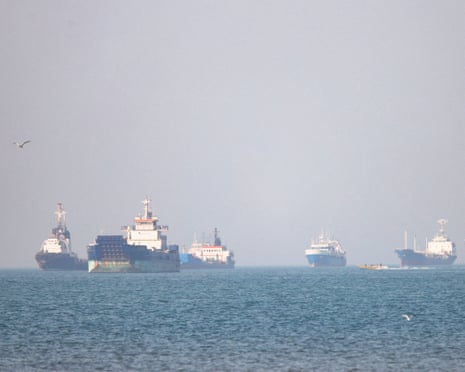
The Strait of Hormuz remains one of the world's most strategically important waterways, serving as the primary passage for approximately one-third of all global maritime petroleum trade. The recent incidents involving merchant vessels represent a significant escalation of concerns regarding maritime security and freedom of navigation in this critical choke point separating Iranian and Omani territorial waters. Any disruption to shipping in this region carries profound implications for global energy markets and international commerce.
Iran's accusation that the US has targeted civilian infrastructure represents a serious allegation within the framework of international humanitarian law and the laws of armed conflict. The Iranian government has specifically identified civilian residential areas as being subjected to American military strikes, claiming that such actions constitute violations of established ceasefire agreements and potentially constitute war crimes under international law. These accusations introduce significant diplomatic complications to an already fragile regional security situation.
The ceasefire agreement referenced by Iran appears to have been negotiated through diplomatic channels, though the exact terms and conditions of this agreement remain subject to differing interpretations between the two nations. While the United States military maintains that its actions constitute legitimate self-defense responses to Iranian aggression, Iran contends that even defensive military operations should have been conducted in strict compliance with established ceasefire protocols that ostensibly protect civilian populations and commercial infrastructure.
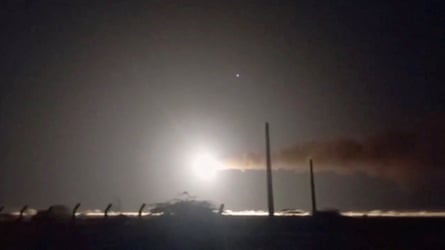
The two merchant vessels that Iran claims were targeted in the recent operations represent significant concerns for the international shipping industry and maritime insurance companies operating in the region. Attacks on commercial shipping have profound economic implications that extend far beyond the immediate incident, affecting global supply chains, energy prices, and the willingness of shipping companies to route vessels through the Strait of Hormuz. The vulnerability of civilian merchant vessels to military conflict has become an increasingly urgent international concern.
Washington's position on these military operations emphasizes that the strikes were executed with precision targeting methodologies designed to minimize collateral damage and civilian casualties. American military officials argue that the identified targets had been actively engaged in planning and executing attacks against US forces, thereby establishing clear justification for the retaliatory operations. The Pentagon has indicated that extensive intelligence gathering preceded the military strikes to ensure that the targeted facilities were indeed legitimate military objectives.
Regional observers and international analysts have expressed growing concern about the trajectory of US-Iran relations and the potential for further escalation in the Persian Gulf region. The conflicting narratives presented by Washington and Tehran regarding the nature and justification of recent military operations underscore the profound mistrust that characterizes the bilateral relationship. International mediators have begun calling for renewed diplomatic engagement to prevent further military confrontations that could destabilize the entire region.
The international community's response to these accusations and counteraccusations has been measured but concerned. Various nations with significant economic interests in Persian Gulf commerce have appealed for restraint and renewed commitment to the ceasefire agreement. European and Asian nations that depend heavily on Gulf energy resources and shipping routes have indicated their willingness to engage in diplomatic mediation efforts to prevent further military escalation.
Historical context reveals a pattern of military tensions between the United States and Iran extending back several decades, with the Strait of Hormuz emerging as a recurring flashpoint for confrontation. Previous incidents involving attacks on shipping, drone strikes, and naval confrontations have demonstrated the volatile nature of this strategic region. The current accusations of ceasefire violations must be understood within this broader context of persistent regional tensions and competing strategic interests.
Legal experts specializing in international humanitarian law have begun analyzing the implications of these accusations for future military operations in the region. The distinction between legitimate military targeting of defense infrastructure and illegitimate attacks on civilian areas remains central to determining whether either party has violated international law. The involvement of commercial shipping adds additional complexity, as merchant vessels may be subject to different legal protections than purely civilian infrastructure.
Moving forward, the resolution of these competing accusations will depend significantly on the capacity of both nations to engage in meaningful dialogue regarding the ceasefire terms and conditions. Independent verification of the targeted sites and assessment of civilian impact will be essential for determining the legitimacy of each party's claims. International observers and neutral parties may need to be involved in investigating the specific incidents to establish factual accuracy regarding what was targeted and whether civilians were indeed harmed in the operations.
The broader implications of this dispute extend to questions about the stability of international agreements and the reliability of ceasefire arrangements in regions characterized by deep historical antagonisms. The ability of both parties to honor and interpret ceasefire agreements consistently will determine whether such arrangements can serve as effective tools for reducing military tensions. Ultimately, the resolution of these specific accusations may establish important precedents for future conflict management in the Persian Gulf and broader Middle East region.
Source: The Guardian


