
Iran Disrupts Strait of Hormuz: Tanker Attacks and Plummeting Maritime Traffic

Iran has effectively halted oil and gas exports through the strategic Strait of Hormuz, with drone strikes on tankers and a dramatic 80% drop in commercial maritime traffic, raising global energy security concerns.
Iran has effectively closed the Strait of Hormuz to oil and gas exports for the past four days, employing a combination of drone strikes and fear tactics that have brought commercial maritime traffic to a near-standstill. At least four tankers have been struck, and Lloyd's List Intelligence reported that seaborne traffic had dropped by 80% on Sunday, with little sign of a return as key maritime insurers canceled cover the next day.
The Strait of Hormuz is a critical global chokepoint, responsible for the passage of around 20% of the world's oil supply. Iran's actions have sent shockwaves through the international energy markets, raising concerns about the security of one of the most strategically important waterways.
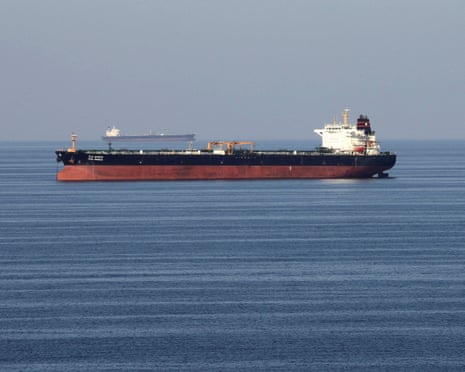
According to reports, Iran has used a mix of drone strikes and the threat of further attacks to effectively shut down maritime traffic through the strait. The strikes have targeted tankers, causing damage and disrupting the flow of oil and gas exports from the region.
The dramatic drop in commercial traffic has significant implications for global energy supply and prices. The Strait of Hormuz is a vital chokepoint, with the majority of the Middle East's oil and gas exports passing through its narrow waters. The disruption of this critical trade route could have far-reaching consequences, potentially leading to supply shortages and price spikes in energy markets worldwide.
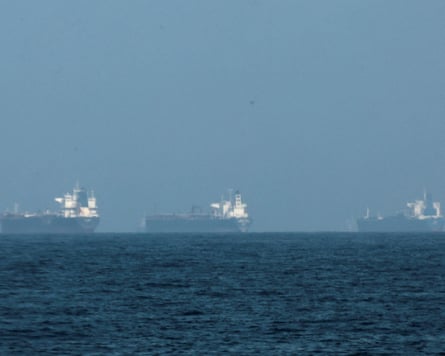
The escalating tensions in the Strait of Hormuz come at a time of heightened geopolitical uncertainty in the region. Iran has been engaged in a longstanding dispute with the United States and its allies, and the latest developments have the potential to further inflame the situation.
Analysts warn that the situation could quickly deteriorate, potentially leading to an open conflict that could have devastating consequences for global energy security and the broader global economy. The international community is closely monitoring the situation and exploring diplomatic and economic measures to de-escalate the crisis and restore the free flow of maritime traffic through the Strait of Hormuz.
As the world grapples with the implications of Iran's actions, the stakes could not be higher. The stability and security of the Strait of Hormuz are critical to the global economy, and any prolonged disruption could have far-reaching consequences that reverberate across international markets and geopolitical landscapes.


